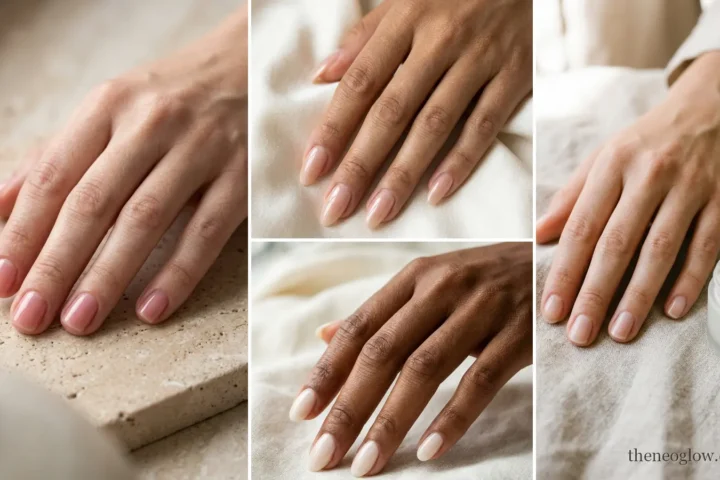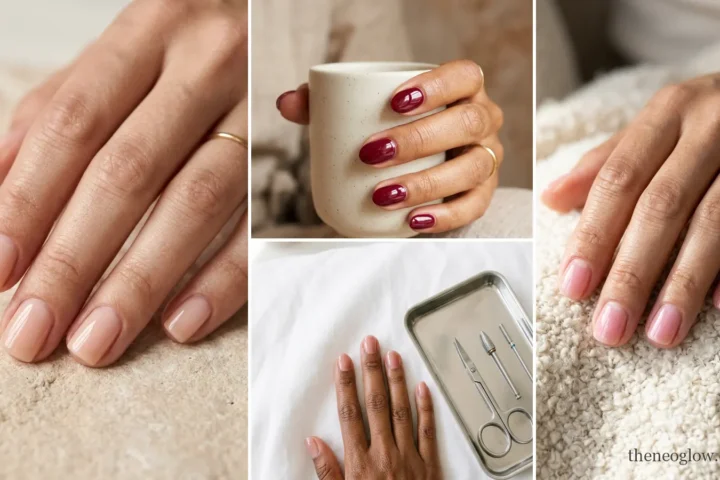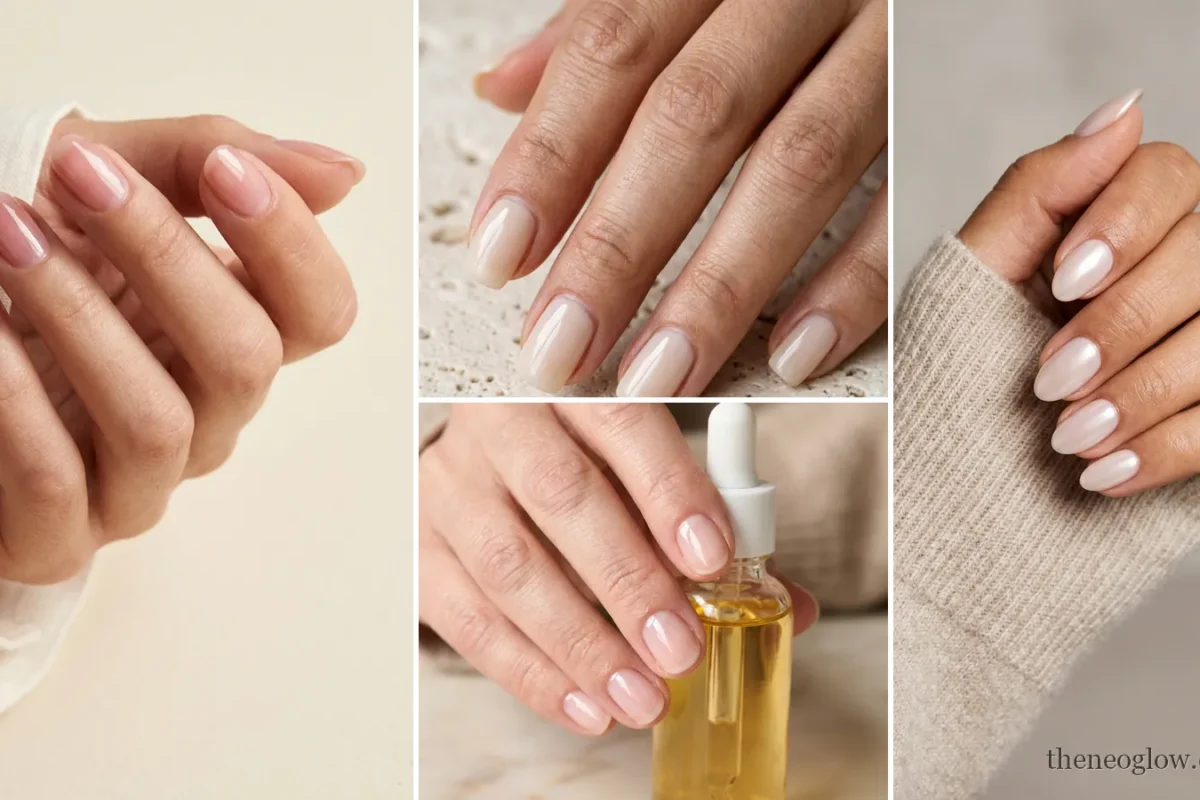
Ever left the salon with a fresh set of glossy short gel nails only to wake up the next morning with maddeningly itchy cuticles, puffy fingertips, or tiny pinpoint bumps along your nail folds? You’re not imagining it—and no, it’s probably not just dry winter air.
Across the U.S., dermatologists and veteran nail techs are seeing a major surge in gel nail allergy symptoms triggered by uncured acrylate ingredients like HEMA, especially as at-home UV kits and rushed salon fills have become mainstream. Once your skin becomes sensitized to gel polish, pushing through “just one more set” almost always makes the next flare-up sharper and harder to calm down.
The reassuring part? Developing a gel sensitivity does not mean resigning yourself to bare, chipped nails forever. Below, our nail editorial desk breaks down the 7 earliest warning signs to spot, what actually triggers acrylate allergies, the unfiltered truth about HEMA-free formulas, and four chic zero-UV swaps—including air-dry “soap nails,” reusable press-on nails, and clean at-home manicure routines curated right alongside our Nail Art Ideas Hub.
The Nail Desk Quick Answer: The most common early gel nail allergy symptoms are intense itching around the cuticles, tiny fluid-filled blisters on the fingertips, red swollen nail folds, peeling skin, lifting nails (onycholysis), and—surprisingly—itchy or flaky rashes on your eyelids and neck. Reactions usually appear 24 to 72 hours after a manicure. Remove the gel gently with acetone, avoid DIY skin patch tests, and consult a board-certified dermatologist for formal acrylate patch testing.
7 Early Gel Nail Allergy Symptoms You Shouldn’t Ignore
A true gel polish allergy is a delayed immune reaction called allergic contact dermatitis. Because symptoms typically take 24 to 72 hours to show up after your appointment, it’s easy to blame new hand soap, sanitizer, or cold weather during the first mild flare-up.
- 1. Deep, Persistent Cuticle Itching: That prickly, relentless itch right along the skin framing your nail plate is almost always the very first red flag.
- 2. Tiny Fluid-Filled Fingertip Blisters: Clusters of microscopic itchy bumps (dyshidrotic blisters) along the sides of your fingers or under the free edge strongly signal acrylate sensitivity.
- 3. Red, Swollen, or Throbbing Nail Folds: Skin around the base of the nail looks glossy, tight, puffy, or tender—noticeably more inflamed than a minor salon file nick.
- 4. Peeling, Papery Skin Around the Nails: Days after the itching fades, fingertips frequently turn dry, cracked, and flaky as the damaged skin barrier sheds and rebuilds.
- 5. Nail Plate Lifting (Onycholysis): When the nail begins separating from the pink nail bed underneath—creating a pale white or yellowish gap—remove the gel safely and pause enhancements immediately.
- 6. Mystery Eyelid, Face, or Neck Rashes: One of the sneakiest clues dermatologists see. Because we touch our faces dozens of times a day, microscopic uncured gel residue transfers from fingertips to delicate eyelid and neck skin, triggering flaky patches far from your hands.
- 7. Faster, Stronger Flares With Every Fill: If your cuticles mildly itched last month and swelled painfully this month, your immune response is escalating—a clear sign to step away from UV gel.
Editorial note: This beauty desk guide is for educational purposes and isn’t medical advice. If your fingertips are blistering, weeping, or intensely painful, see a board-certified dermatologist promptly before applying any nail products.
What Actually Causes a Gel Nail Allergy? (HEMA & Under-Curing)
How can you wear gel manicures happily for three years and suddenly react overnight? The culprit is tiny liquid chemical building blocks called acrylates and methacrylates—most famously HEMA (2-hydroxyethyl methacrylate).
In liquid form inside the bottle, acrylate monomers are small enough to slip straight through skin around your cuticles. Under the proper UV or LED wavelength, those molecules lock into a solid, inert polymer. Sensitization happens whenever uncured liquid repeatedly contacts living skin—usually from flooded cuticles, thick layers that stay under-cured beneath the surface, or a cheap generic lamp whose wavelength doesn’t match your polish brand.
Clinical guidance from DermNet’s acrylate allergy reference confirms that once sensitized, reactions can cross over across soft gel polish, builder gel (BIAB), Gel-X adhesive, acrylic liquid, and dip resin. The American Academy of Dermatology (AAD) also cautions that aggressive cuticle cutting and picking off gel polish weaken the natural barrier that protects your nail matrix.
Are HEMA-Free Gel Polishes Actually Safe? (The Honest Truth)
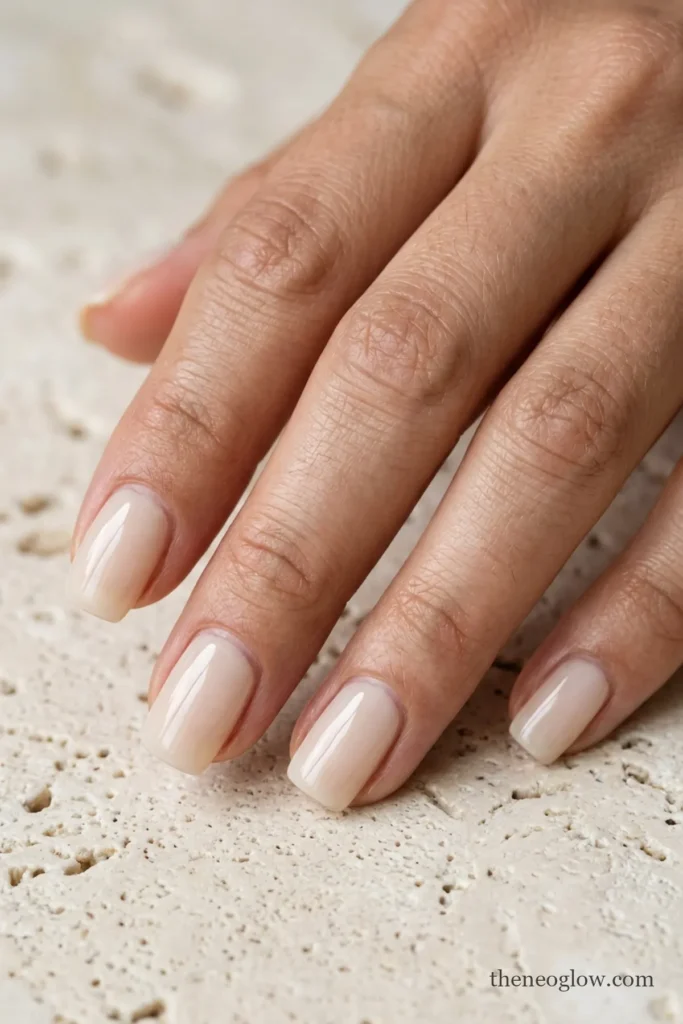
Scroll beauty TikTok for five minutes and “HEMA-free” and “TPO-free” gel polishes look like a cure-all. They are genuinely a smarter formulation trend—but there’s a crucial distinction every manicure lover should understand before ordering a new bottle.
If you have NEVER had a gel reaction: Switching to cleaner, professionally engineered HEMA-free formulas—such as Light Elegance P+ (formulated from scratch in the U.S. without small-molecule sensitizers) or Madam Glam (21-free and HEMA-free across their catalog)—meaningfully reduces your long-term risk when combined with spotless no-skin-contact application and a matching lamp. Keep in mind that many ubiquitous salon classics (including traditional legacy DND Duo lines) still contain HEMA, so always verify the current ingredient panel or SDS.
If you ALREADY have a confirmed gel allergy: Don’t assume HEMA-free means reaction-free. Many HEMA-free gels swap in related methacrylates (like Di-HEMA, HPMA, or isobornyl acrylate) that can still cross-react with sensitized skin. And never attempt a DIY “patch test” by dabbing raw uncured gel behind your ear or on your wrist—direct skin exposure to uncured monomers can actively trigger or worsen a lifelong allergy. Only a dermatologist’s diluted medical patch test can safely identify your exact triggers.
Gel vs. HEMA-Free vs. Allergy-Safe Swaps: At a Glance
| Manicure Type | Acrylate / HEMA Risk | UV Lamp? | Typical Wear | Best Match |
|---|---|---|---|---|
| Traditional Gel / BIAB / Gel-X | High if uncured gel touches skin | Yes (UV/LED) | 2–3 weeks | Non-allergic wearers with skilled salon prep |
| HEMA-Free Gel (Light Elegance, Madam Glam) | Lower sensitization risk, but other acrylates remain | Yes (brand-matched) | 2–3 weeks | Preventing new allergies (not guaranteed post-reaction) |
| Dazzle Dry Air-Dry System | Zero HEMA / Zero UV acrylates | No (dries hard in 5 min) | 7–14 days | Gel-allergic wearers wanting chip-resistant gloss |
| Classic Lacquer (OPI, Essie, Olive & June) | Zero UV acrylates | No | 5–7 days | Glossy “soap nails” & effortless weekly shades |
| Press-On Nails (Adhesive Tabs) | Zero liquid monomers or glue* | No | 3–7 days (reusable) | Weddings, holidays & instant nail art with zero damage |
*Press-on note: Standard liquid nail glue relies on cyanoacrylate, which can irritate severely acrylate-sensitive skin. Sticking with high-grip gel-free adhesive tabs eliminates liquid acrylates completely.
4 Chic Allergy-Safe Manicure Alternatives (Zero UV Required)
Stepping away from UV gel doesn’t mean sacrificing glossy, put-together hands. These four editor-approved swaps look straight out of a luxury salon while keeping uncured acrylates away from your skin.
1. Dazzle Dry (The Closest Non-Gel Salon Swap)
If what you miss most about gel is walking out with smudge-proof, mirror-hard shine, Dazzle Dry is the gold standard. It’s a vegan, hypoallergenic four-step air-dry system that cures rock-hard in five minutes without a UV lamp, contains zero HEMA or reactive monomers, and removes in seconds with regular polish remover. Most wearers get a clean 7 to 14 days of chip-resistant gloss.
2. High-Gloss Air-Dry “Soap Nails”
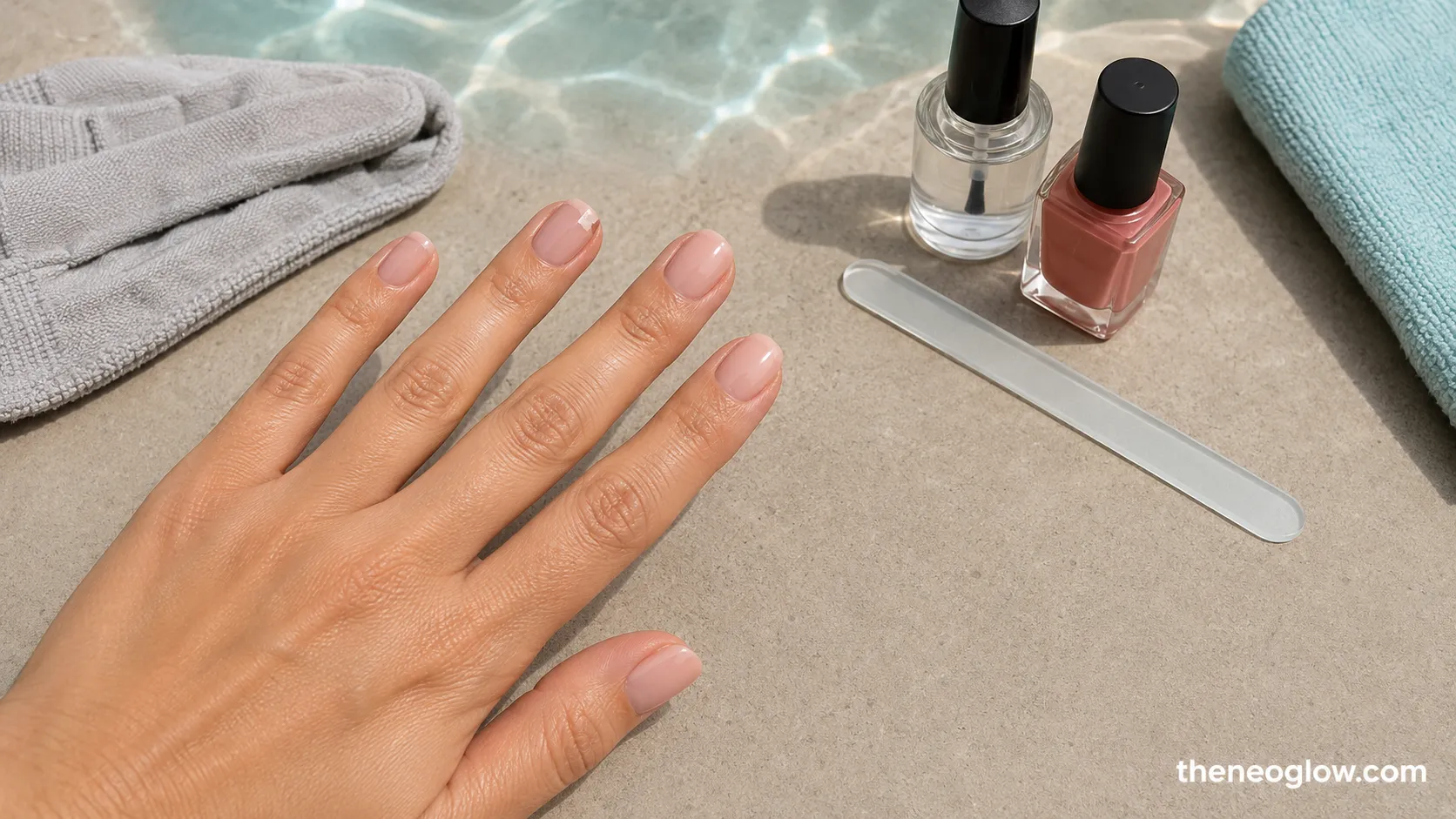
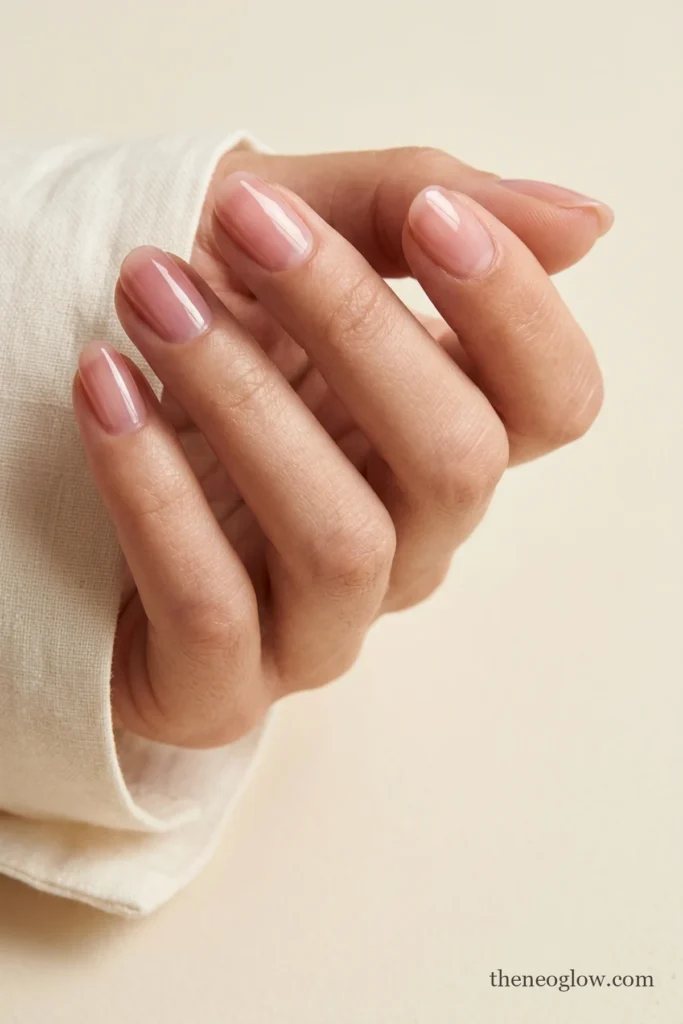
Ultra-clean, translucent rosy-pink “soap nails” are one of the biggest manicure movements right now—and classic air-dry polish actually nails that delicate sheer glow better than thick gel. Layer two thin coats of OPI Bubble Bath, Essie Ballet Slippers, or Dior Nail Glow under a plump quick-dry top coat, and pair it with our long-wear manicure tips so your lacquer stays glassy all week.
3. 14-Day Natural Nail & Cuticle Recovery Ritual
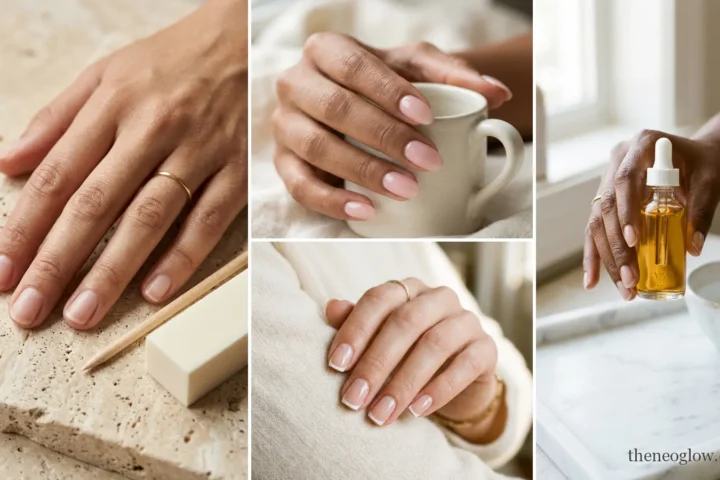
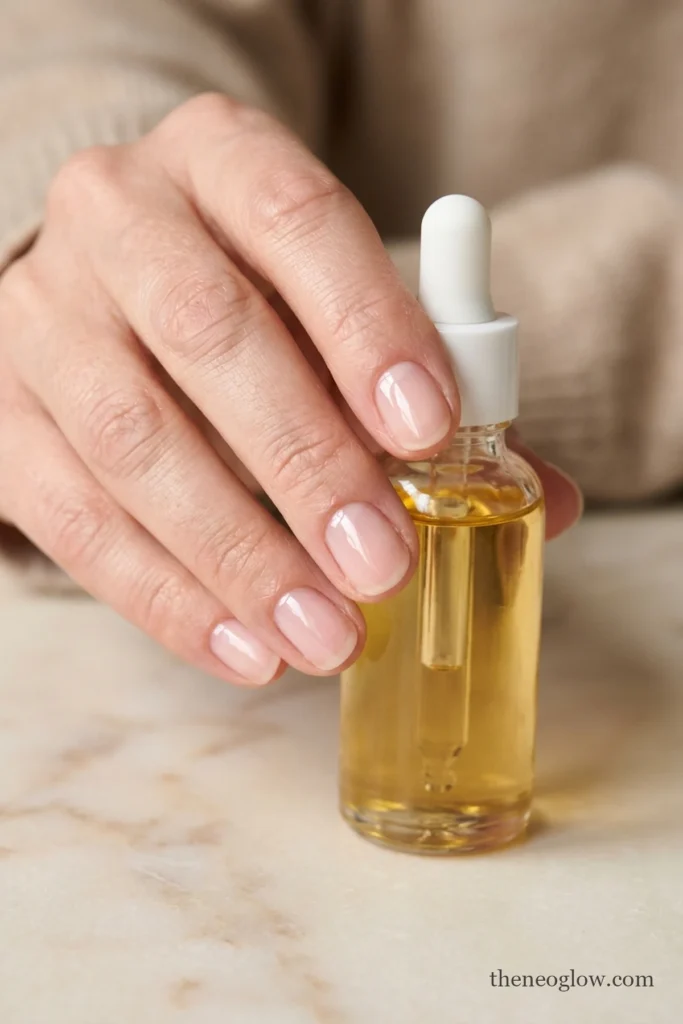
After any allergic flare-up, treat your hands with the same care as your face. Trim nails neat and file them into a low-snag profile using our best nail shape for short nails guide, press fragrance-free jojoba oil into your cuticles morning and night, and pair a breathable strengthener with gentle clean beauty essentials until the nail plate feels resilient again.
4. Luxury Press-On Nails With Gentle Adhesive Tabs
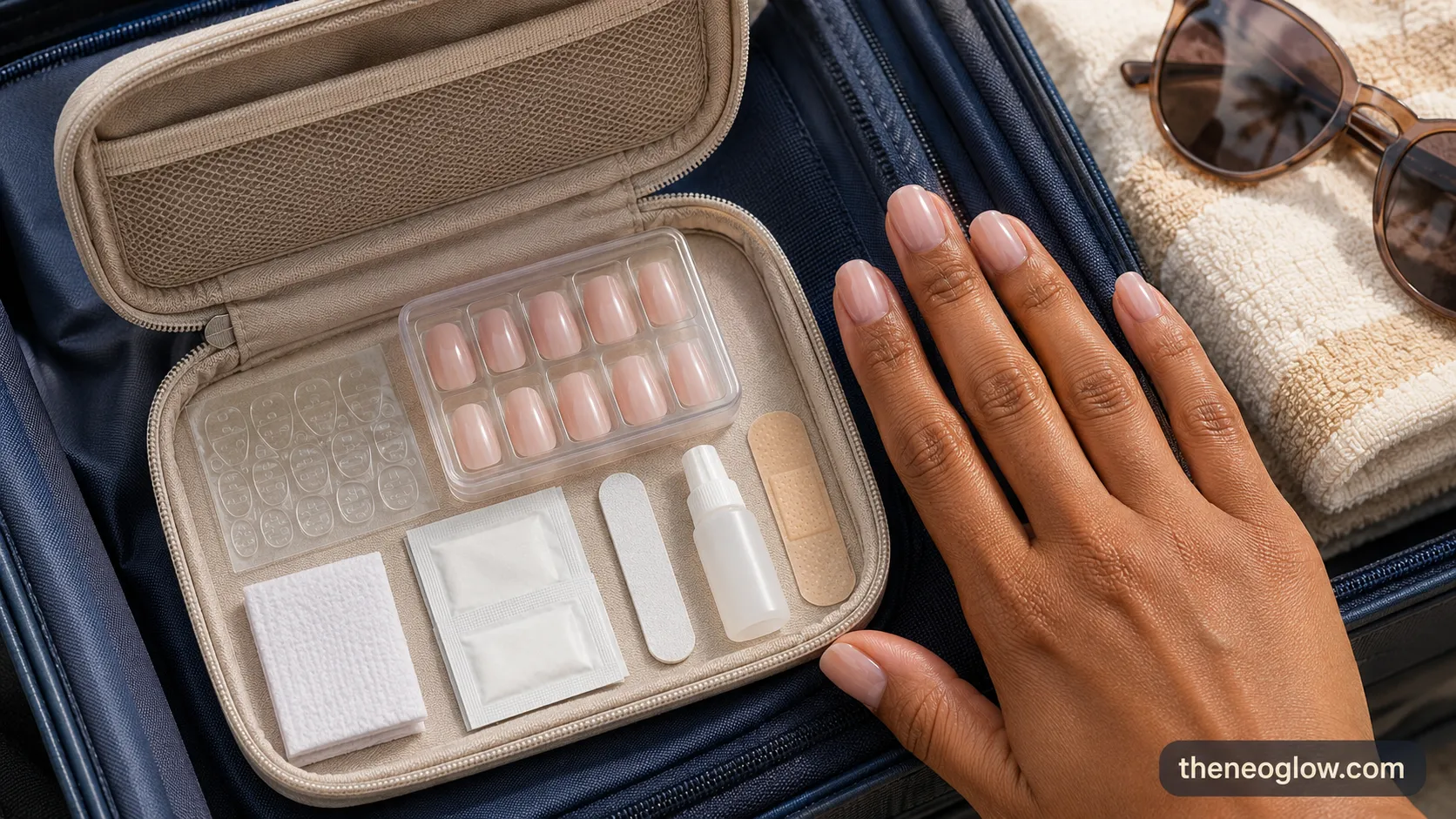
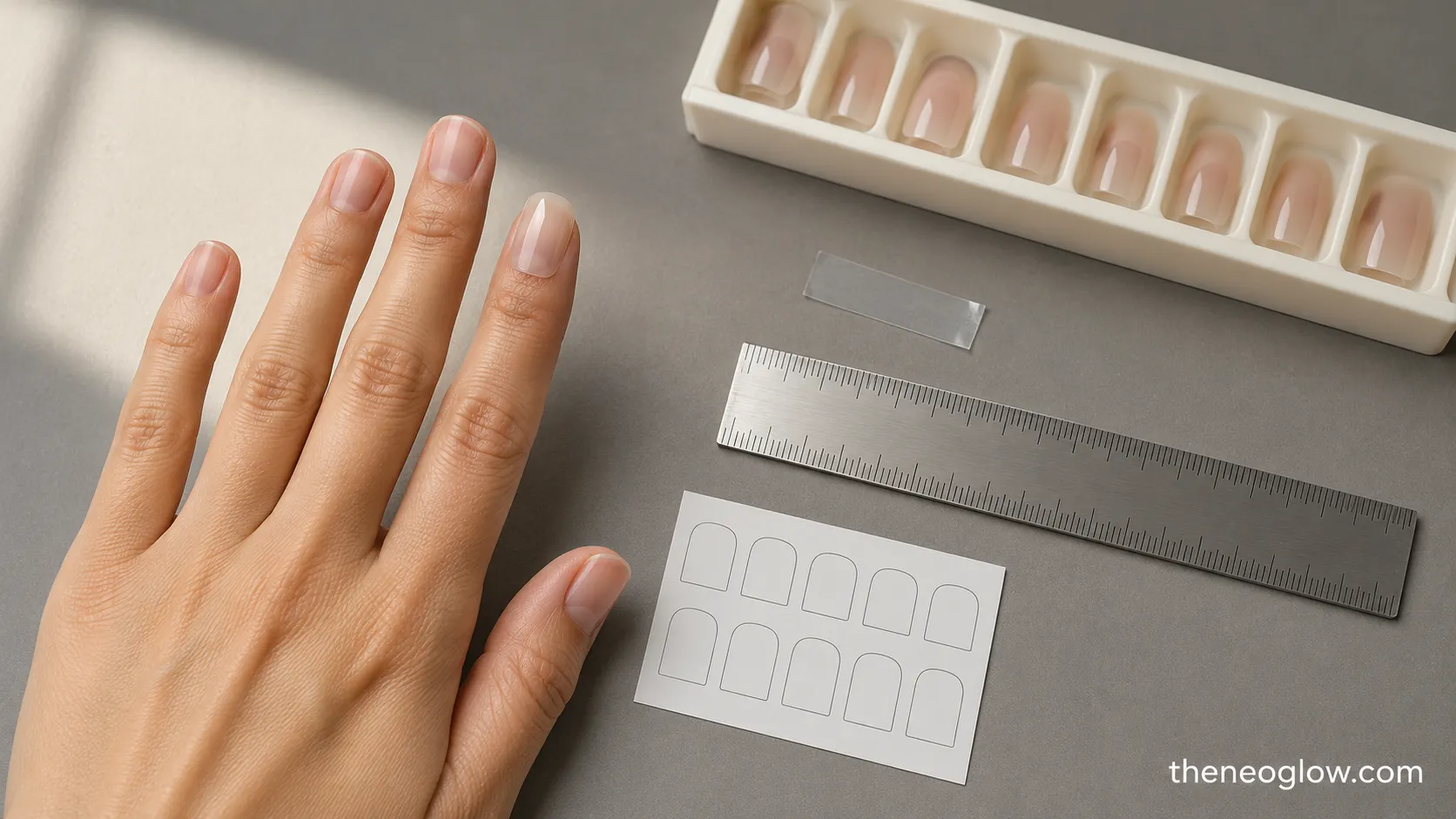
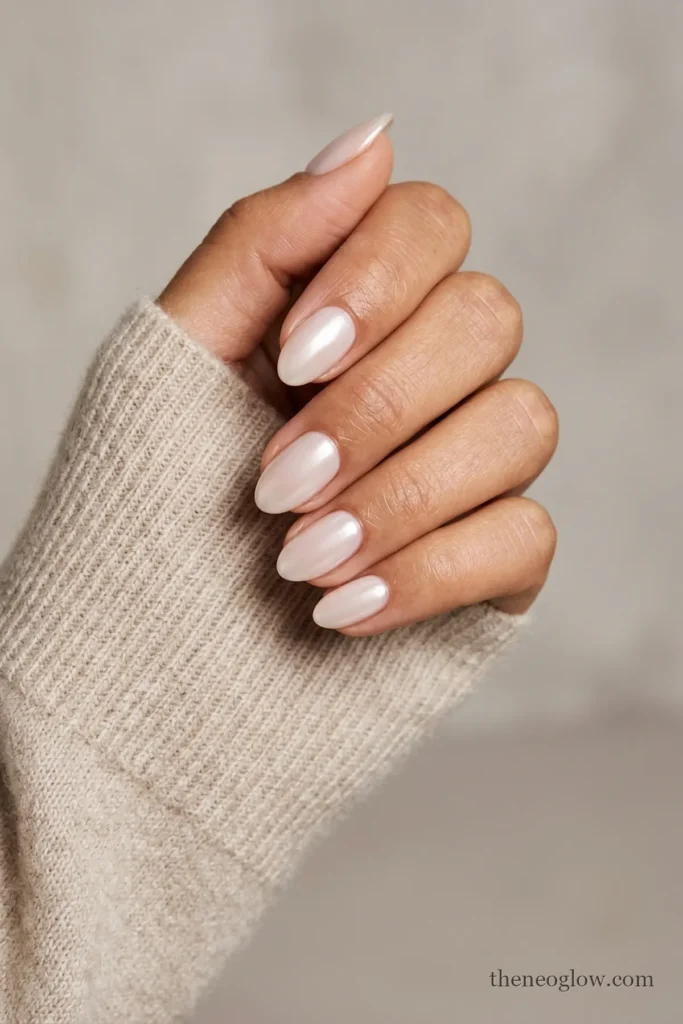
Have a wedding, holiday party, or weekend trip coming up and still want pearl chrome or French tips? Salon-grade press-ons from Glamnetic, Olive & June, or custom nail artists deliver instant length and uniform shine with zero UV exposure. Lock in a seamless natural fit using our press-on nail sizing guide and opt for snug sticky tabs instead of liquid glue if you’re acrylate-sensitive.
What to Do Right Now If You Suspect a Gel Allergy
- Soak Off Gently—Never Peel: Gently buff away the top shine and soak with pure acetone cotton wraps until the gel loosens cleanly. Picking or scraping tears keratin layers and prolongs skin inflammation.
- Soothe With Plain Ointment & Book a Patch Test: Pause scented hand creams and use plain petrolatum ointment (like Vaseline or CeraVe Healing Ointment) around tender cuticles. Ask a board-certified dermatologist for an acrylate patch test to confirm which exact compounds you react to.
- Alert Your Dentist & Physicians: Because acrylates are also used in dental fillings, crowns, orthopedic cements, and certain surgical adhesives, noting a confirmed sensitivity on your medical chart protects you far beyond the nail salon.
- If You’ve Never Reacted, Protect Your Barrier Now: Keep gel strictly off skin (wipe any cuticle flood with isopropyl alcohol before curing), paint razor-thin coats, cure fully under your brand’s matching lamp, and follow the AAD’s healthy nail care guidelines between appointments.
Gel Nail Allergy Q&A: Your Top Questions, Answered
Still weighing your next salon appointment? Here are straight, editor-vetted answers to the five questions our readers ask most often.
How long do gel nail allergy symptoms last after removing the polish?
Mild itching and redness typically start calming down within 5 to 10 days once every trace of gel is completely soaked off and the skin barrier heals. If you experienced fingertip blisters, heavy peeling, or nail lifting (onycholysis), skin recovery usually takes 2 to 3 weeks, while lifted nails simply need to grow out cleanly without enhancements.
Why are my eyelids or neck itching after a gel manicure?
Eyelid and neck rashes are one of the classic hallmark signs of an acrylate allergy. Because we touch our faces unconsciously all day, microscopic uncured gel residue easily transfers from your fingertips to thin, reactive facial skin—even when your hands only feel mildly irritated.
If I’m allergic to gel polish, can I safely switch to HEMA-free gel or BIAB?
Not automatically. HEMA-free gels and builder gels (BIAB) are wonderful for lowering sensitization risk before an allergy develops, but many formulas use substitute methacrylates that can still trigger a reaction once you’re sensitized. Get dermatologist patch testing first, or switch to zero-acrylate systems like Dazzle Dry or classic air-dry lacquer.
Can I still wear dip powder or press-on nails if I have a gel allergy?
Skip dip powder—dip liquids and standard nail glues use cyanoacrylate, which belongs to the acrylate family and frequently triggers cross-reactions. Instead, wear reusable press-on nails applied with gel-free sticky adhesive tabs, which contain zero liquid monomers and give you salon-level art safely.
Does a gel nail allergy ever go away—and does it affect dental work?
Dermatologists consider allergic contact dermatitis to acrylates generally lifelong; taking a year off heals the rash, but re-exposing skin to uncured gel usually restarts the reaction. Because related acrylates appear in some dental composites and medical adhesives, always share a confirmed patch-test result with your dentist and doctor.
Looking for effortless everyday manicure inspiration you can recreate safely with regular polish or press-ons? Browse our complete Nail Art Ideas Hub—updated weekly for wearable real-life looks.