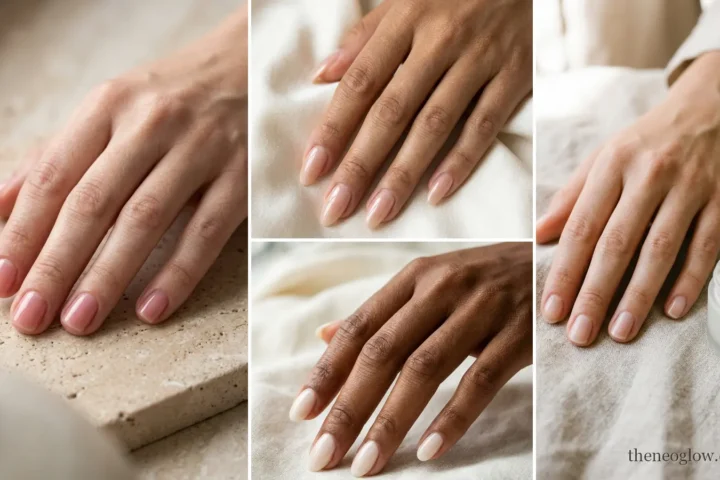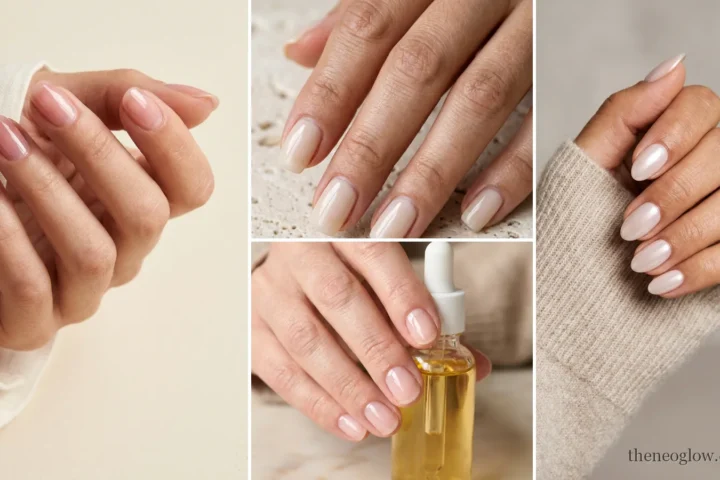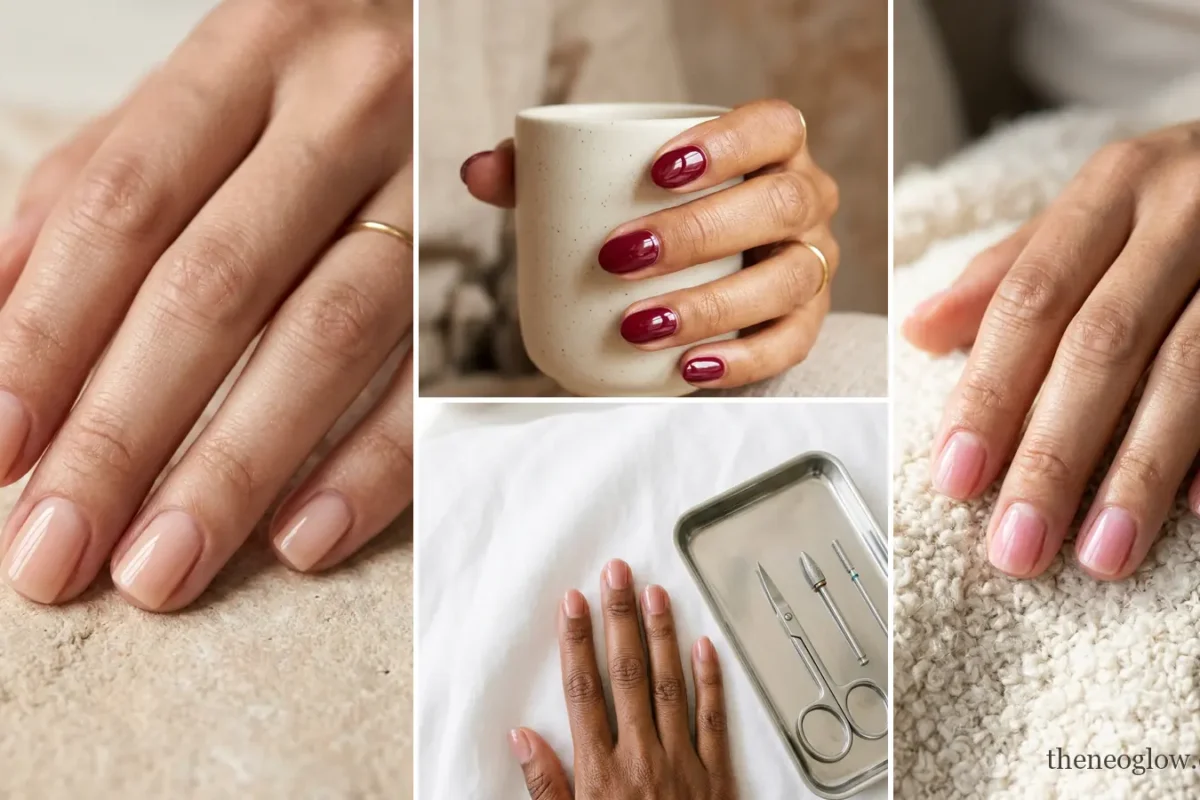
If your Pinterest feed is filled with glassy neutral manicures that look airbrushed straight out of the skin—with zero hangnails, zero ridge lines, and polish tucked so tightly to the base you cannot spot regrowth for two full weeks—chances are you are looking at a Russian manicure.
Understanding what is a russian manicure (also booked in US salons as an e-file dry manicure or structured dry manicure) matters more than with almost any other nail trend. Done by a rigorously trained, autoclave-sterilizing specialist, it produces the cleanest four-week manicure in beauty. Done hastily by an untrained tech, it can damage your protective cuticle barrier.
Here is the honest, Allure-grade breakdown of how the technique actually works, what it really costs across US cities, dermatologist-backed hygiene red flags to inspect before sitting down, and how to get a similar crisp look safely.
What Is a Russian Manicure, Exactly? (How Dry E-File Prep Works)
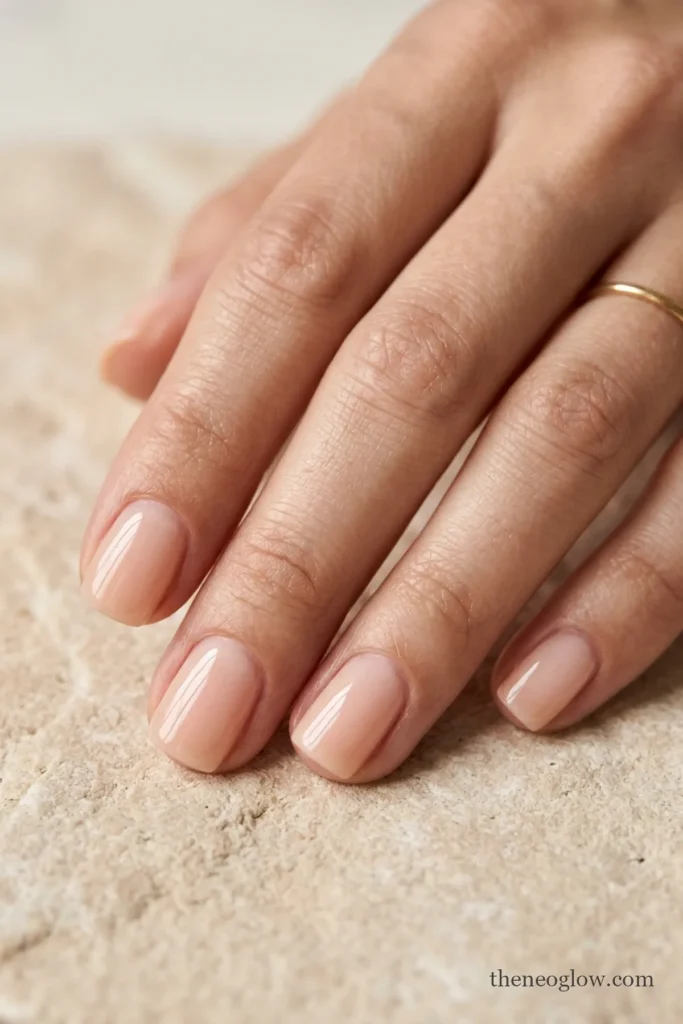
Unlike a traditional American salon manicure where you soak your fingers in warm soapy water before quick cuticle clipping, a Russian manicure is performed 100% dry. Skipping the water soak prevents your natural nail keratin from absorbing moisture and swelling—which immediately boosts gel adhesion and stops early peeling.
Instead of nippers alone, a certified technician uses an electric nail file fitted with ultra-fine, featherlight diamond flame, ball, and micro-cone bits at low RPM to gently lift, exfoliate, and buff away dead skin stuck to the nail plate and along the proximal nail fold—often followed by razor-precise curved Russian cuticle scissors to trim lifted dead tissue cleanly.
Once the skin perimeter is microscopically smooth, the tech paints a thin self-leveling structured builder gel (such as Kokoist, Luminary, or The GelBottle BIAB) and uses a fine detail liner brush to tuck color gel cleanly underneath the tiny lifted skin pocket. The result: polish looks like it is growing directly from your finger, delaying visible regrowth by 7 to 10 extra days.
Step-by-Step: What Actually Happens During a 90-Minute Appointment
- Dry Old-Gel Removal (15 mins): Instead of soaking fingers in acetone, the technician gently e-files away old color while preserving a whisper-thin protective base layer over your natural keratin.
- Precision Nail Shaping (10 mins): Every nail is filed dry with a fresh disposable 180-grit board so all ten lengths and sidewalls match symmetrically.
- Flame & Ball Bit Exfoliation (25–30 mins): Switching between fine red-band diamond flame bits and tiny micro-sphere polishing bits, the tech lifts dead pterygium off the nail plate and buffs rough dry lateral skin glass-smooth.
- Structured Apex Balancing & Under-Cuticle Color (35 mins): Your tech floats self-leveling builder gel—often turning your hand upside down for five seconds so gravity builds a crisp natural light line—before detailing color flush to the skin fold and sealing with high-gloss non-wipe top coat.
Russian Manicure vs. Regular Gel Manicure: Complete Comparison
Wondering if the higher ticket price and two-hour appointment slot actually pay off compared to a standard walk-in gel manicure? Compare every factor side by side.
| Comparison Factor | Russian (Dry E-File) Manicure | Regular US Salon Gel Manicure |
|---|---|---|
| Cuticle Method | 100% dry exfoliation with sterile diamond e-file bits + precision scissors | Warm water soak or cuticle softener + pusher & nippers |
| Polish Base | Usually paired with structured builder gel (BIAB) for smooth apex & strength | Thin standard soak-off base coat + 2 color coats |
| Appointment Duration | 90 to 120 minutes (meticulous, unhurried 1-on-1 prep) | 35 to 50 minutes |
| Wear & Clean Grow-Out | 3 to 4+ weeks (zero-gap tuck delays visible regrowth by ~1 week) | 10 to 14 days (visible gap often shows by day 7) |
| Average US Price | $80–$140+ (plus $15–$40 for nail art) | $38–$65 |
| Best Fit For | Clean-girl neutral lovers, special events, and strong natural nail growth | Quick weekly polish changes, sensitive cuticles, and budget-friendly upkeep |
How Much Does a Russian Manicure Cost in the US?
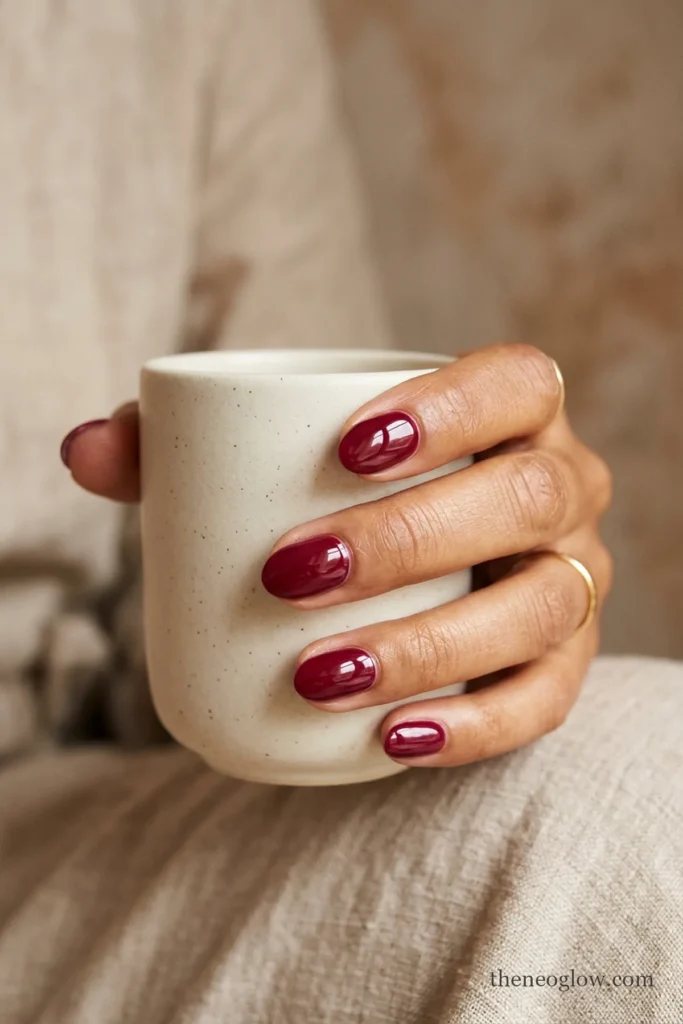
Because true Russian manicure specialists spend 45 minutes on dry cuticle architecture alone—and run hospital-grade autoclave sterilization cycles between every single client—pricing is substantially higher than express strip-mall salons.
- Major Metro Cities (NYC, Los Angeles, Miami, San Francisco, Chicago): Expect $100 to $145 for a solid structured Russian gel manicure, rising to $160+ for French tips, chrome glazing, or custom art.
- Mid-Size US Cities & Suburbs (Austin, Denver, Nashville, Atlanta, Charlotte): Typically $80 to $110 for a full dry structured manicure with an independent studio artist.
- Why the cost-per-week surprises skeptics: While $110 upfront sounds steep, stretching clean, chip-free wear to four full weeks often equals two $55 standard gel appointments—with dramatically sharper short almond nails or glossy red French tip nails the entire month.
Is a Russian Manicure Safe? The Dermatologist & Hygiene Checklist
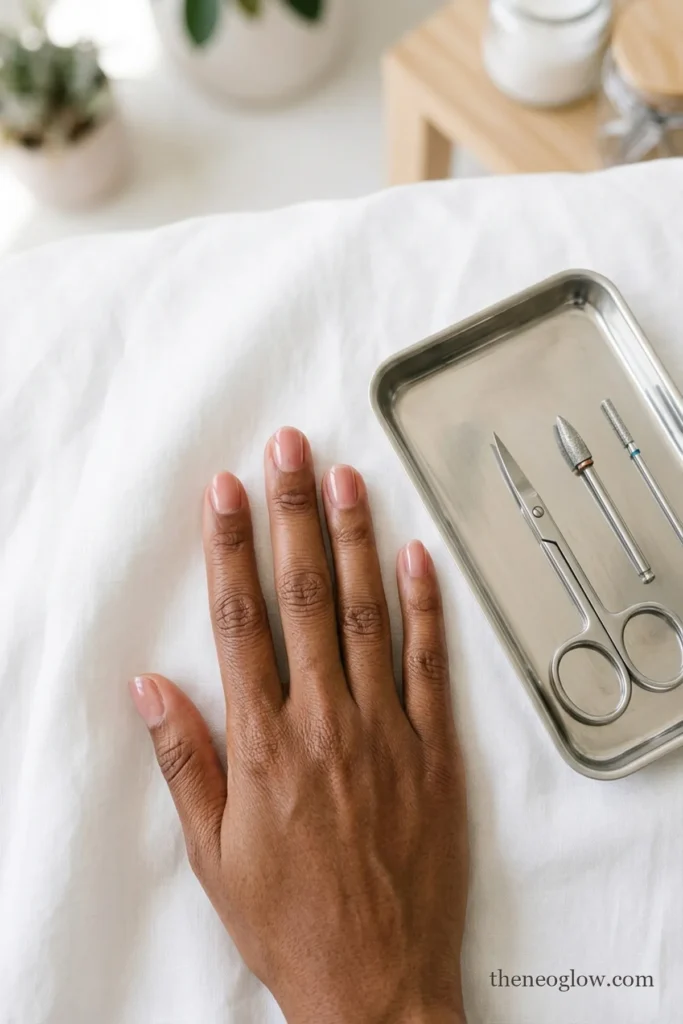
This is the single most important conversation in nail care today. Board-certified dermatologists emphasize that your proximal nail fold (often casually called the cuticle) serves as a living waterproof gasket sealing bacteria, yeast, and fungi out of your nail matrix. In fact, the American Academy of Dermatology explicitly warns against cutting living cuticle skin because micro-breaks raise the risk of painful bacterial or fungal infections (paronychia).
Master Russian technicians distinguish sharply between non-living cuticle keratin (dead white tissue adhering to the plate) and the living eponychium seal. When executed gently, zero blood, zero stinging, and zero heat spikes ever occur. Never stay in a chair if any step feels sharp or burning.
5 Non-Negotiable Salon Hygiene Green Flags to Verify Before Booking
- Sealed Autoclave Pouches Opened in Front of You: Metal scissors and diamond bits MUST come out of a freshly unsealed medical-grade steam autoclave pouch with a color-changed sterilization indicator strip—a blue liquid Barbicide jar alone is not enough for fine diamond e-file bits.
- Single-Use Disposable Files & Buffers: Porous sanding files cannot be autoclaved; your tech should pull a brand-new grit sleeve or disposable file for your hands only.
- Zero Pain, Heat, or Redness: E-file work should feel like gentle tickling vibration, never scorching heat or pinching. Red, raw halos around your nails afterward indicate over-exfoliation.
- Verified State Licensing & Dry-Prep Training: Check local regulations (some US states restrict aggressive skin cutting or require specific cosmetology/nail-tech licensing) and inspect unedited macro close-ups in your tech’s Instagram portfolio.
- HEMA-Free Gel Options & Proper Curing: Pushing gel close to skin raises allergy risk if product touches living tissue. Confirm your tech cleans any stray gel immediately before curing and knows how to avoid gel nail allergy symptoms.
Who Should Skip It — And Gentler Ways to Get That Airbrushed Look
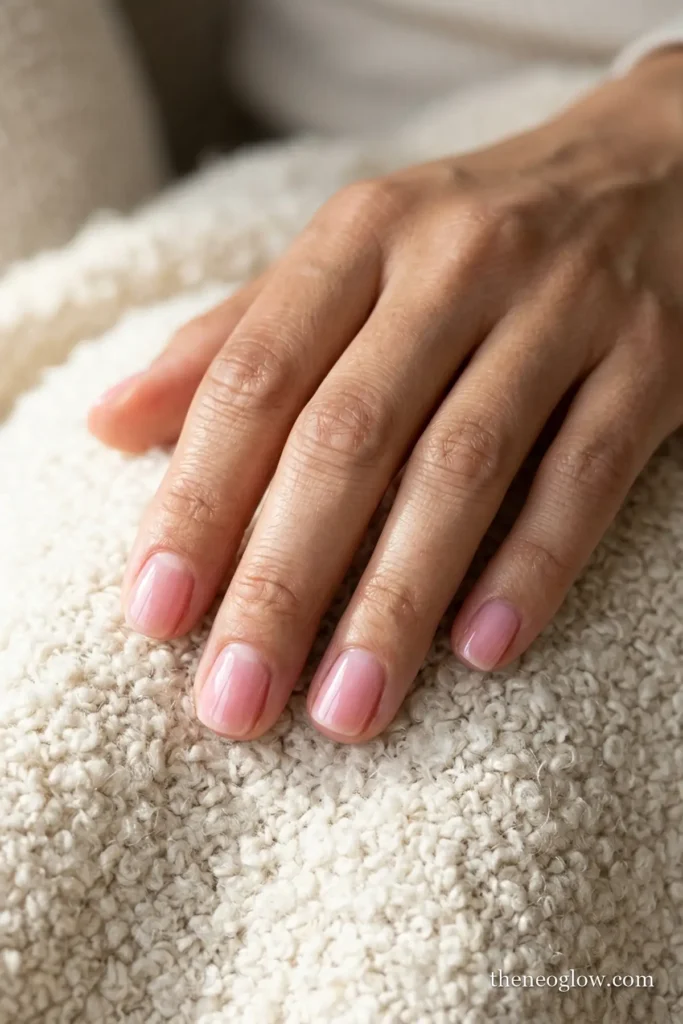
Even at a five-star studio, skip aggressive dry cuticle work if you have diabetes, poor peripheral circulation, active hand eczema, psoriasis around the nails, or a history of recurring paronychia infections. Protecting an intact skin barrier always outranks an extra four days of polish closeness.
Love the clean, luminous aesthetic without letting an electric bit near your skin? You have three effortless alternatives that deliver 90% of the visual polish with zero barrier stress:
- Gentle Dry Push + Structured BIAB Overlay: Ask your tech for a conservative wooden-stick dry push-back paired with a self-leveling sheer neutral overlay. Compare longevity and nail strength in our builder gel vs. Gel-X nails guide.
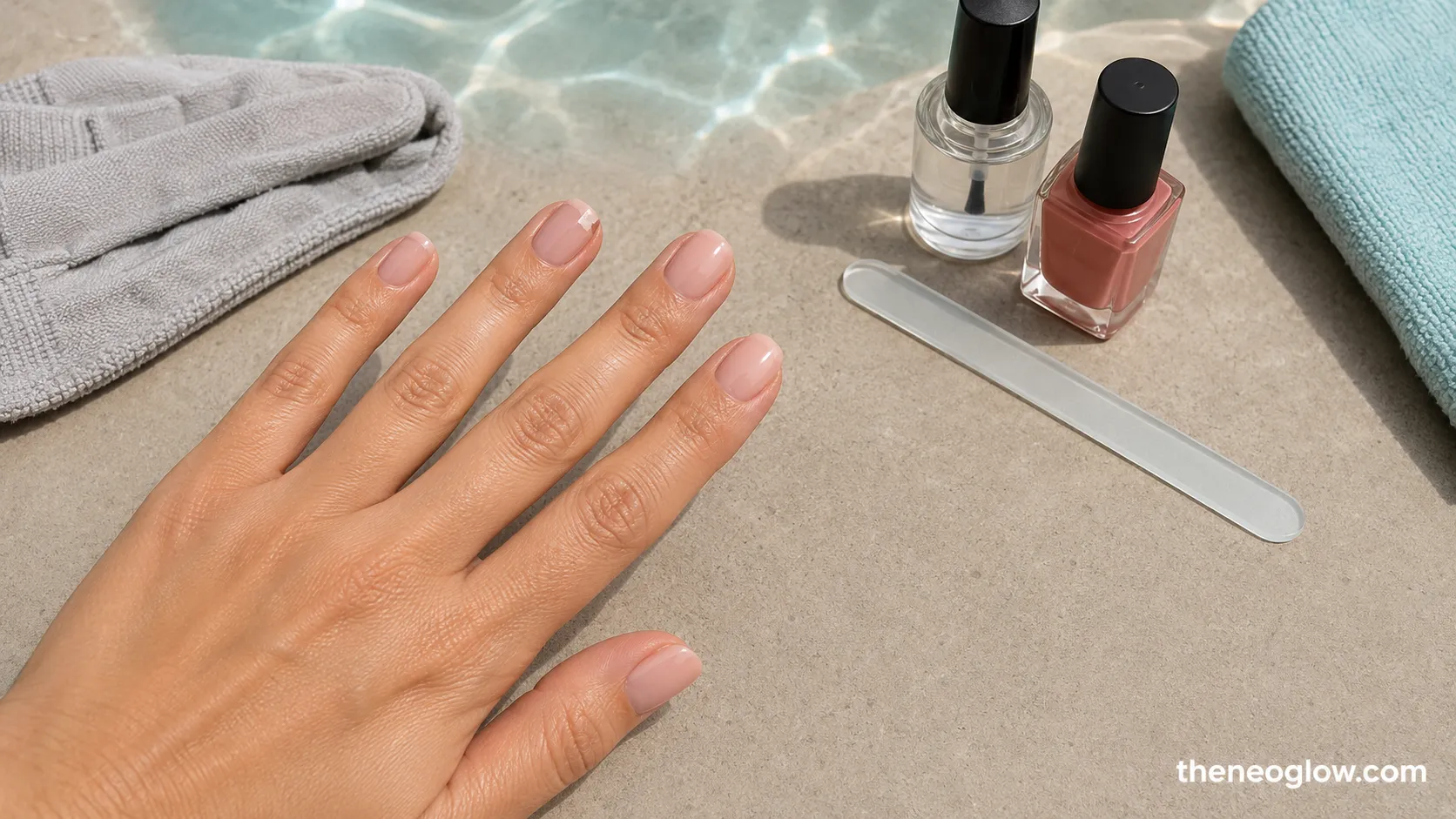
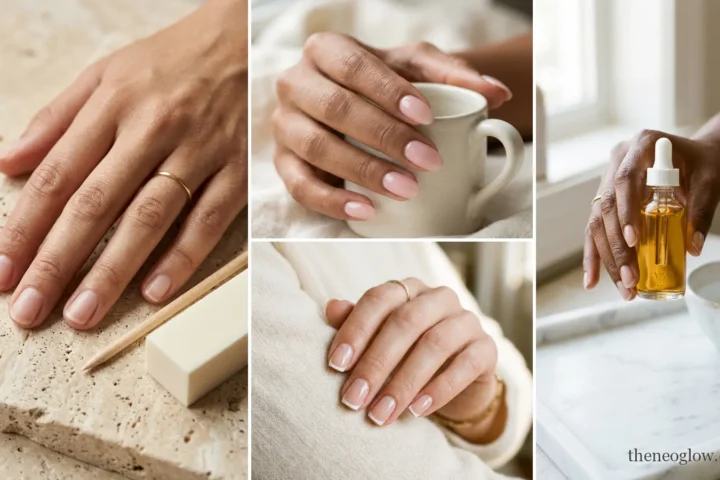
- High-Gloss Air-Dry ‘Soap Nails’: Twice-daily jojoba cuticle oil + warm towel gentle push-back after showering + two sheer coats of Essie Ballet Slippers or OPI Bubble Bath create luminous, salon-clean short nails with completely intact cuticles.
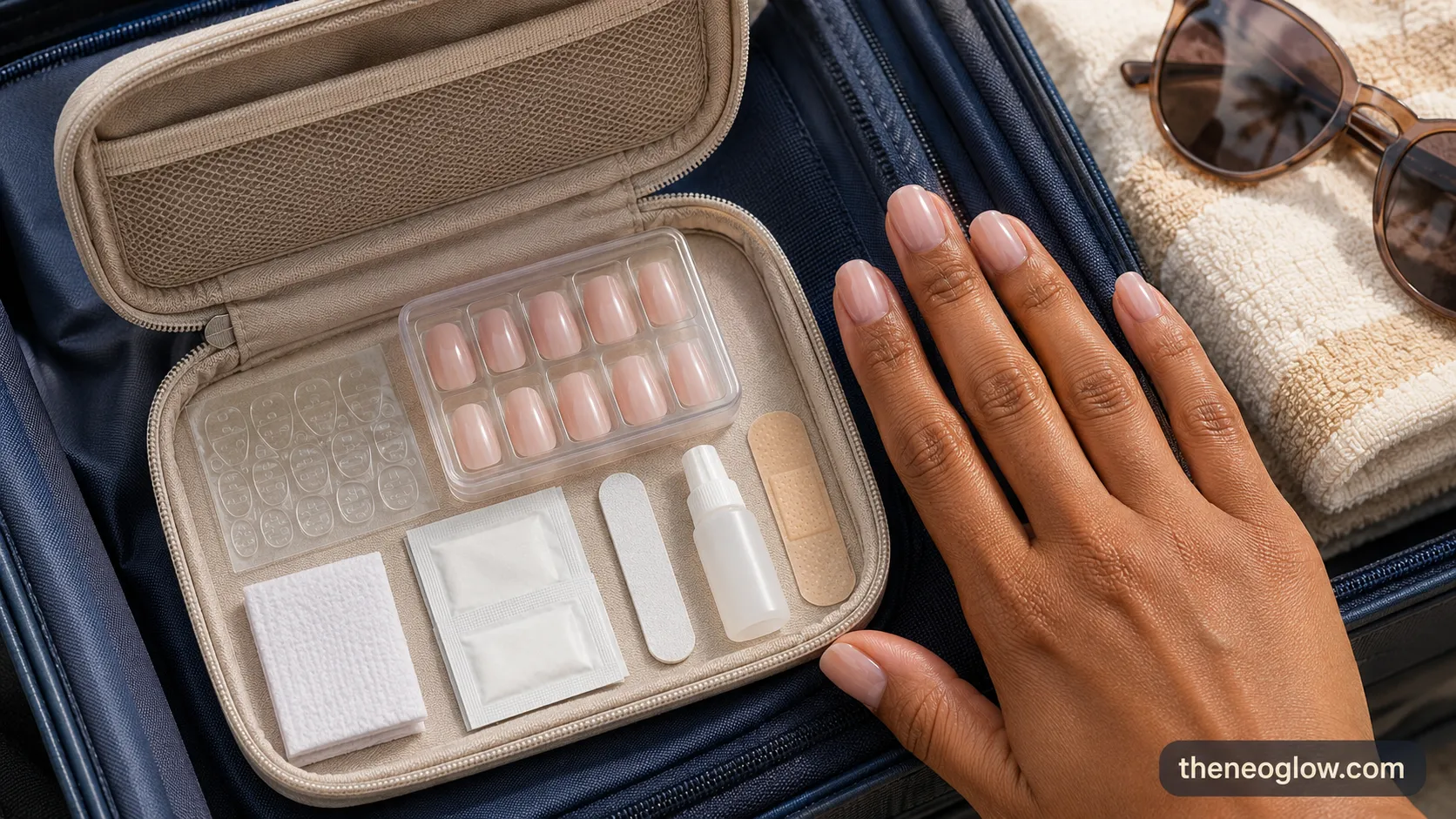
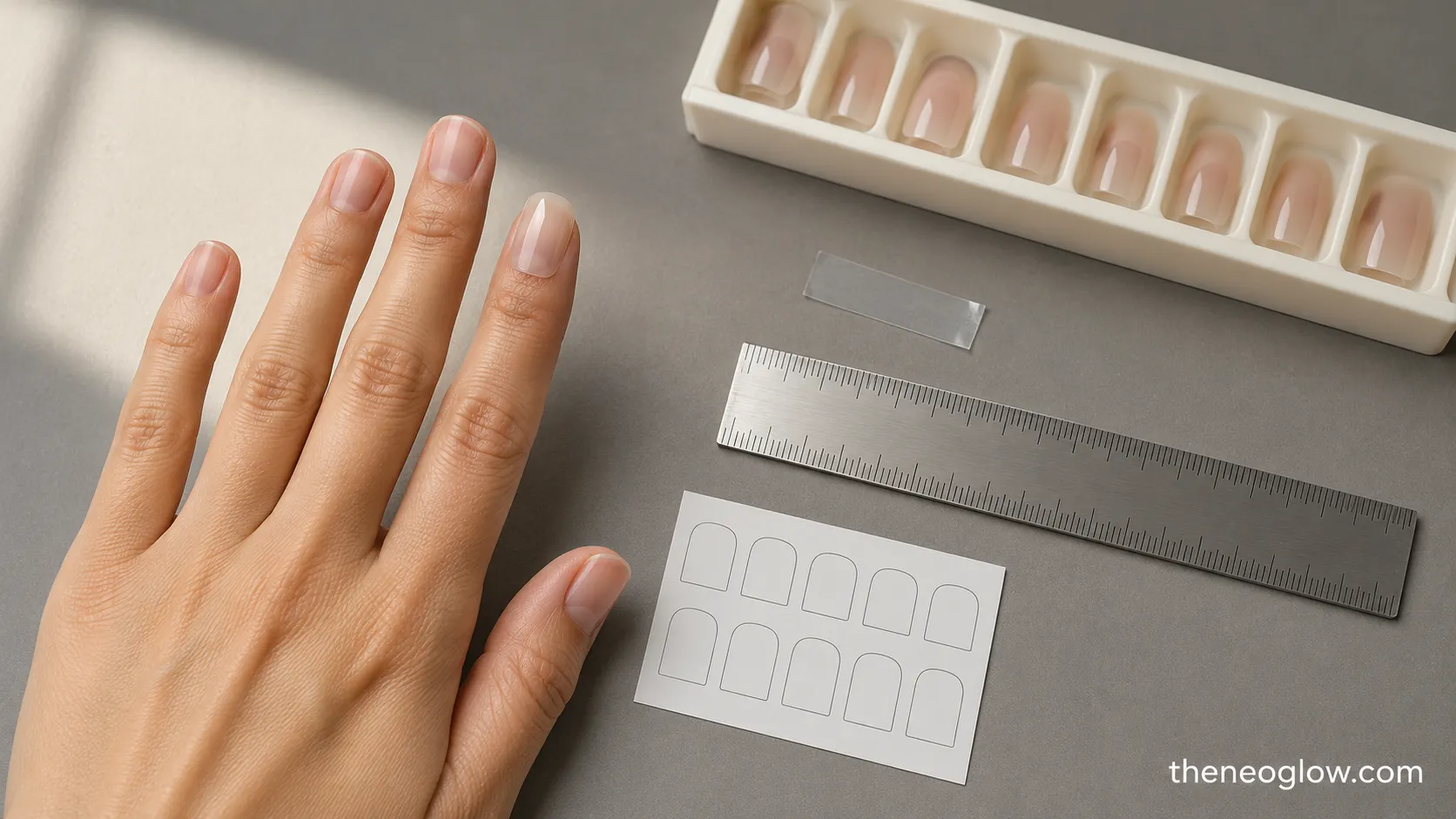
- Custom-Fitted Sheer Press-Ons: Filing the bottom curve of a milky-blush press-on tip lets it tuck cleanly against pushed-back skin—follow our guide on how to make press-on nails last 2 weeks for a zero-drill luxury finish, or browse minimalist shades in our classy winter nails edit.
Best Nail Shapes, Colors & 4-Week Aftercare for a Russian Manicure
Because the signature hallmark of a Russian dry manicure is razor-clean skin framing and architectural symmetry, certain nail shapes and polish finishes showcase that precision even better than chunky glitter or heavy 3D charms.
- Most flattering shapes: Short squoval, soft natural oval, and tapered short almond nails spotlight the crisp cuticle curve without adding top-heavy breakage leverage.
- Highest-payoff finishes: Translucent milky-peach BIAB, sheer rosy ‘soap nail’ neutrals, crisp short French nails, and high-gloss deep cherry or espresso cremes (where an uneven edge would normally show within days).
- 4-Week Cuticle Aftercare Rule: Exfoliated dry cuticle skin can rebound with stubborn dry hangnails if left dehydrated. Keep a jojoba cuticle oil pen (like CND SolarOil or Bliss Kiss) on your desk and apply one drop per finger morning and night, avoiding aggressive hand sanitizer directly on nail folds.
Russian Manicure Q&A: Everything You Need to Know Before Booking
Why is a Russian manicure controversial with dermatologists?
Dermatologists express caution because removing too much of the proximal nail fold breaks the natural watertight seal protecting your nail root from bacteria and fungi. Risks climb sharply in salons that skip medical-grade autoclave sterilization or employ undertrained technicians who cut living tissue.
Does a Russian manicure hurt?
No—a properly performed Russian manicure should NEVER hurt, sting, burn, or bleed. You should only feel light buzzing vibrations as ultra-fine diamond bits buff dry dead skin. If you feel sharp pinching or heat spikes, speak up immediately.
How long does a Russian manicure really last?
Most clients enjoy 3 to 4 full weeks of chip-free wear. Because dry prep improves gel adhesion and color is tucked microscopically close to the cuticle line, visible grow-out stays subtle nearly a week longer than standard soak-off gel manicures.
Are Russian manicures legal in the United States?
Dry e-file cuticle exfoliation is widely offered by licensed nail technicians across the US, though specific state cosmetology boards (such as California and New York) strictly prohibit cutting living skin or using invasive razor tools. Always book a state-licensed specialist who removes only non-living dead cuticle tissue and uses sealed autoclave sterilization.
How should I care for my nails after a Russian manicure?
Apply lightweight jojoba or squalane cuticle oil morning and night to keep freshly exfoliated skin supple and prevent dry peeling. Wear gloves while washing dishes with hot soapy water, never pick at lifting gel, and return every 3 to 4 weeks for a clean rebalance.
A luxury manicure should always leave your hands feeling as healthy as they look: verify sealed autoclave pouches, insist on pain-free dry prep, and choose the structured or gentle-barrier option that fits your skin best.