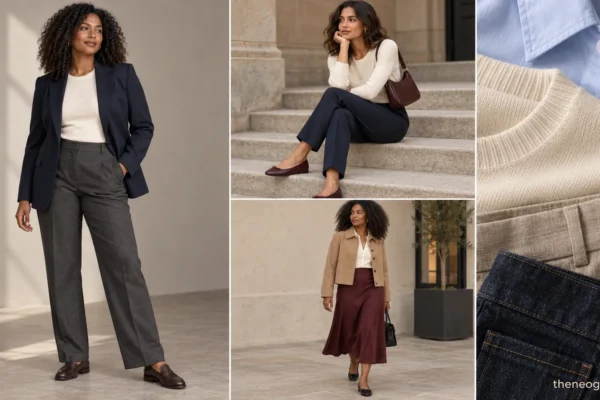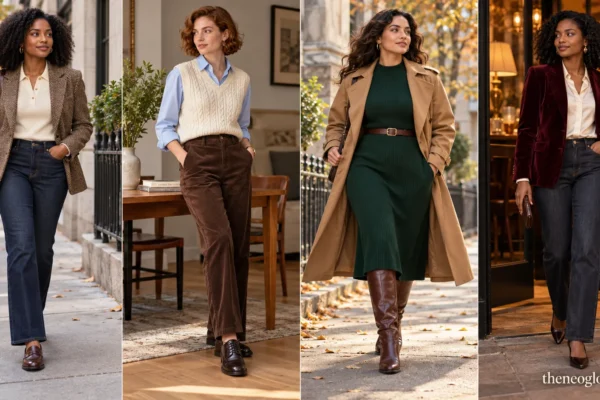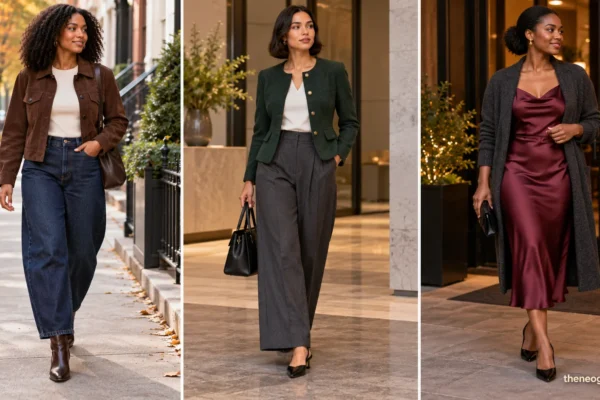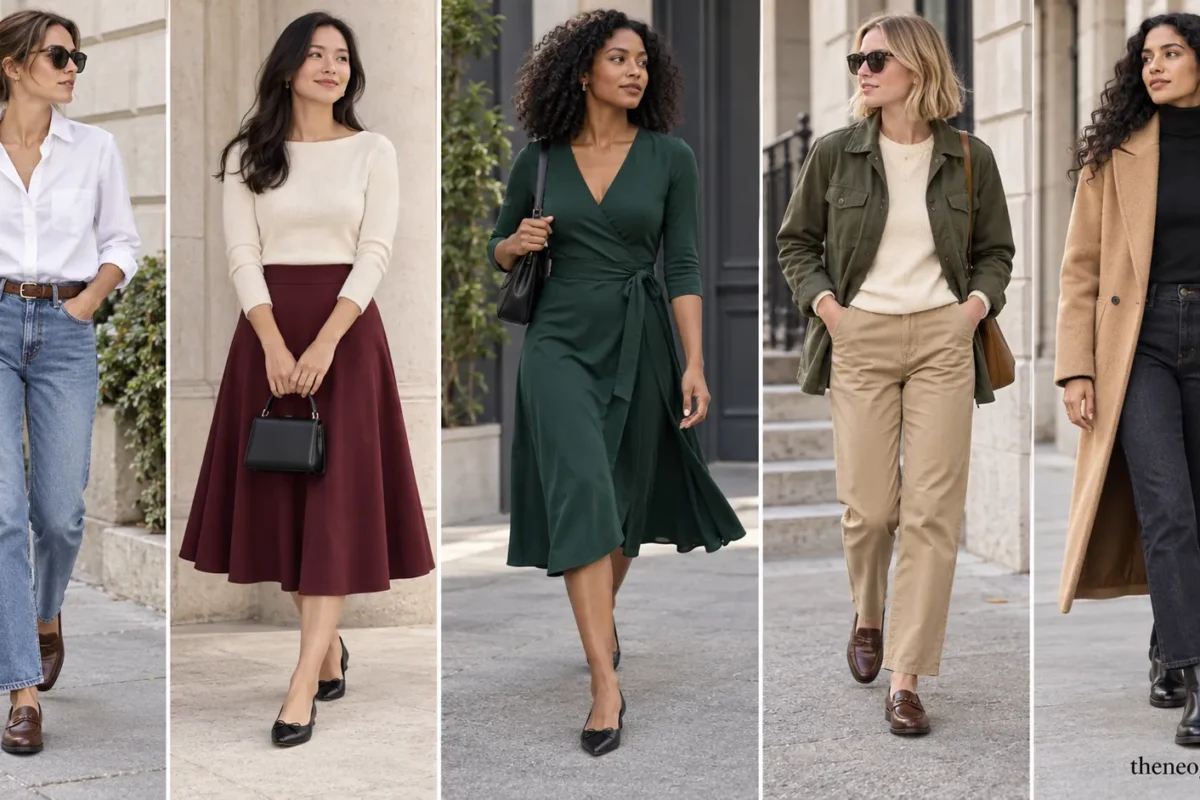
Classic outfits work best when they are built from combinations you can repeat, not a rigid list of “must-own” pieces. The goal is a wardrobe where familiar staples earn their place because they mix easily, suit real life, and still feel like you. This guide gives you 21 distinct outfit formulas across warm, cool, casual, polished, and layered situations, with practical notes on proportion, footwear, fabric, and rewear.
If you want the more heritage-leaning version of this idea, the NeoGlow old money style guide explains how classic style differs from old-money, quiet-luxury, and preppy dressing.
Start With the Staple You Already Own
You do not need to shop for all 21 looks. Start with the category you already wear most, then use the formula as a framework rather than a uniform.
| If You Already Own | Build Around It | Change First for Variety |
|---|---|---|
| Blue or dark denim | shirts, tees, knitwear, simple outerwear | shoe, layer, or color contrast |
| Chinos or tailored trousers | polos, cardigans, crisp shirts, simple knits | fabric weight or silhouette |
| Midi skirts | compact knits, shirts, denim layers | skirt shape, hem, or footwear |
| Simple dresses | cardigans, trench coats, low heels, flats | layer, bag scale, or shoe |
| Classic outerwear | quiet base layers and reliable bottoms | proportion and climate weight |
21 Classic Outfits to Rewear Across Seasons
1. White Oxford Shirt + Straight Blue Jeans + Leather Loafers
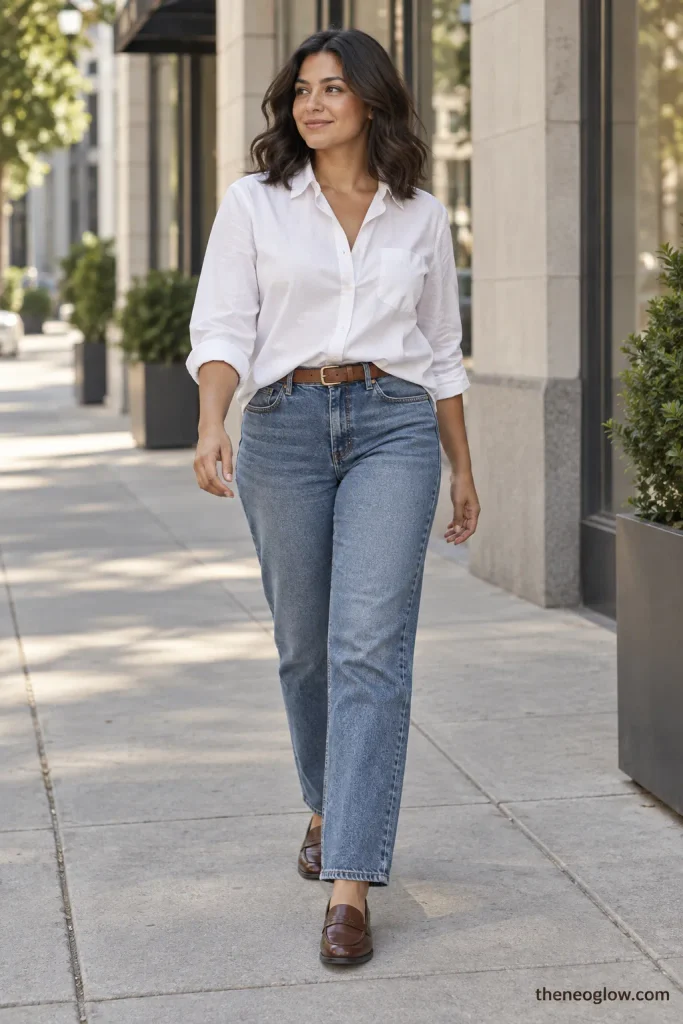
A white or soft-ivory Oxford shirt with medium-wash straight jeans is one of the easiest classic combinations to repeat. Keep the shirt relaxed enough to move without billowing, then add brown, oxblood, or black leather loafers.
A simple belt can connect the shoe color without turning the outfit into a matching set. For a softer line, leave the shirt untucked or use a partial tuck.
2. Breton Tee + Khaki Chinos + Low-Profile Sneakers
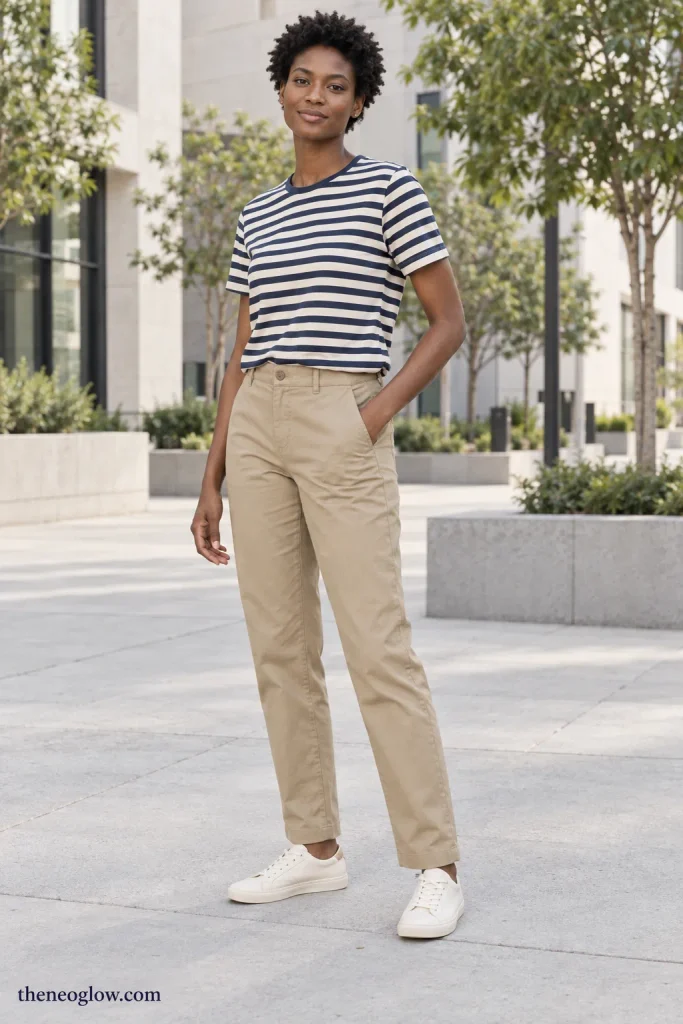
A striped Breton-style tee brings pattern without making the outfit trend-dependent. Pair it with straight or gently tapered khaki chinos and low-profile sneakers in white, cream, navy, or black.
The useful contrast is visual rather than formal: a graphic horizontal stripe above a clean trouser line. If the tee is roomy, a slightly straighter chino usually keeps the proportions from feeling bulky.
3. Chambray Shirt + White Jeans + Flat Leather Sandals
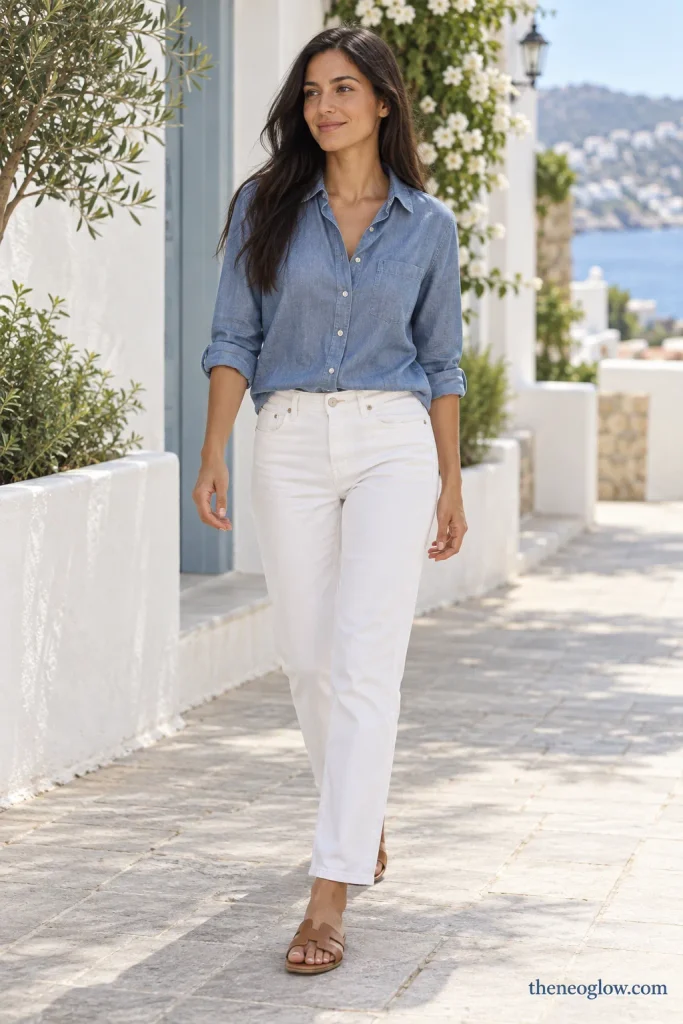
For warm weather, combine a lightweight chambray shirt with opaque white or ecru jeans and simple flat leather sandals. The blue-on-white color relationship feels crisp while the softer shirt keeps the outfit relaxed.
Roll the sleeves only if it is comfortable and practical. If white denim is not useful in your wardrobe, a pale stone or light khaki trouser gives the same low-contrast effect.
4. Knit Polo + Olive Chinos + Suede Loafers
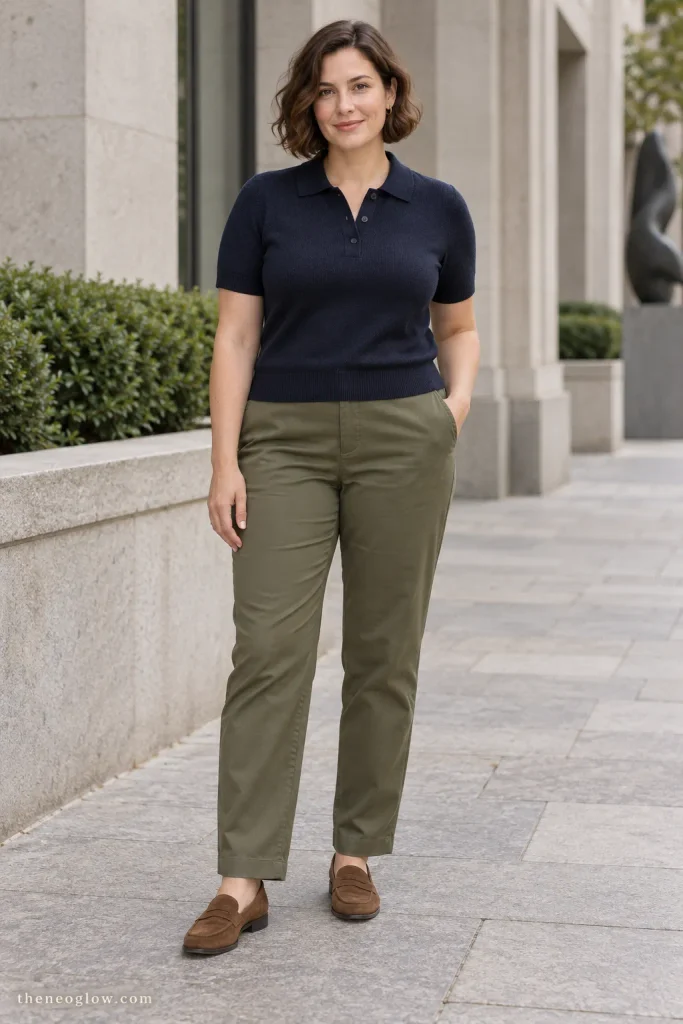
A fine-gauge knit polo gives you collar structure without needing a blazer or button-down. Wear it with olive, tan, or tobacco chinos and suede loafers for an easy transitional look.
Keep the polo compact enough to sit cleanly at the waistband. In warmer weather, choose cotton or a lightweight blend; in cooler weather, a denser knit makes the same formula work with socks and a heavier shoe.
5. Cardigan Worn as a Top + Black Trousers + Ballet Flats
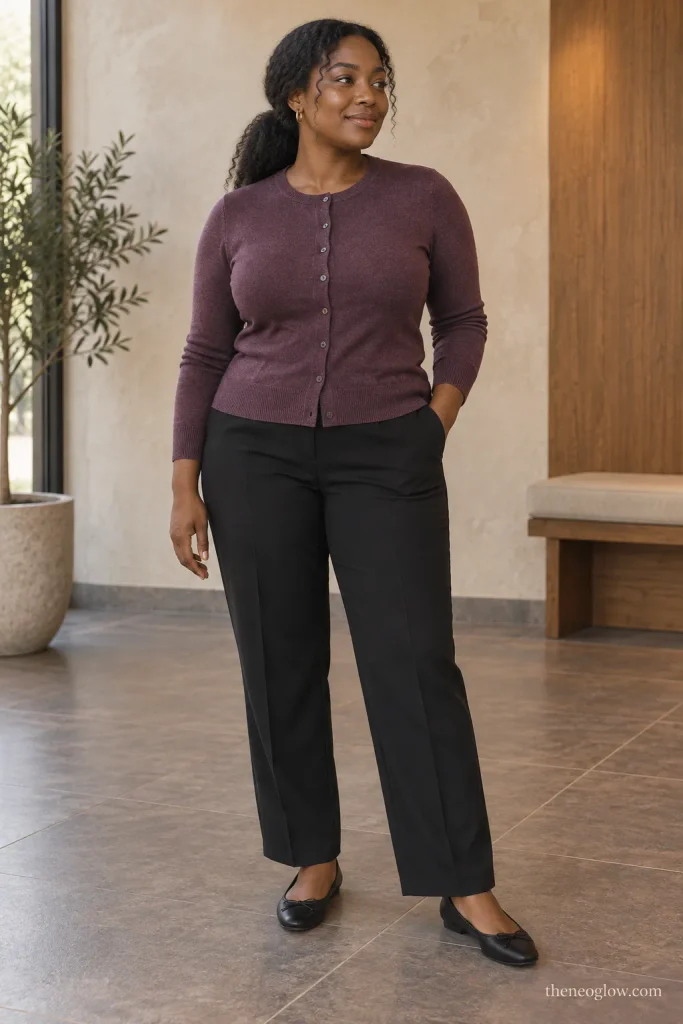
Button a fine cardigan as a top and pair it with straight black trousers for a simple outfit that can move from errands to a casual office. Ballet flats keep the silhouette light, while loafers make it more structured.
Check that the cardigan closes smoothly across the bust without pulling. A crewneck, V-neck, or collarless shape can all work, so choose the neckline you naturally rewear.
6. Cable-Knit Crewneck + Corduroy Trousers + Ankle Boots
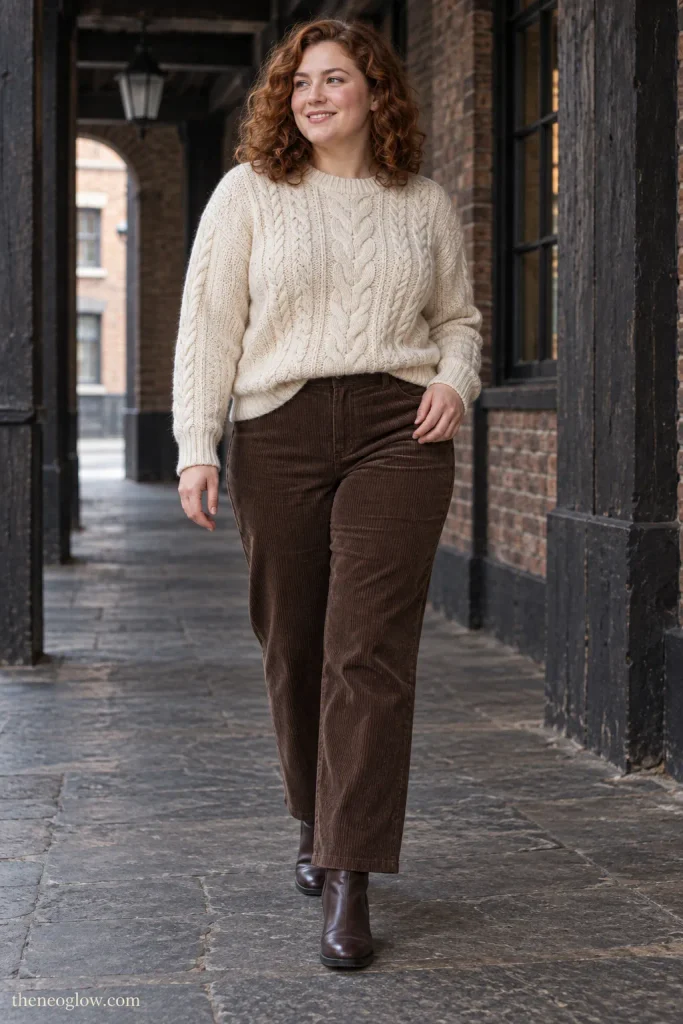
A cable or textured crewneck sweater with straight corduroy trousers is a useful cold-weather classic because the interest comes from surface texture instead of accessories.
Try navy, cream, forest, charcoal, or burgundy above chocolate, tan, olive, or deep brown corduroy. Finish with leather ankle boots. Keep one piece less bulky than the other so the outfit does not become visually heavy from shoulder to hem.
7. Black Tee + Ivory Trousers + Slingback Flats
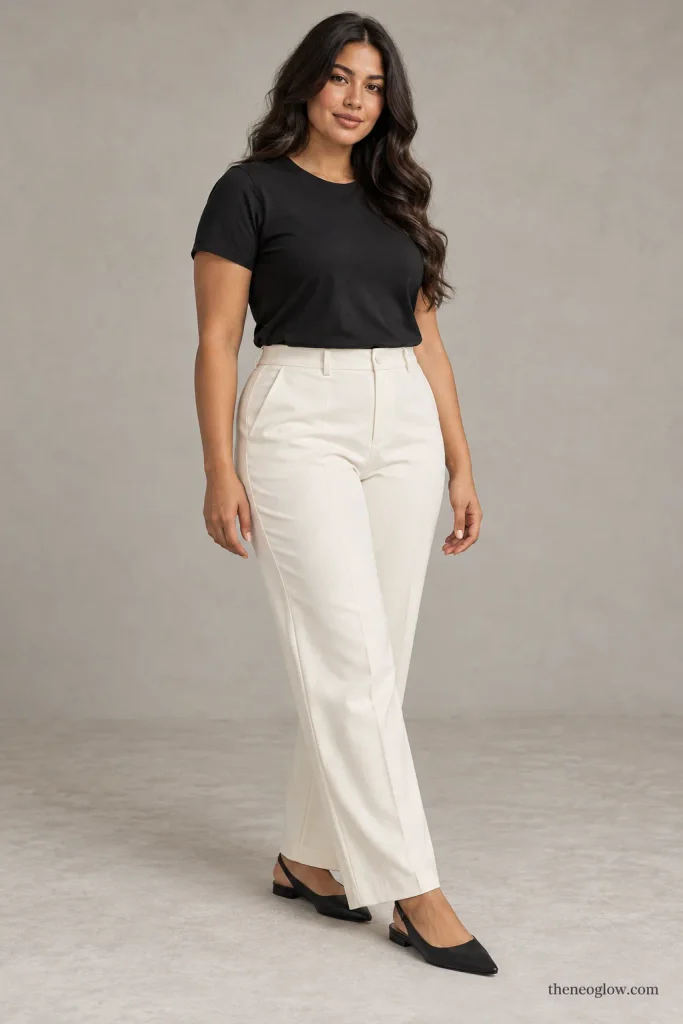
A clean black crewneck or scoop-neck tee with ivory straight-leg trousers creates strong contrast using two basic pieces. Slingback flats, low pumps, or simple loafers can shift the formality.
The trousers should be opaque and comfortable when sitting. If high contrast feels too sharp, replace black with charcoal, chocolate, navy, or deep olive and keep the lighter trouser.
8. Crewneck Sweater + Gray Flannel Trousers + Leather Derbies
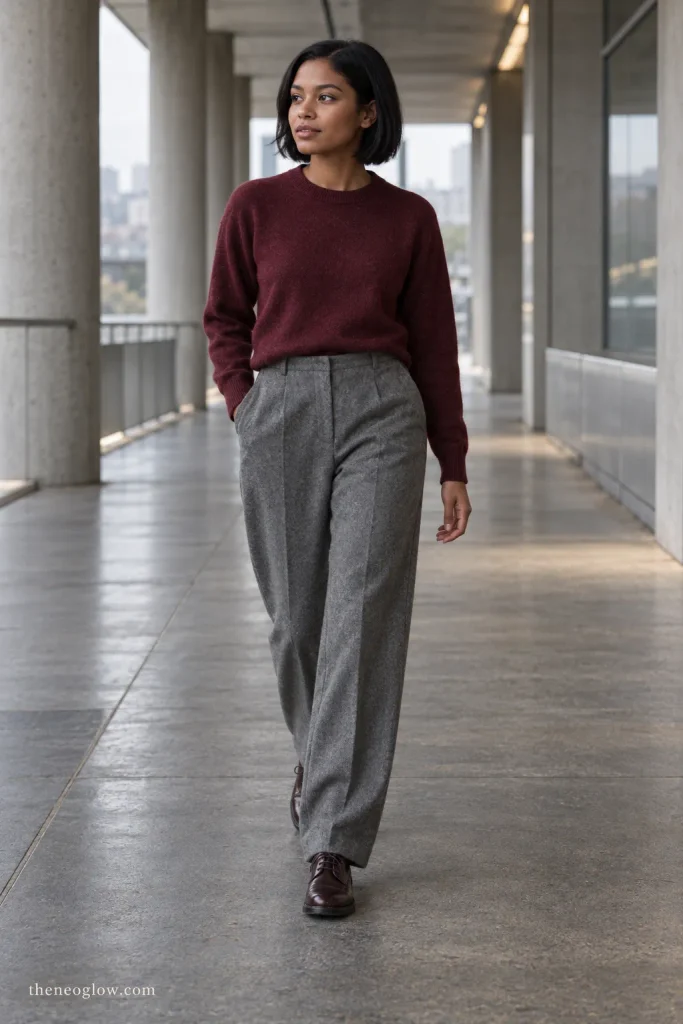
Gray flannel trousers add softness and warmth to a familiar sweater formula. Pair them with a fine crewneck in navy, cream, burgundy, or deep green and finish with leather derbies, loafers, or sleek lace-up flats.
The trouser drape matters more than a perfectly sharp crease. A slightly shorter sweater or a clean front tuck can help if the trousers have more volume through the leg.
9. Crisp Cotton Shirt + Pencil Midi Skirt + Low Pumps
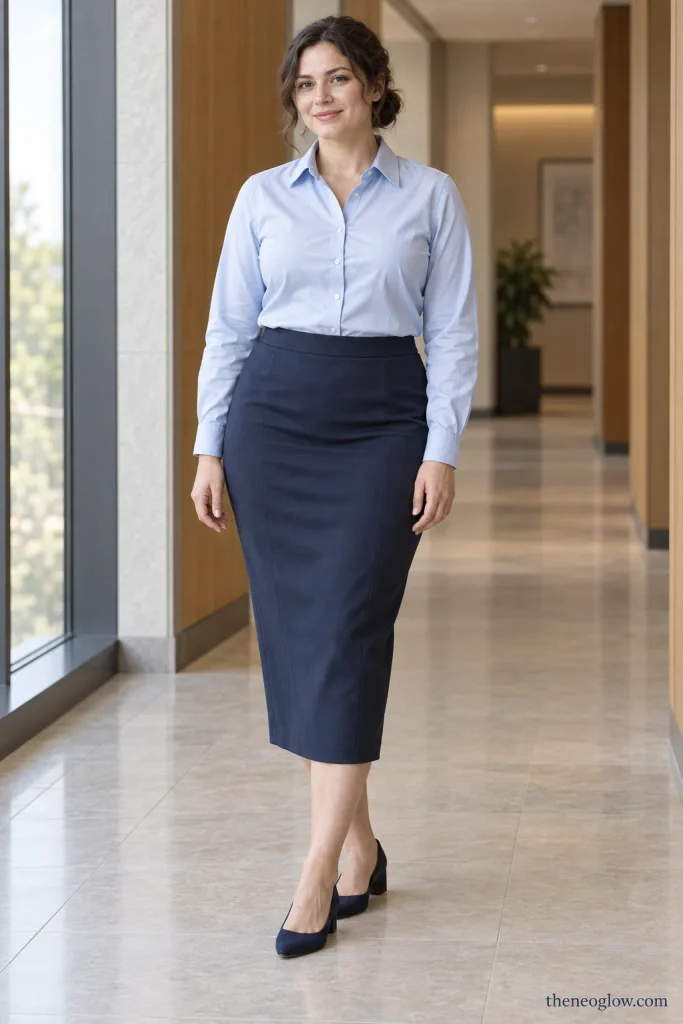
A crisp shirt and pencil or straight midi skirt creates a classic vertical line without relying on a full suit. Choose a skirt with enough ease or a back vent for normal walking, then add low pumps, pointed flats, or slingbacks.
A pale blue, ivory, striped, or soft-gray shirt keeps the formula flexible. If tucking feels bulky, use a shorter shirt that ends near the waistband.
10. Boatneck Knit + A-Line Midi Skirt + Ballet Flats
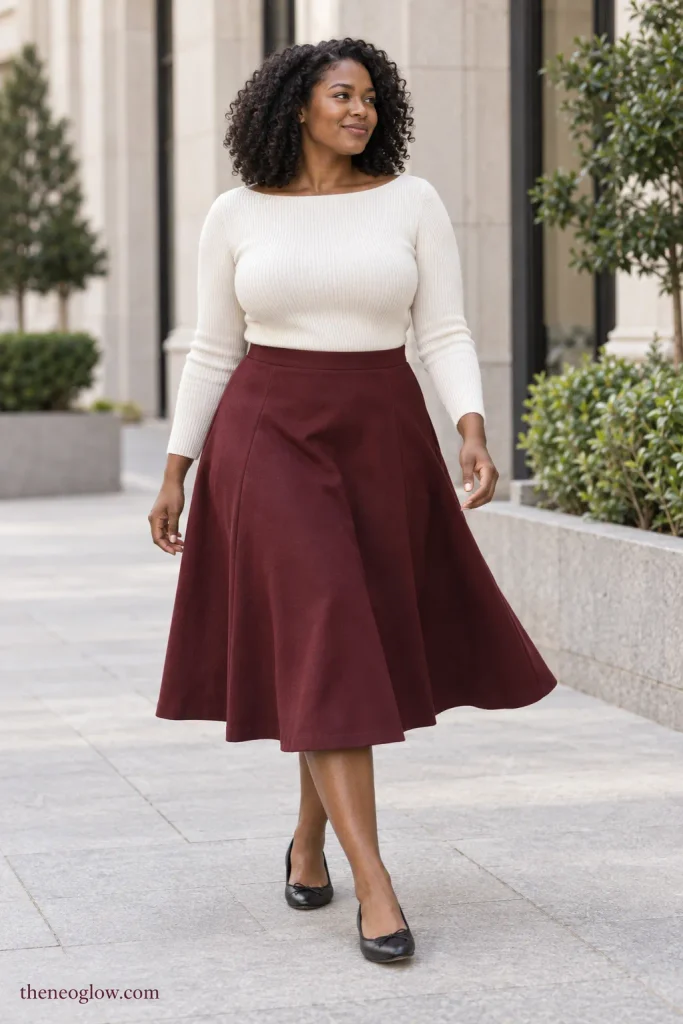
A boatneck knit with an A-line midi skirt balances a compact upper half with more movement below. This works particularly well with cotton, wool-blend, twill, or structured woven skirts that hold a clear shape.
Ballet flats or Mary Janes keep the line grounded. If the skirt is very full, choose a closer-fitting knit; if it is only gently flared, a slightly relaxed top can work.
11. Denim Jacket + Cotton Midi Skirt + Canvas Sneakers
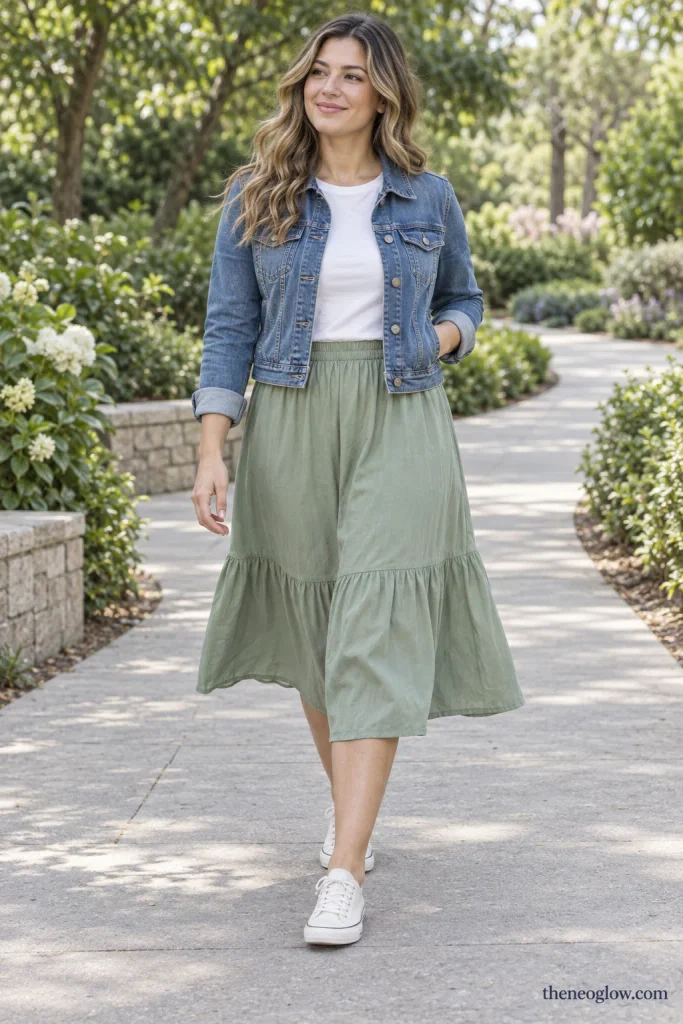
A denim jacket can act as the practical frame for a soft cotton midi skirt and plain tee or tank. Add low-profile canvas sneakers for a daytime outfit that feels classic without becoming formal.
Keep the jacket length in proportion to the skirt: cropped or waist-length layers usually preserve more shape, while a longer trucker jacket works better with a straighter skirt.
12. Wrap Dress + Pointed Flats + Simple Shoulder Bag
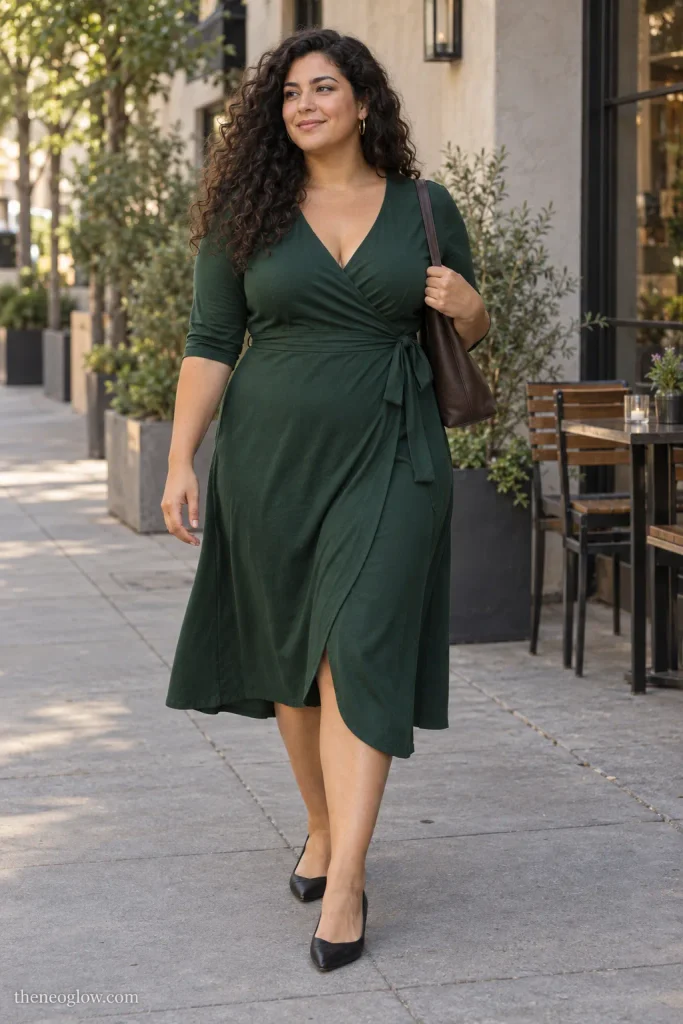
A wrap dress remains useful because the waist can usually be adjusted more easily than on a rigidly fitted dress. Choose a knee-to-midi length with enough overlap and coverage for your setting, then add pointed flats or a low heel.
Small prints, navy, black, deep green, burgundy, and controlled color all work. If you prefer less waist emphasis, choose a softer faux-wrap or tie-front variation.
13. Sleeveless Shift Dress + Cropped Cardigan + Slingbacks
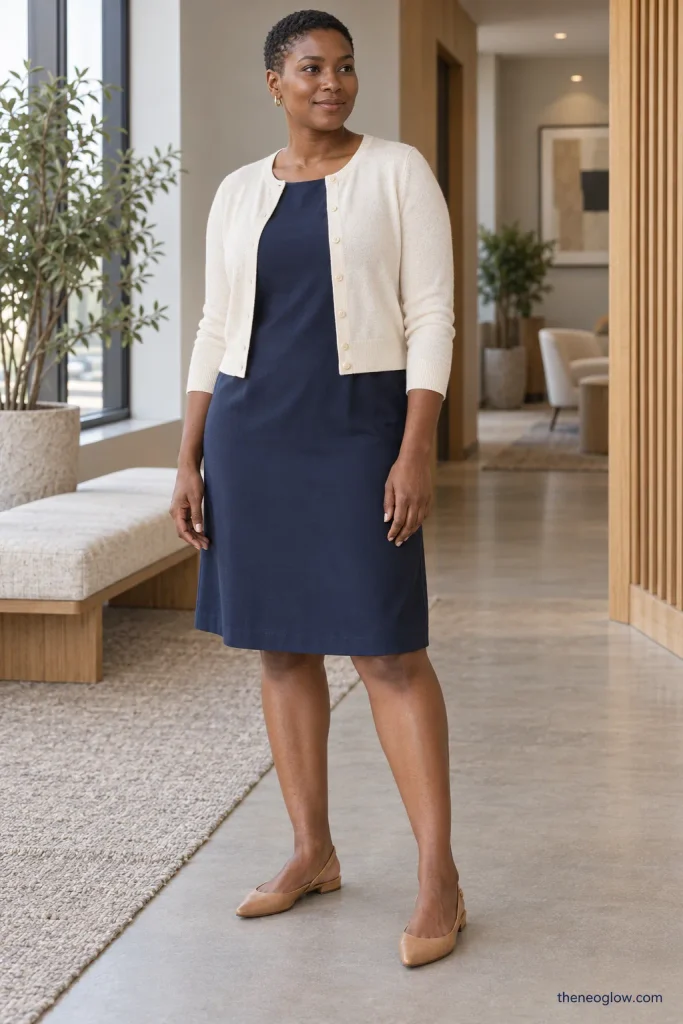
A sleeveless shift or softly shaped dress paired with a cropped cardigan gives you a clean layered outfit without forcing waist definition. Slingbacks or refined flats keep it polished and walkable.
The cardigan should end where it complements the dress rather than cutting across its widest point. In a cooler office, this formula gives you an easy layer that can come off without changing the outfit underneath.
14. Polo Dress + Minimal Sneakers + Structured Tote
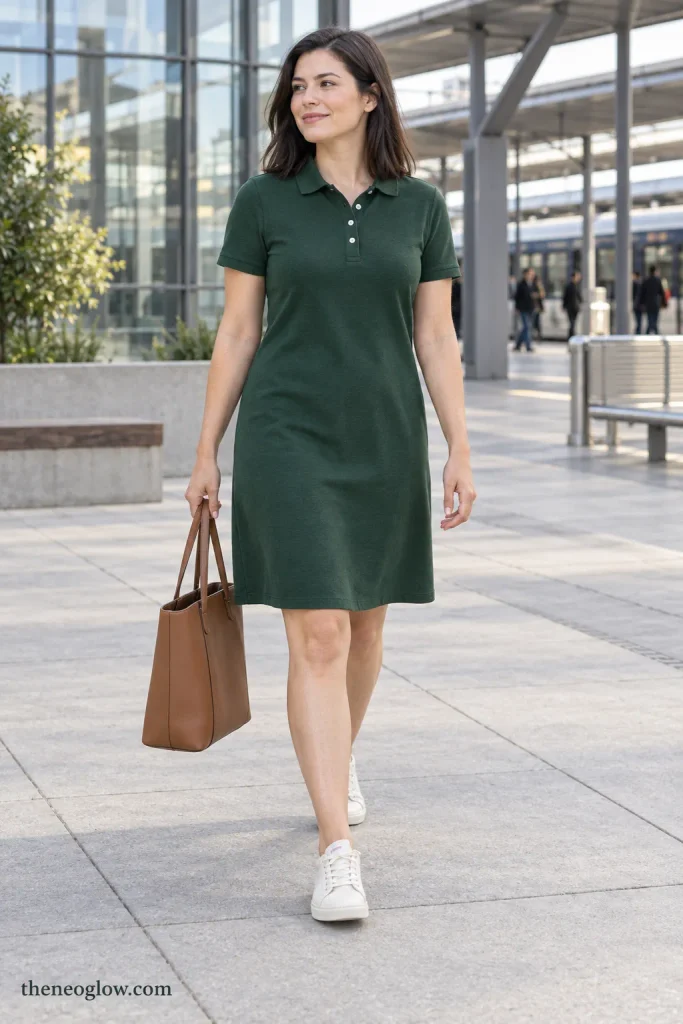
A simple polo dress offers a sporty version of classic style. Choose a knit or piqué fabric with enough opacity and recovery, then add minimal sneakers and a structured tote or crossbody.
The result is practical for casual workdays, travel, or weekends. If the dress feels too straight, choose a version with a gentle A-line shape; if you prefer a column silhouette, keep the accessories simple.
15. Tailored Shorts + Striped Cotton Shirt + Leather Sandals
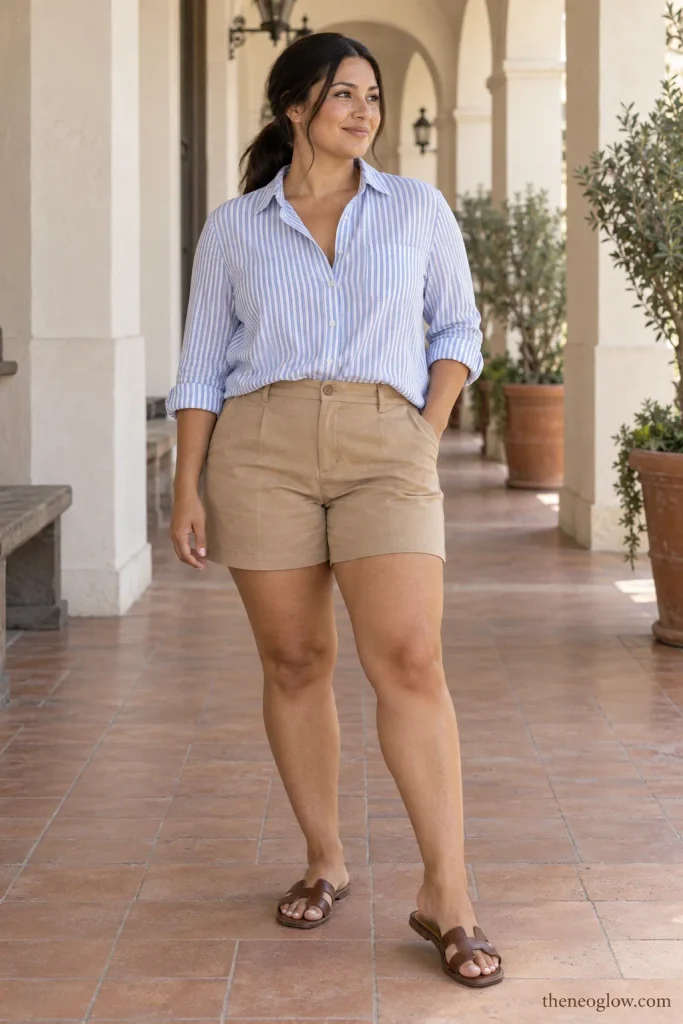
For hot weather, tailored shorts can replace trousers without losing the clean line of the outfit. Pair them with a striped cotton shirt and flat leather sandals or espadrilles.
Choose a short length that suits your setting and gives comfortable thigh room when sitting. A slightly relaxed shirt balances a straighter short, while a more fitted shirt works well with a wider or pleated leg.
16. Trench Coat + Crewneck Tee + Cigarette Trousers + Ballet Flats
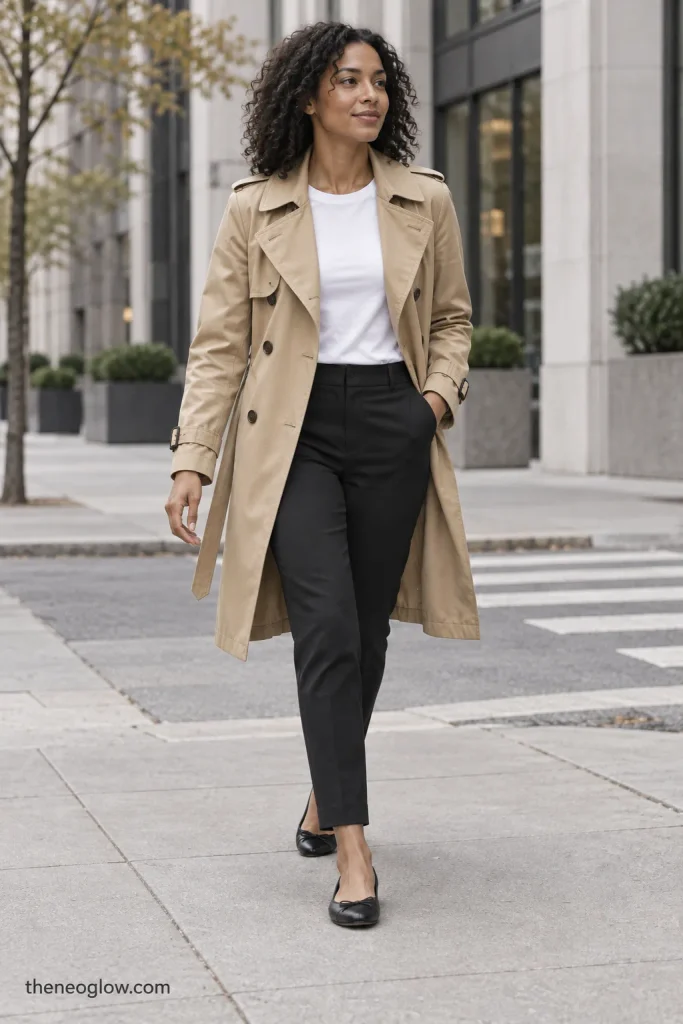
A trench coat over a plain tee and cigarette or narrow straight trousers creates a useful transitional formula. Ballet flats keep the outfit light, while loafers or low boots make it cooler-weather friendly.
Let the trench be the longest line and keep the base simple. If cropped trousers are not practical in your climate, use a full-length narrow straight trouser and keep the shoe low-profile.
17. Navy Blazer + White Tee + Dark Jeans + Loafers
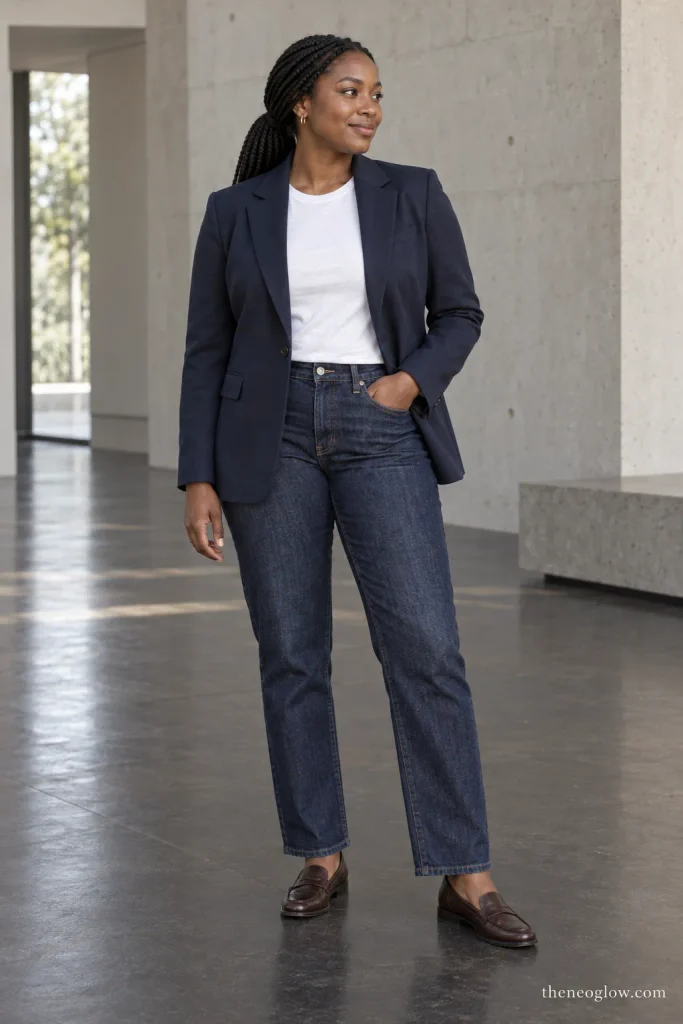
This is the classic blazer-and-denim route, but fit keeps it from feeling like a costume. Use a blazer with clean shoulders and enough room for the tee, then pair it with dark straight or gently relaxed jeans and loafers.
A navy blazer is versatile, but charcoal, brown, or black can work just as well. Keep the accessories quieter when the jacket already provides structure.
18. Field Jacket + Fine Knit + Cotton Twill Trousers + Brown Loafers
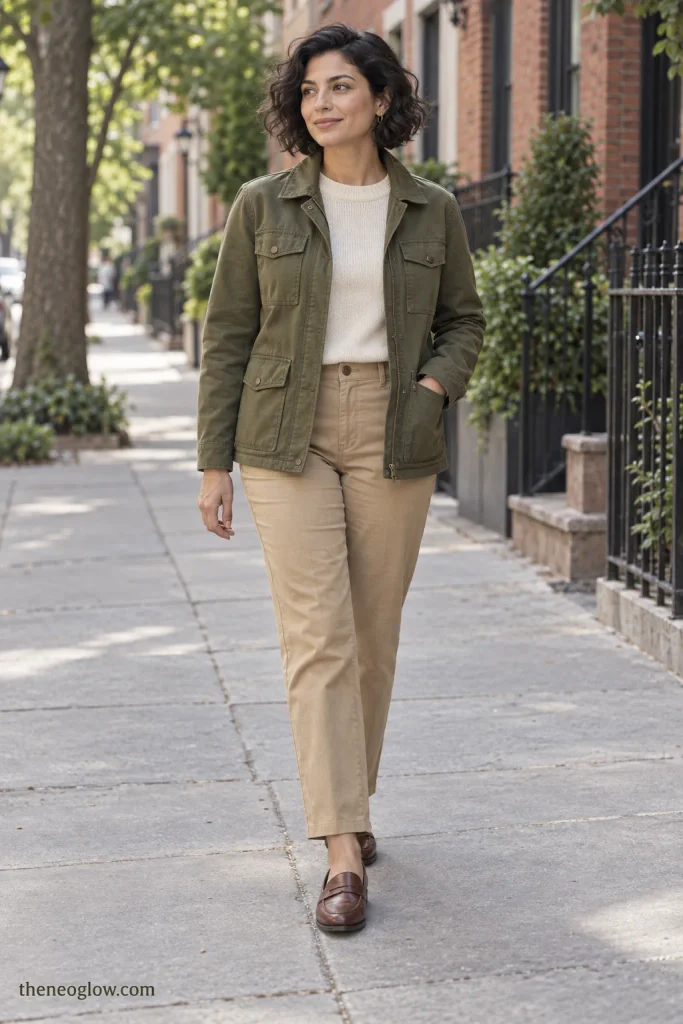
A field jacket in olive, tan, navy, or brown gives classic style a more practical outerwear direction. Wear it over a fine crewneck knit with straight cotton-twill trousers and brown loafers or sturdy flats.
Look for pockets that lie relatively flat and hardware that does not dominate the outfit. This is a strong alternative when a blazer feels too formal for your daily routine.
19. Leather Jacket + White Tee + Black Trousers + Ankle Boots
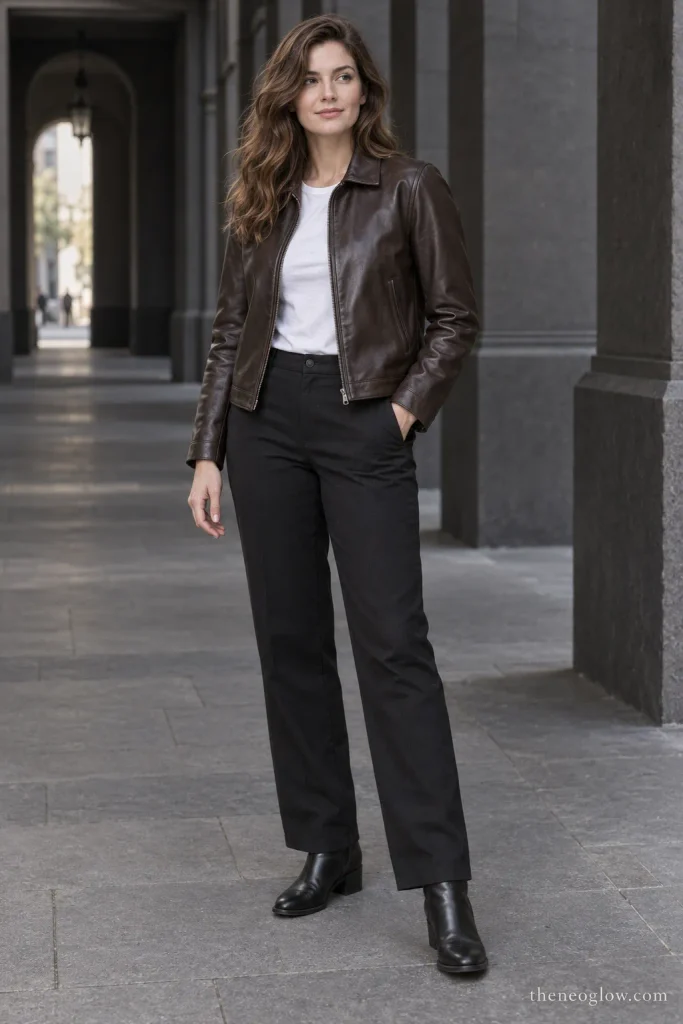
A clean leather or leather-look jacket can sit inside a classic wardrobe when the rest of the outfit is simple. Pair it with a plain white or cream tee, black straight trousers, and low ankle boots.
The jacket does not need heavy hardware or an exaggerated cropped shape. A straighter, minimal cut gives the piece more outfit range across casual and slightly dressier combinations.
20. Peacoat + Fisherman Sweater + Blue Jeans + Lace-Up Boots
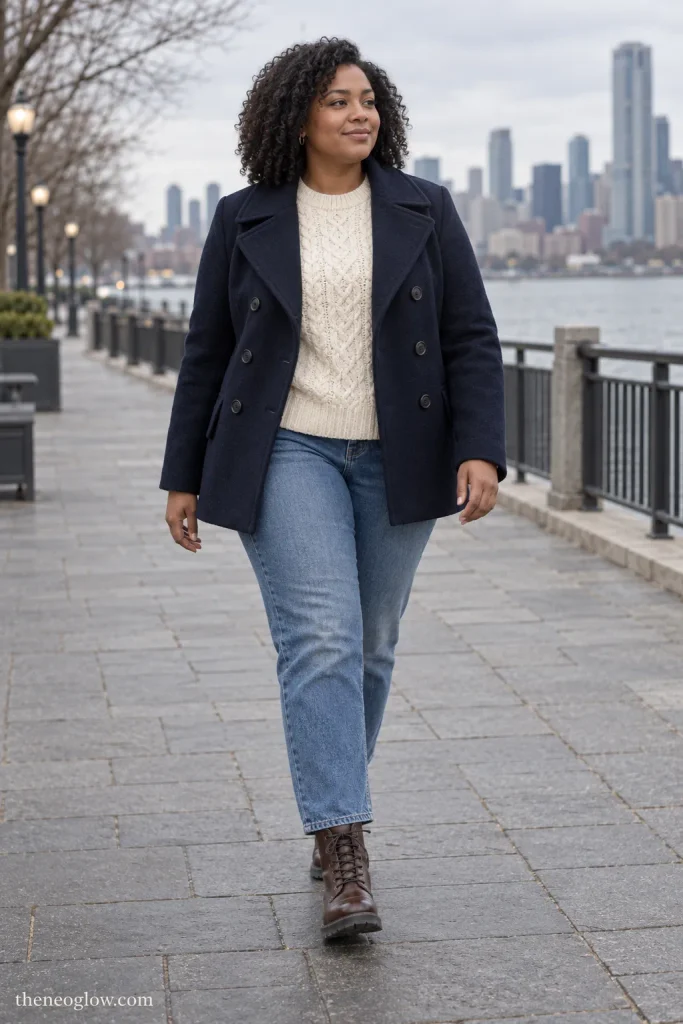
For cold weather, a peacoat over a textured fisherman-style sweater and straight blue jeans creates a practical combination with familiar shapes. Finish with lace-up boots or weather-appropriate loafers.
Keep the sweater fine enough to sit comfortably under the coat. Navy, cream, gray, camel, and deep green can all work, and a darker boot helps the outfit feel grounded in wet or wintry conditions.
21. Camel Coat + Black Turtleneck + Dark Jeans + Chelsea Boots
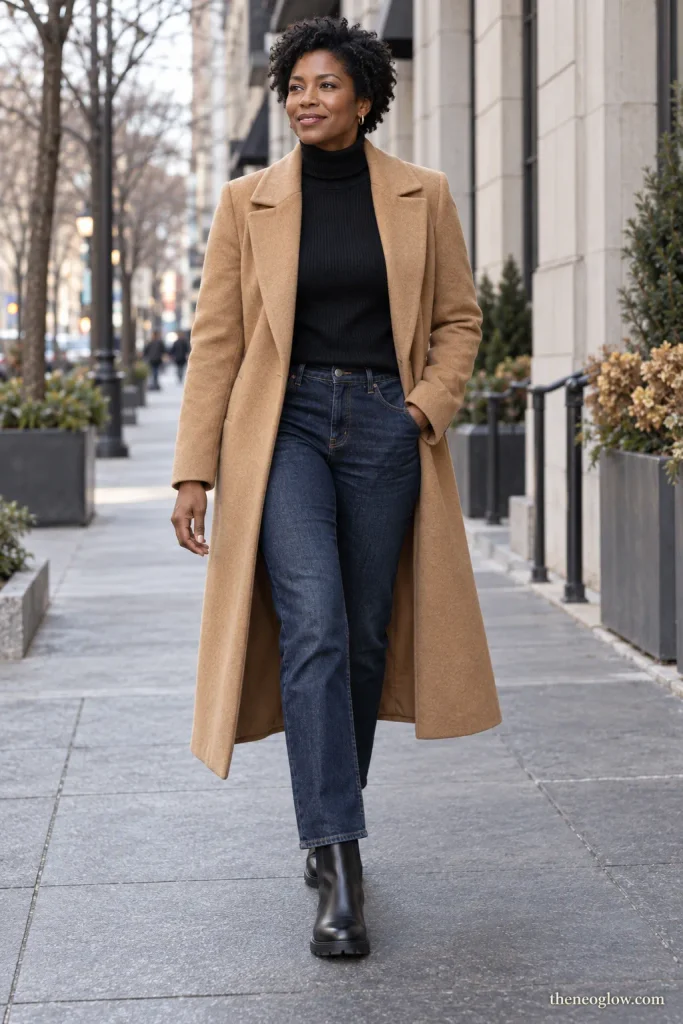
A camel, tobacco, charcoal, or navy wool coat over a black or deep-brown turtleneck and dark jeans gives you a simple long-line winter formula. Chelsea boots keep the ankle clean and work well for everyday walking when the sole suits the weather.
If a turtleneck feels restrictive, use a mock neck or crewneck. The outfit should feel warm and functional before it feels visually refined.
What Makes These Outfits “Classic”?
Classic style is broader than old-money or quiet-luxury dressing. It relies on recognizable silhouettes, controlled proportions, useful fabrics, and combinations you can repeat without needing one specific heritage reference or luxury signal.
That is also why this page stays separate from the NeoGlow classy outfits guide. “Classy” on that page is organized around dressiness and real-life occasions. Here, the organizing principle is wardrobe longevity: start with staples you already use, build repeatable formulas, and change fabric weight, color, footwear, or layering as your season and schedule change.
Choose Fabric by Behavior, Not Prestige
A wardrobe staple only earns repeat wear if its fabric works for your life. Cotton can feel crisp or soft depending on weave and finish. Linen brings airflow but visible creasing. Wool can offer warmth and shape, while polyester blends may add wrinkle resistance or reduce some maintenance.
The useful question is not which fiber sounds most expensive; it is how the finished garment drapes, wears, layers, and needs to be cared for.
For deeper fiber-by-fiber reference, the University of Georgia Cooperative Extension guide to common fibers and their care compares advantages, limitations, and care considerations across cotton, linen, polyester, wool, silk, rayon, and other fibers. Use the garment’s own permanent care label as the final instruction for washing, drying, pressing, and special warnings.
Rewear the Formula Before You Buy Another Staple
Before adding a new “timeless” item, test the formula with what you own. Build one outfit, photograph it, and notice what actually controls the result: trouser length, shirt volume, shoe shape, layer length, color contrast, or fabric weight.
Then repeat the same formula with one meaningful change. Swap chinos for jeans, loafers for sneakers, a cardigan for a field jacket, or a pale top for a deeper color. If the outfit still works, you have found a personal formula rather than copied a fixed uniform.
A classic wardrobe becomes useful through repetition. Choose one of these 21 routes that matches your real week, save the formula, and make the next change from your own closet first.