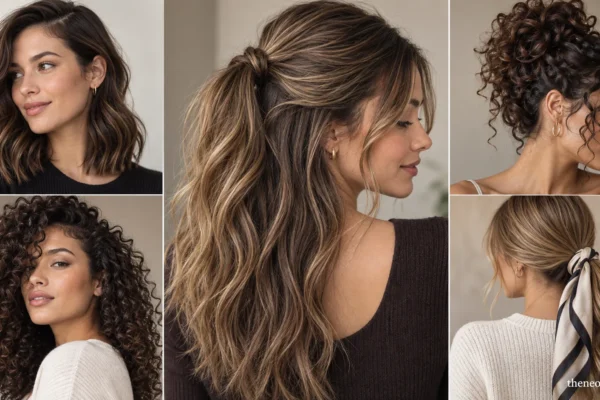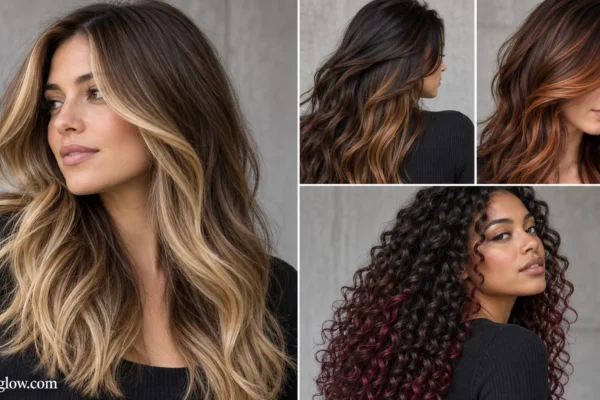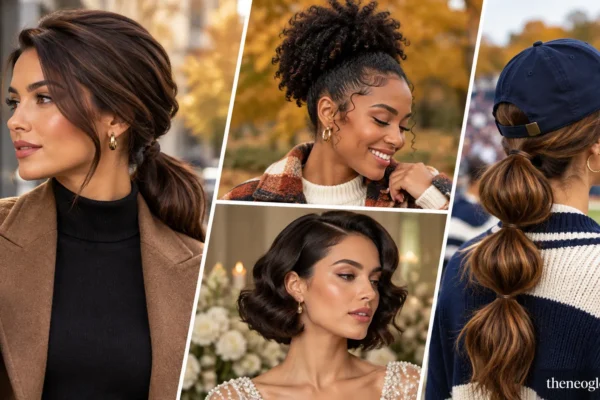
Brown hair has more range than a single brunette label suggests. A light beige-brown and a near-black espresso can belong to the same family while giving completely different results because depth, undertone, contrast, and placement all change what you see.
That range is useful right now, too. Current 2026 beauty reporting has highlighted rich espresso and mocha brunettes, deep chocolate, warm walnut, and low-contrast dimensional color, but you do not need a seasonal trend name to choose well. The most useful reference is the one you can describe clearly and adapt to your starting color.
This guide stays inside the brown family. If you want to compare brunette with blonde, red, copper, black, or fashion colors, NeoGlow’s broader 25 Hair Color Ideas guide is the better parent page. If you specifically want a fall palette that includes copper and burgundy as well as brunette, use the 24 Fall Hair Colors 2026 guide instead.
Build Your Brown Hair Reference in Four Parts
Before saving a photo, name four things: your preferred depth, undertone, contrast, and placement.
Try a sentence such as: “I want medium brown, neutral-warm, with low contrast and fine ribbons through the lengths,” or “I want deep cool-neutral brown with almost no visible highlighting and a reflective finish.”
That wording is more useful than a food-inspired shade name by itself. Two people can both ask for “mocha” and picture different levels of darkness, warmth, and dimension.
Light and Medium Brown Hair Ideas
1. Beige-Light Brown Gloss
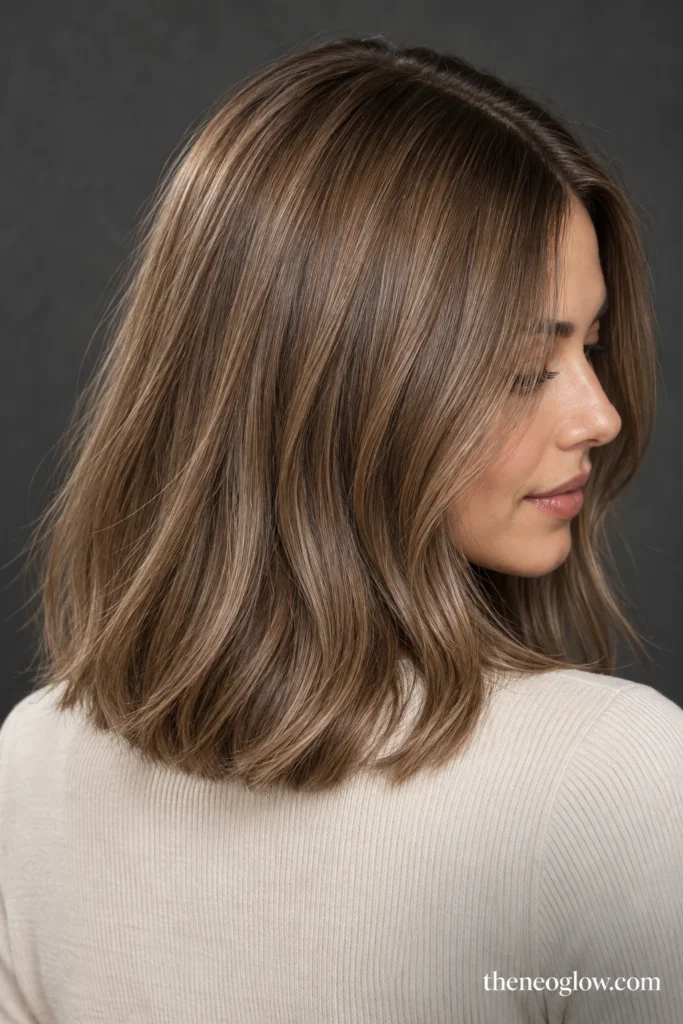
Keep the overall color light brown with a soft beige-neutral cast and very little contrast between roots and ends. A smooth glossed finish makes the shade read polished without pushing it into blonde. This is a useful route if you want light brown hair that feels calm rather than golden.
2. Honey Brown With Fine Babylights
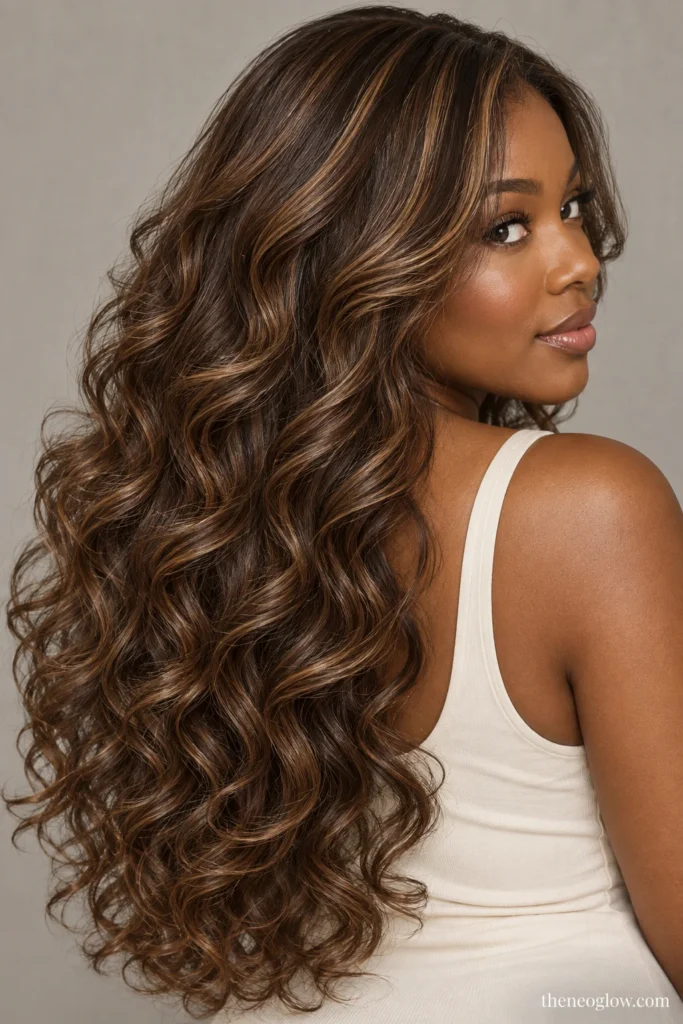
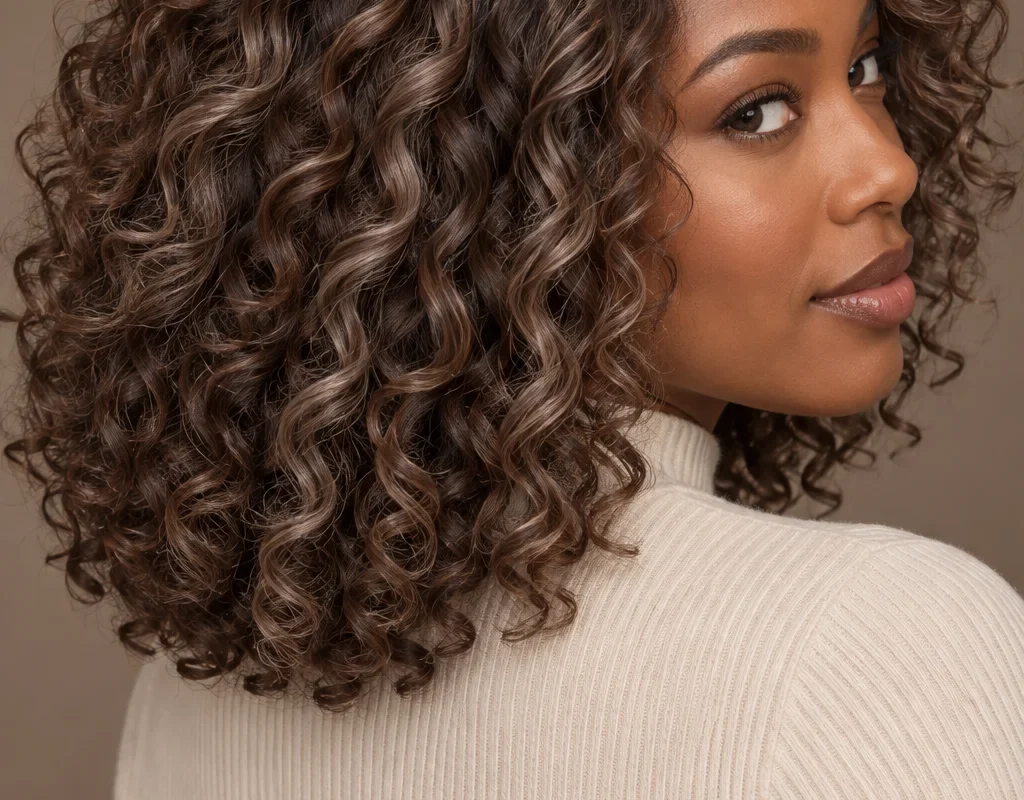
Start with light-to-medium brown and weave in very fine honey-toned pieces that stay close to the base. The goal is a warm shimmer, not obvious blonde streaks. On waves, curls, coils, or layered straight hair, the narrow highlights can show more clearly when the hair moves.
3. Toffee Brown Balayage
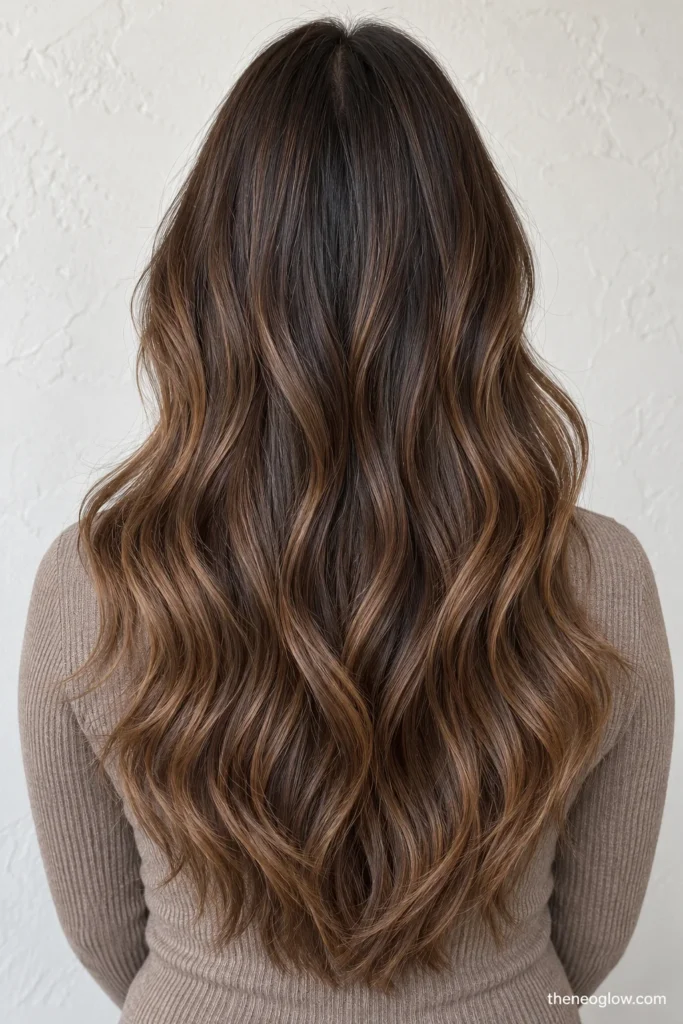
Keep a medium brown root and interior, then add soft toffee brightness through selected mid-lengths and ends. This gives you more visible lightness than babylights while keeping the finished result brown-first. Ask for the lightest pieces to stay in the caramel-to-brown range if you do not want a bronde result.
4. Sandalwood Brown Root Melt
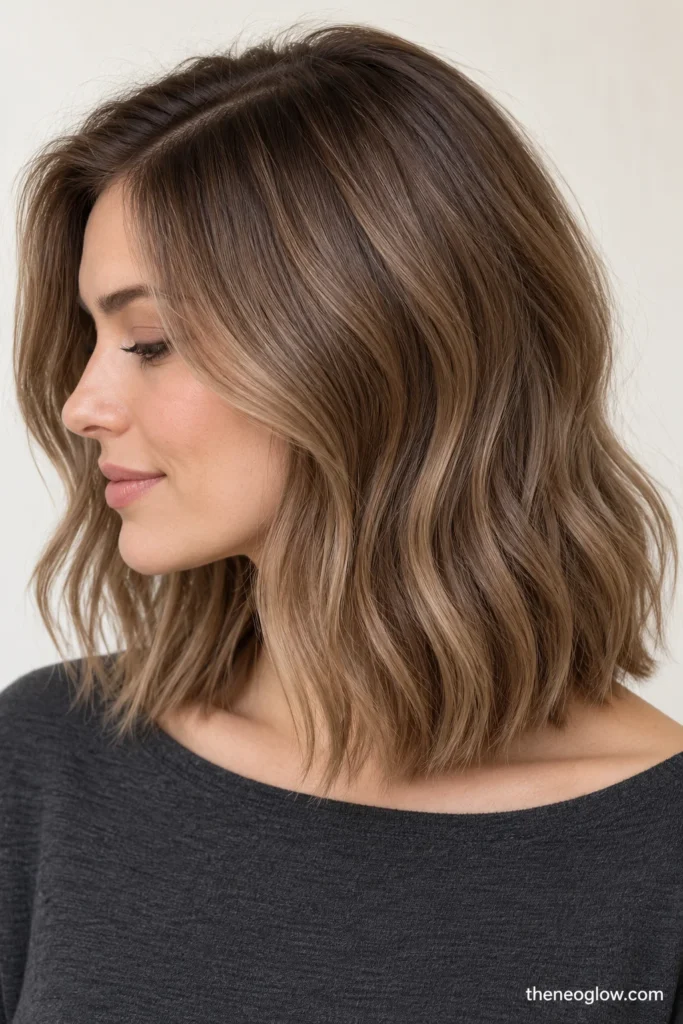
Use a light neutral-brown through the lengths with a slightly deeper brown root that blends gradually into the mids. The defining feature is the transition: no sharp dark band and no bright blonde ends. This route can make a lighter brunette feel grounded while keeping plenty of softness around the face.
5. Rosy Brown Color Veil
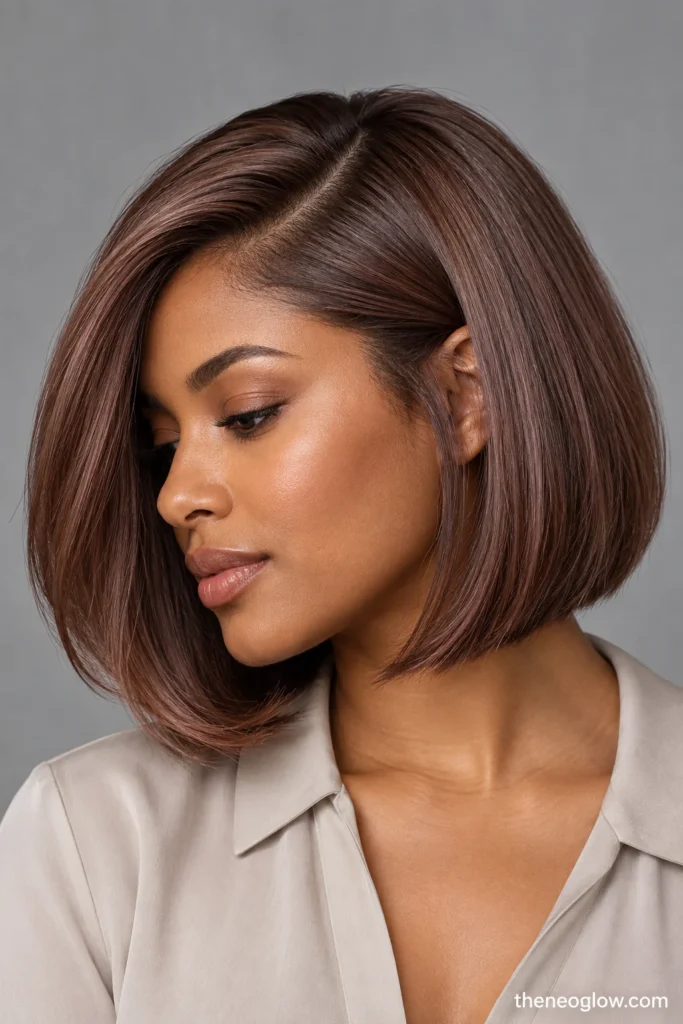
Choose a light-to-medium brown with a muted rose or pink-brown reflection rather than obvious red. Keep the color mostly uniform so the undertone, not the highlight pattern, creates the change. In different lighting it may read neutral brown first and reveal the rosy cast only in reflection.
6. Hazelnut Brown With Soft Lowlights
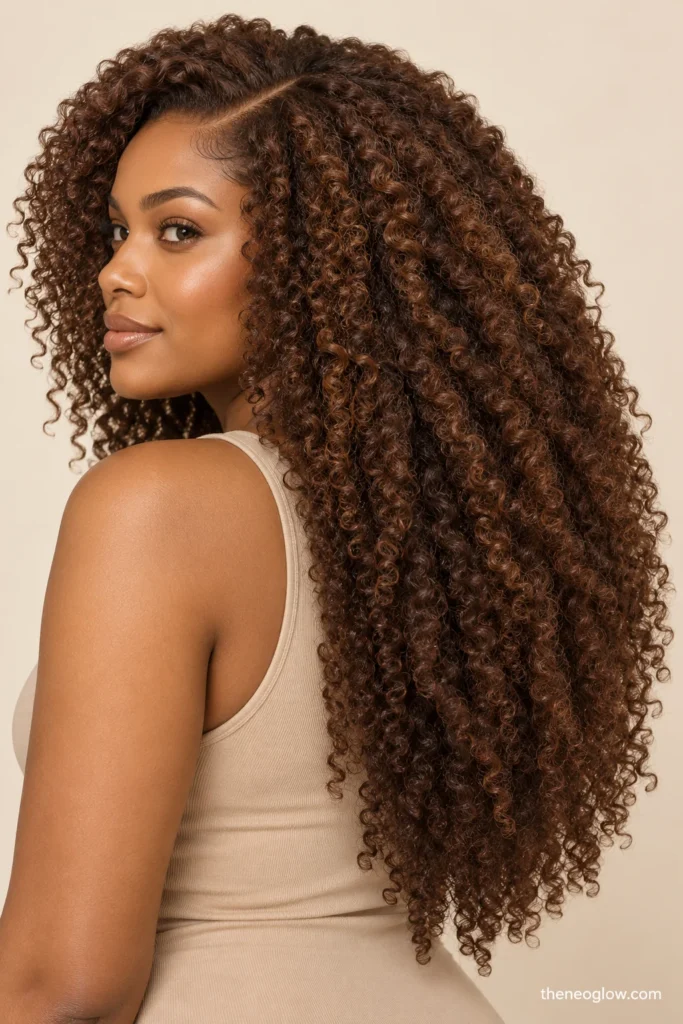
Build a warm medium brown, then add slightly deeper neutral-brown lowlights through the interior. The combination creates depth without making the surface look heavily highlighted. Hazelnut works best as a brown-on-brown idea: the lighter and darker pieces should remain close enough that the overall identity stays brunette.
Neutral and Cool Brown Hair Ideas
7. Neutral Mocha Color Drench
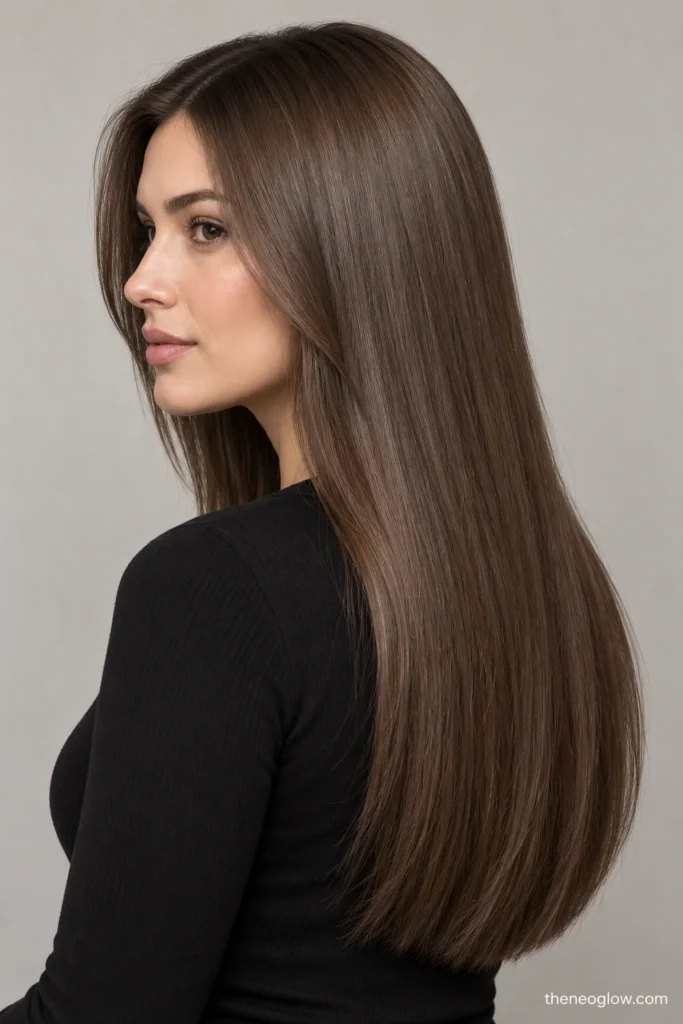
Choose one medium mocha-brown family and keep variation deliberately subtle from roots through ends. Compared with highlighted brunette, a color-drenched result depends more on even depth and reflective finish. It is a strong reference if you want brown hair to look cohesive rather than visibly streaked.
8. Taupe Brown Balayage
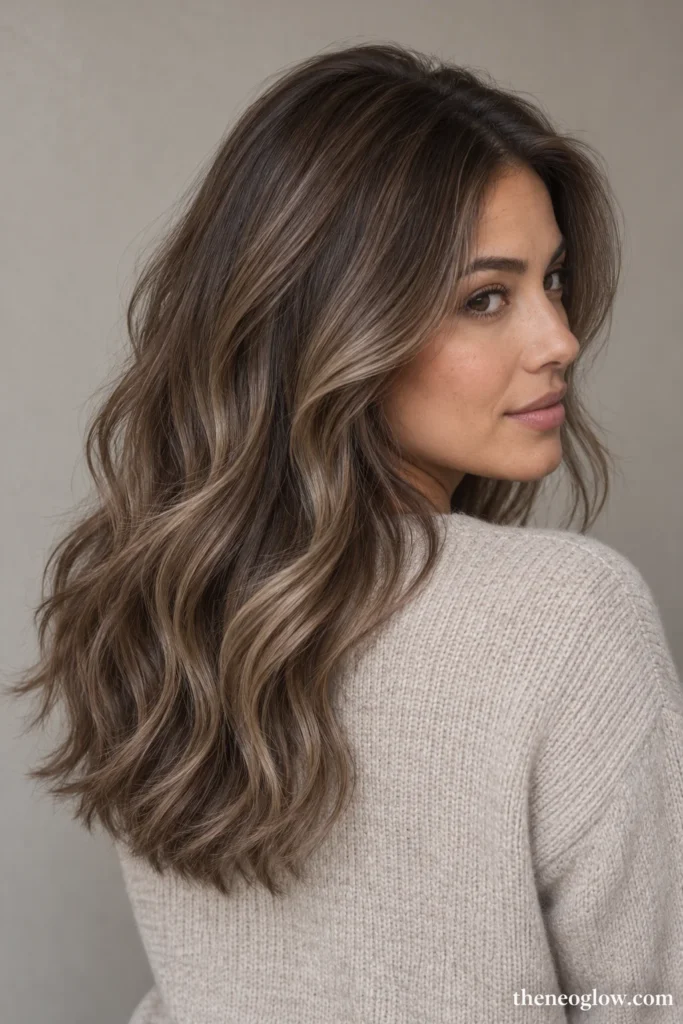
Pair a medium neutral-brown base with muted taupe-beige balayage through the lengths. Keep the lighter sections soft and smoky rather than golden. This creates a cooler dimensional route without requiring the entire head to become ash brown, and the brunette base remains visible between painted pieces.
9. Stone Brown With Shadowed Roots
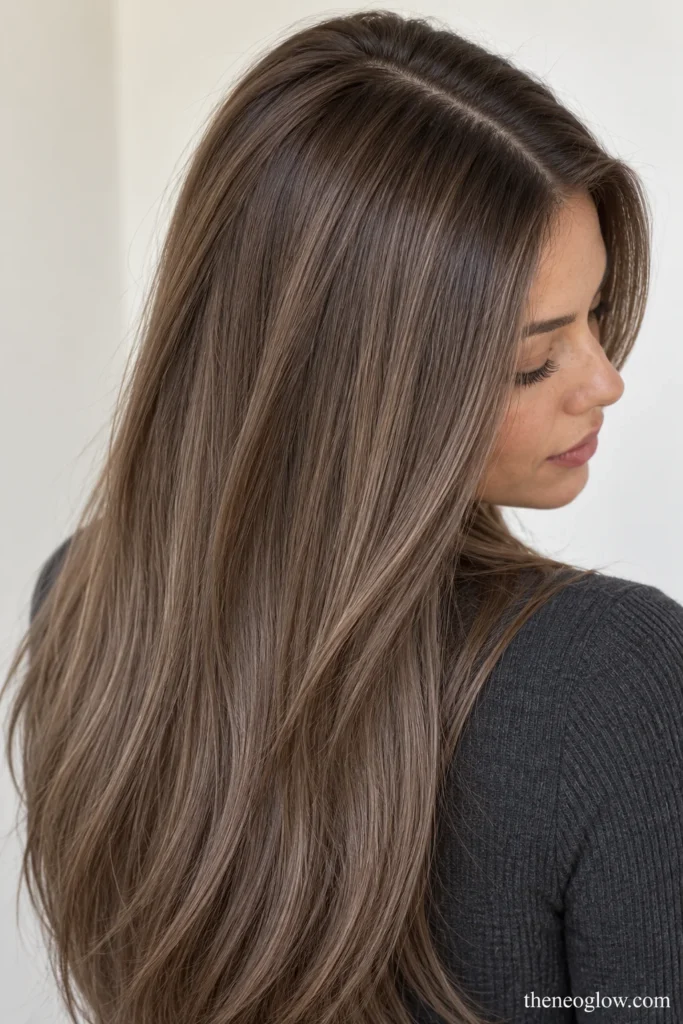
Use a cool-neutral medium brown through the mids and ends, then deepen the root area by a small amount. The contrast should be quiet and connected. This is useful when you like cooler brown hair but still want enough depth at the top to keep the color from looking washed out.
10. Smoky Ash Brown Ribbons
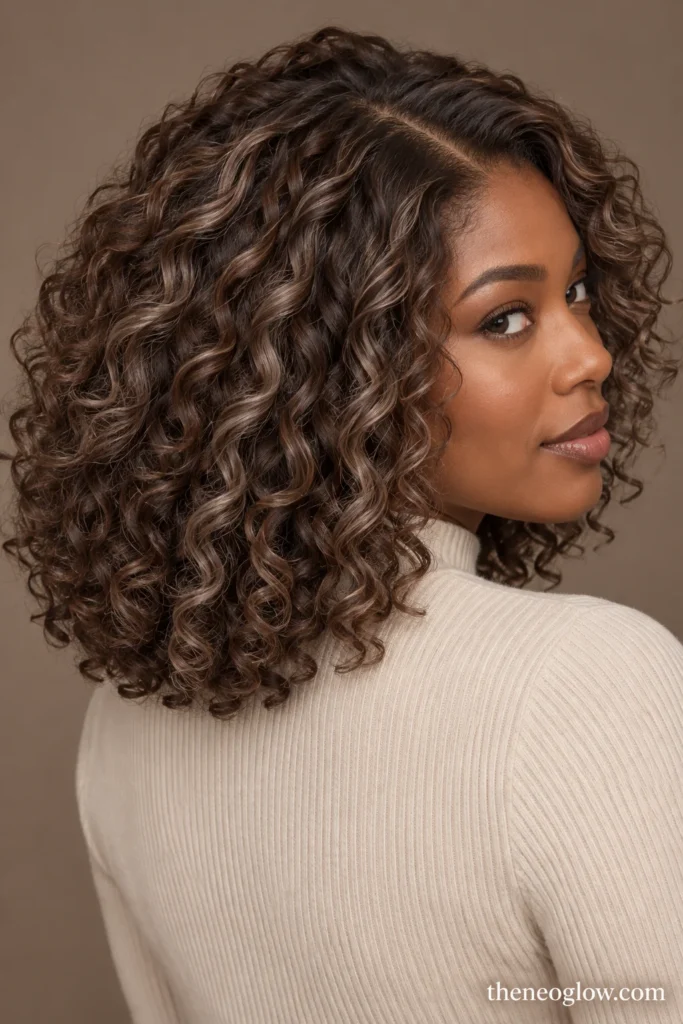
Start with medium brown and add narrow cool-brown ribbons that lean ash rather than beige or caramel. Keep enough neutral brown between them so the effect stays dimensional instead of gray. The ribbon placement works particularly well when you want movement to reveal the cooler tone.
11. Cool Cocoa Lowlights
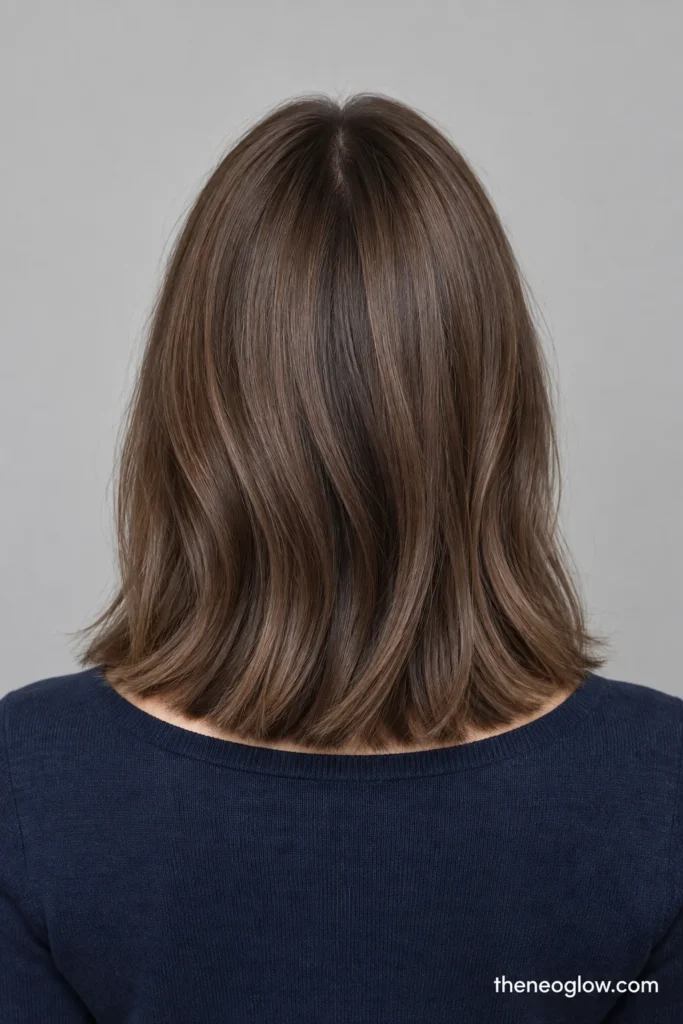
Keep the surface at a medium cocoa-brown and place deeper cool-neutral lowlights underneath and through the mid-lengths. This adds shadow without relying on blonde highlights. It is a practical option when your main goal is richer depth and separation, not a visibly lighter brunette.
12. Greige Brown Face Frame
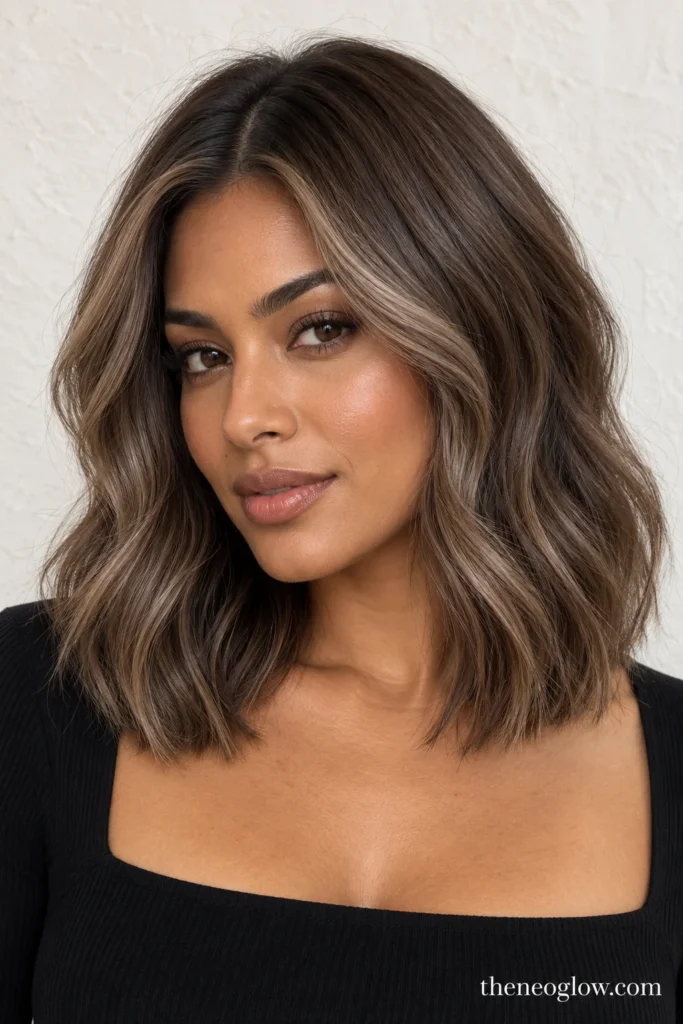
Use a muted brown base and introduce narrow beige-gray pieces around the front hairline, connecting them softly into the lengths. Keep the brightness restrained so the face frame reads as cool brown dimension rather than two blonde panels. This gives the front more definition while preserving a brunette overall look.
Warm Brown Hair Ideas
13. Golden Brown Ribbon Highlights
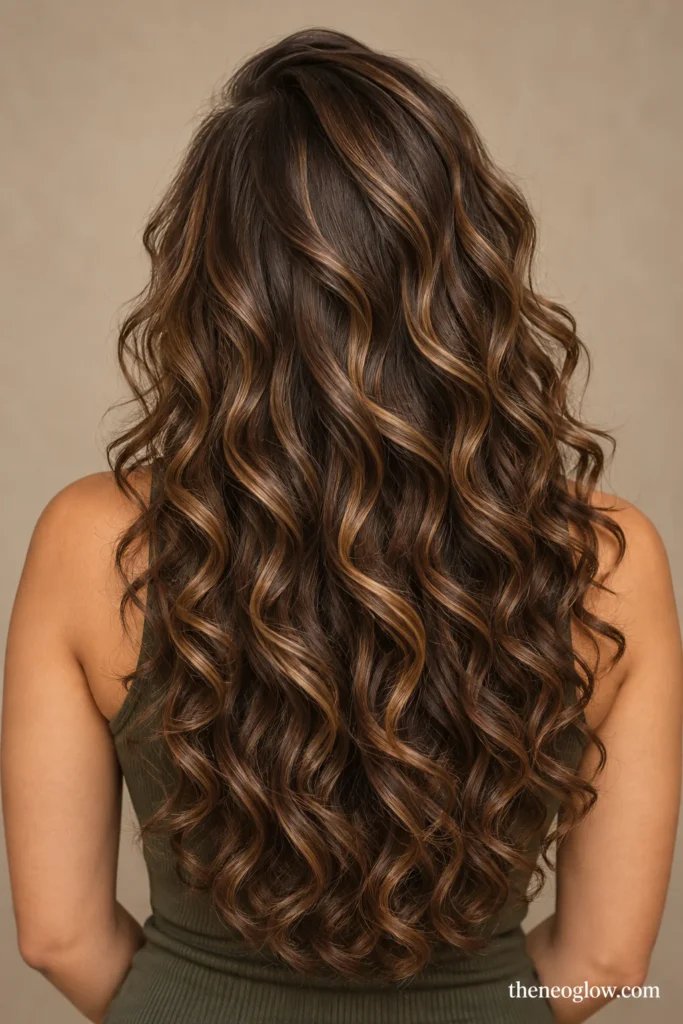
Keep a medium brown base and add wider golden-brown ribbons that are easy to see through movement. These are more noticeable than babylights but should still stop short of blonde. The wider placement can work especially well through long layers, waves, curls, or a blowout where separation is visible.
14. Honey-Caramel Face Frame
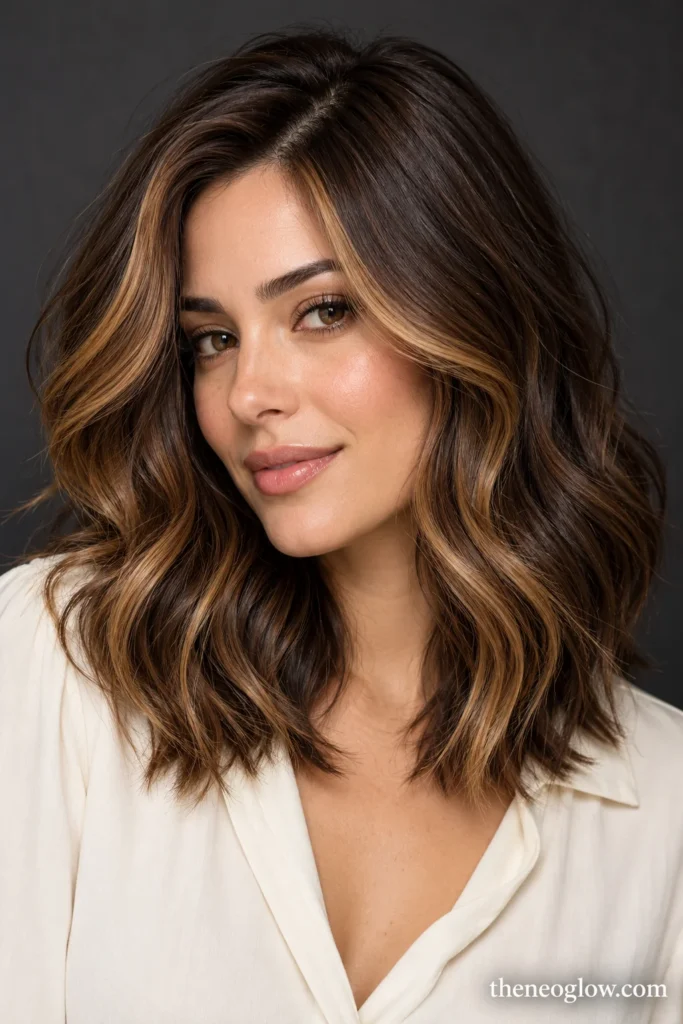
Leave most of the hair medium or deep brown and concentrate honey-caramel brightness around the face, then connect a few lighter pieces into the front lengths. This creates a higher-contrast brown-hair route without changing every section. Decide how bright you want the front before choosing a reference photo.
15. Cinnamon Brown Gloss
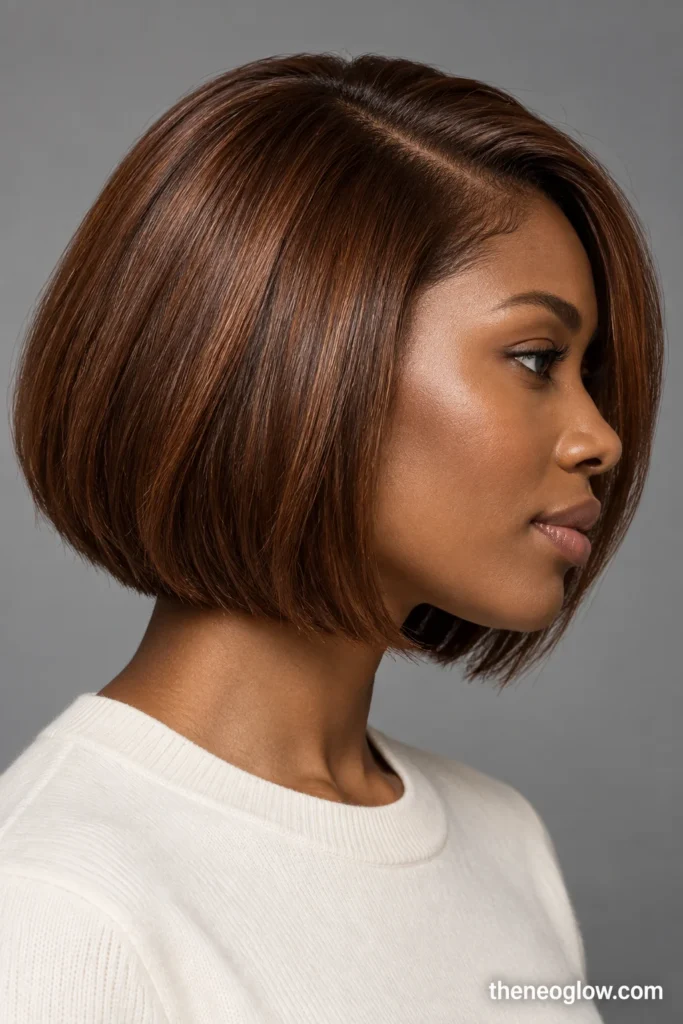
Choose a medium brown with a restrained red-gold cast and keep the color mostly uniform. A glossy finish lets the warmth show as reflection rather than as obvious copper sections. If the red becomes the main visual story instead of the brown, you have moved beyond this page’s brunette-first boundary.
16. Amber Brown Balayage
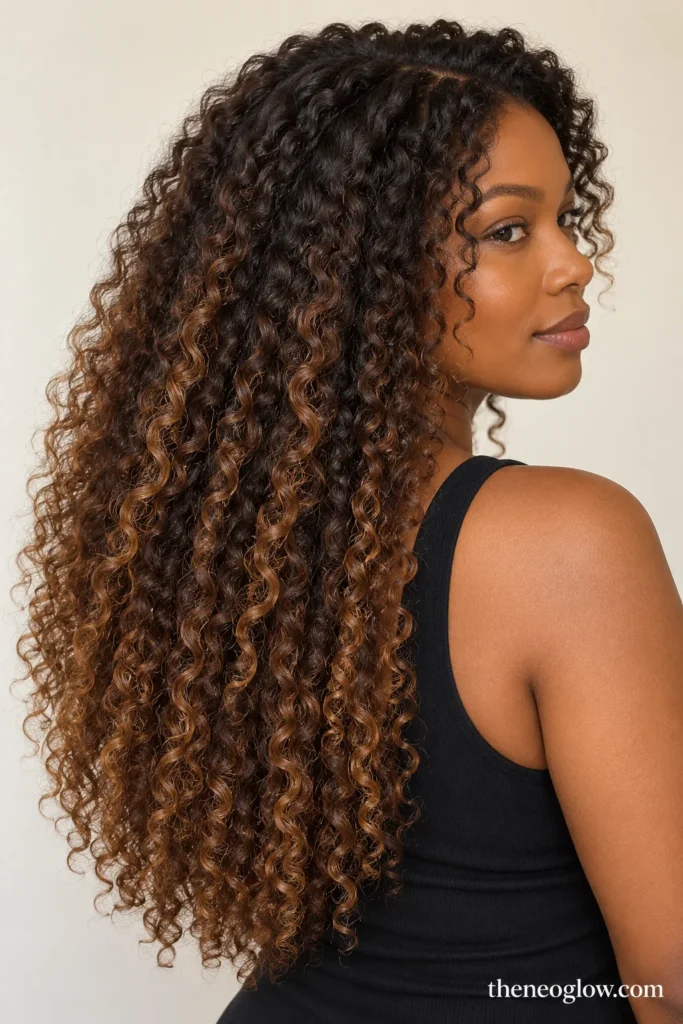
Start with medium-to-deep brunette and paint amber-brown warmth through selected mids and ends. The lightened pieces should read golden-brown rather than orange or blonde. This is a useful warm-dimensional option when you want visible placement but still want the base to dominate the finished color.
17. Maple Brown Melt
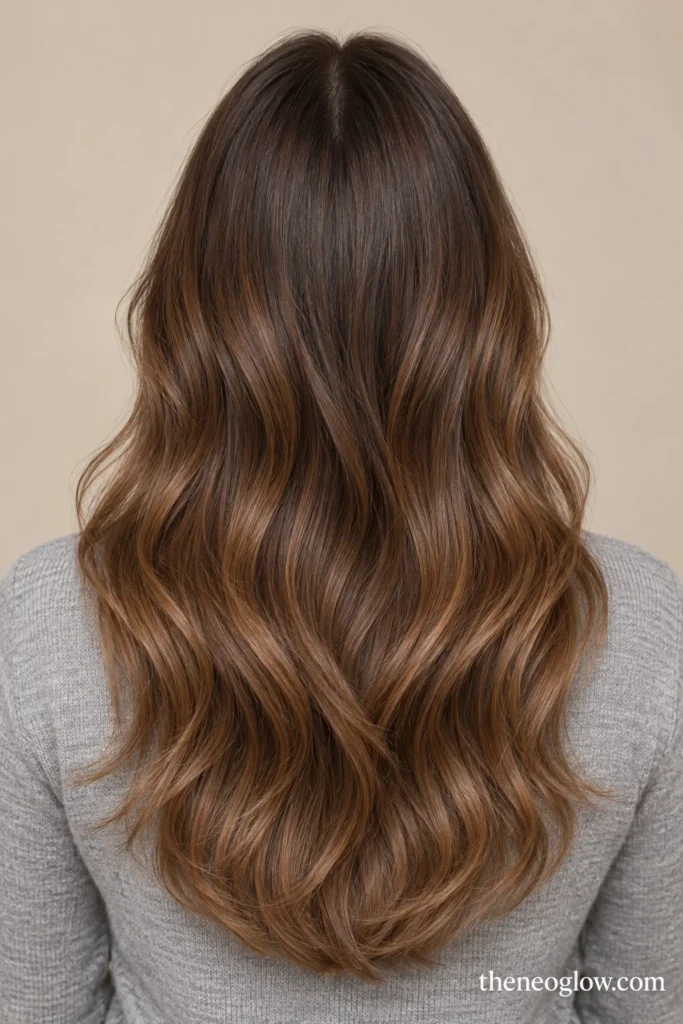
Create a deeper neutral-brown root, then blend into a warmer maple-brown through the mids and ends. The value comes from the gradual temperature shift: deeper and quieter at the top, warmer through the moving lengths. Keep the transition seamless rather than separating the hair into obvious color bands.
18. Chestnut Brown With Copper Micro-Ribbons
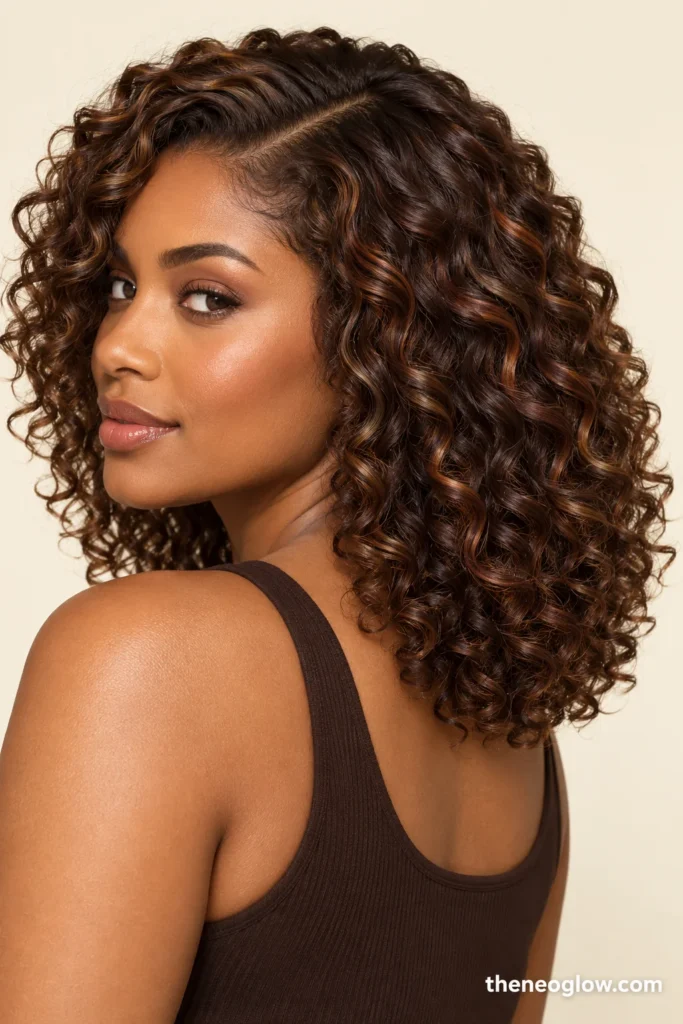
Use chestnut-brown as the main color and add very fine copper-brown ribbons rather than broad red highlights. The warm pieces should be small enough that the hair still reads brown first. This gives a subtle red-gold flicker in movement without turning the result into a full copper look.
Dark Brown Hair Ideas
19. Deep Mocha Gloss
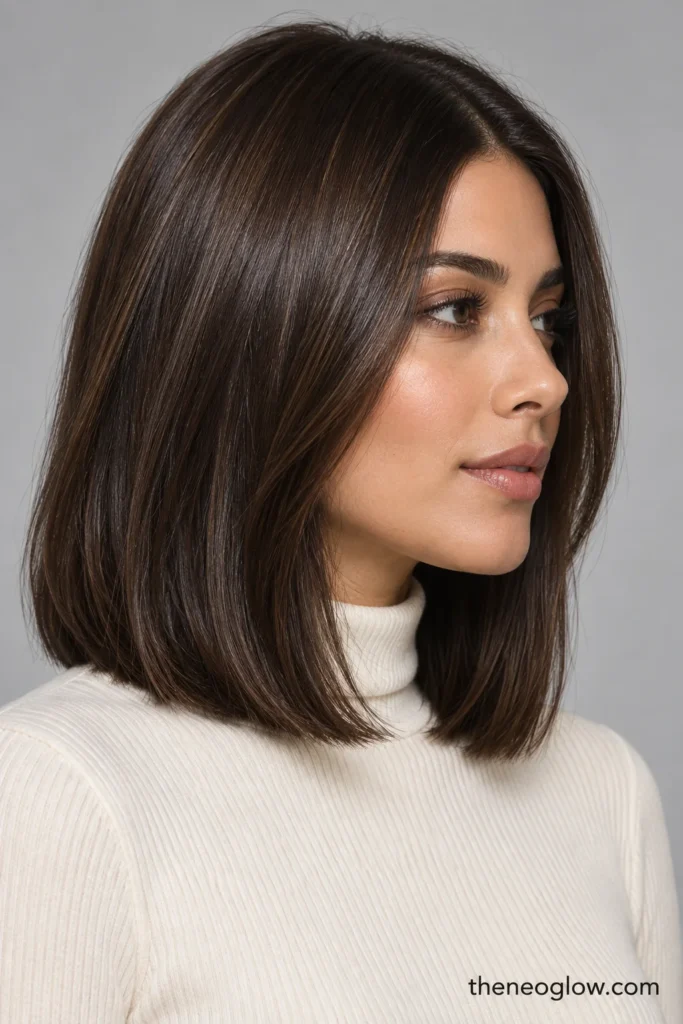
Take brunette darker with a deep neutral mocha that stays visibly brown in ordinary light. Keep highlights minimal and let gloss and tonal variation create movement. This is different from black hair because the brown reflection remains part of the look, especially around bends, curls, and the outer surface.
20. Espresso Brown With Fine Caramel Threads
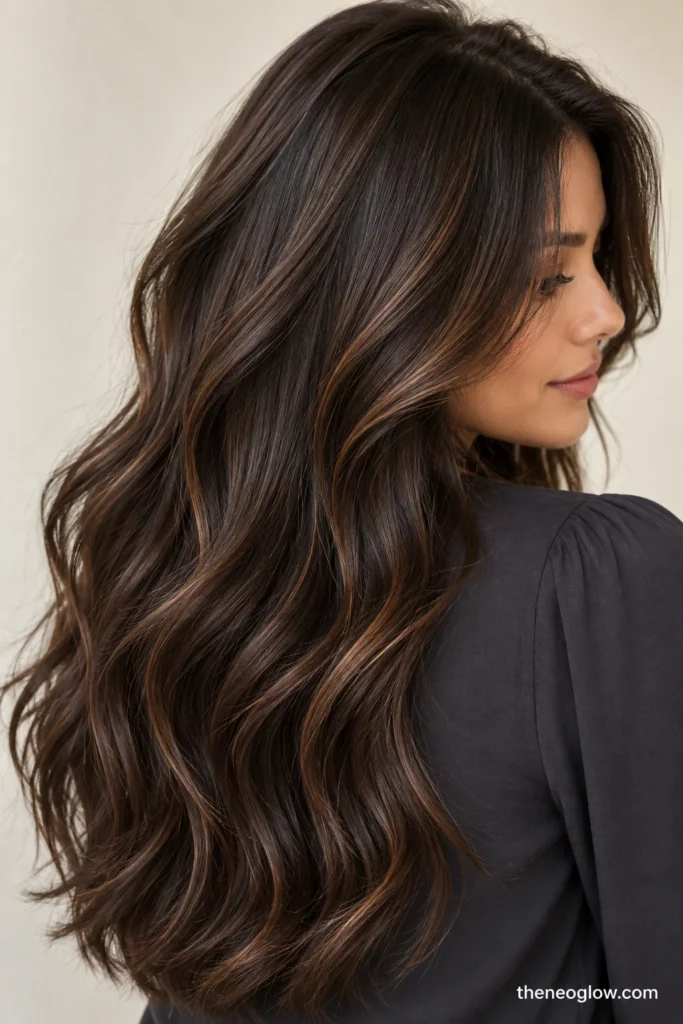
Use a deep espresso base and introduce a small number of very narrow caramel-brown threads through the mids and ends. The lighter pieces should not overwhelm the dark foundation. This gives deep brown hair a readable contrast while keeping the overall effect much darker than classic caramel highlights.
21. Coffee Brown With Walnut Lowlights
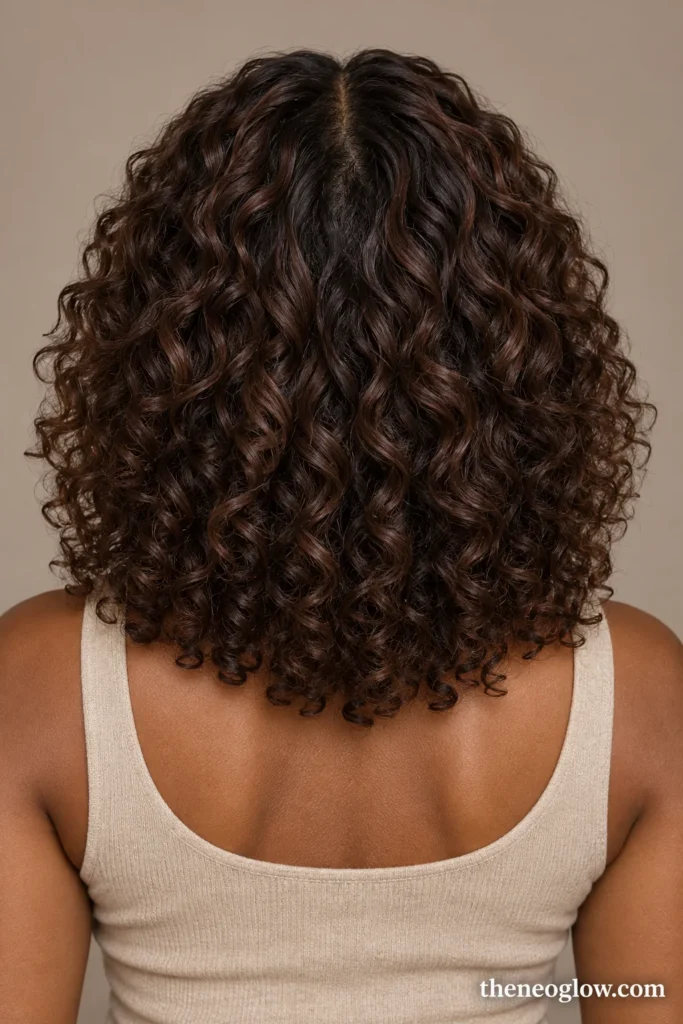
Start with rich coffee-brown and add even deeper walnut-brown lowlights through the interior. Instead of brightening the hair, this route creates dimension by adding shadow. It can be especially effective when the surface already has enough light reflection and you want the color to feel deeper without going near-black.
22. Soft Black-Brown Color Drench
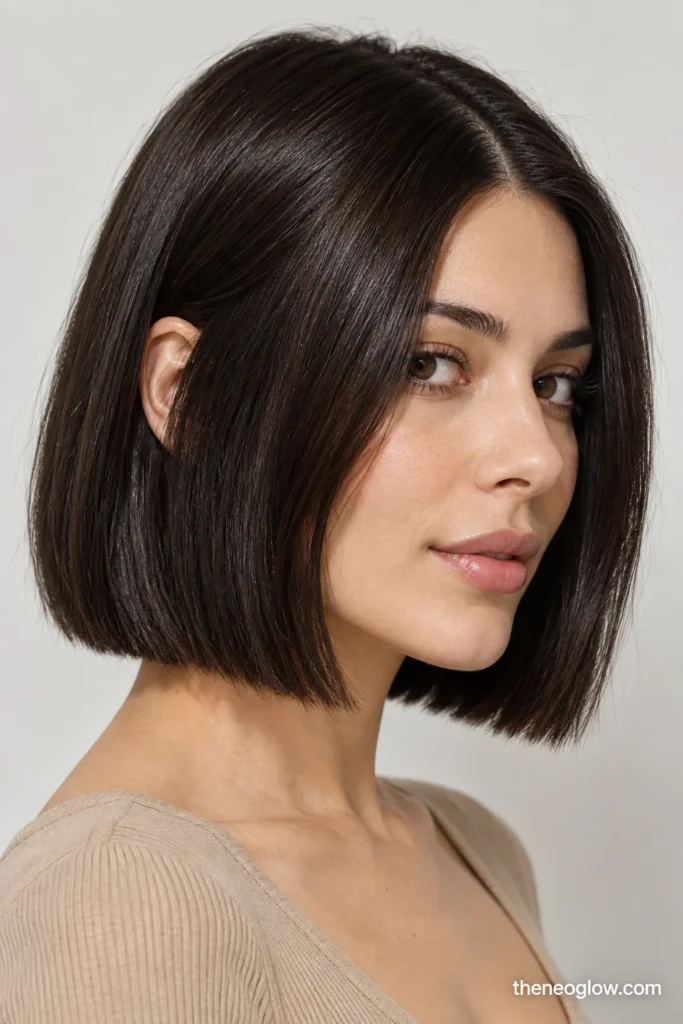
Choose the deepest end of the brown spectrum: a near-black brunette that still shows brown reflection under stronger light. Keep the result uniform with only ultra-subtle tonal movement. If your goal is true inky black rather than brown, the broader Hair Color Ideas page is a better place to compare that separate color family.
23. Deep Brown With Reflective Cocoa Ends
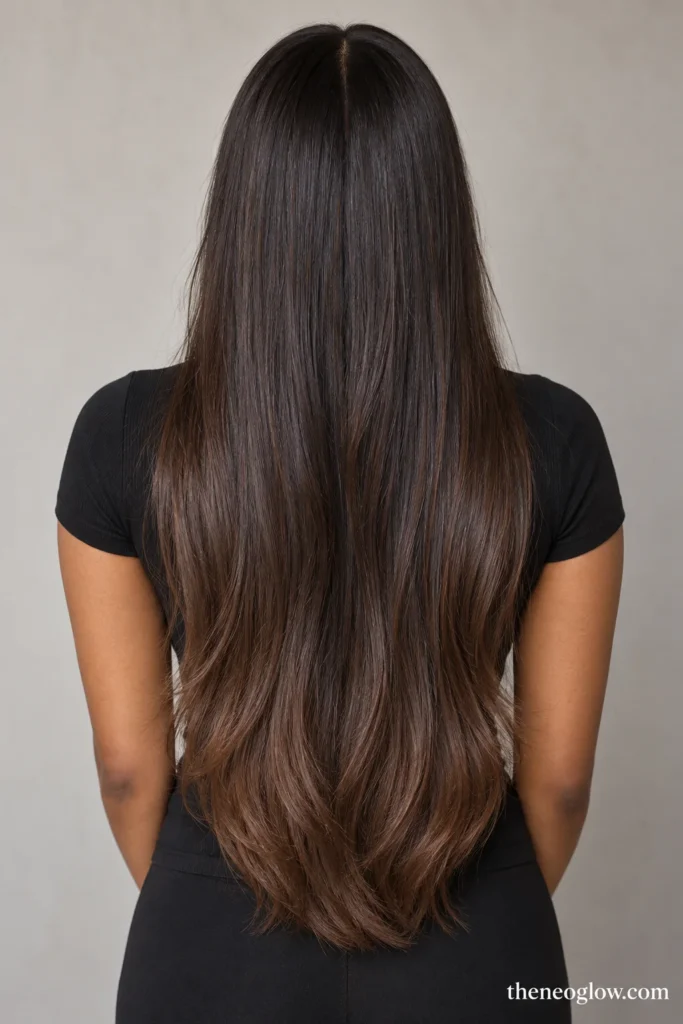
Keep the roots and upper lengths deep brown, then let the ends shift slightly lighter into cocoa. The difference should be narrow enough to look melted rather than ombré. This route gives long or medium hair a visible depth change without introducing obvious blonde, copper, or red pieces.
24. Espresso Root Melt Into Rich Brown
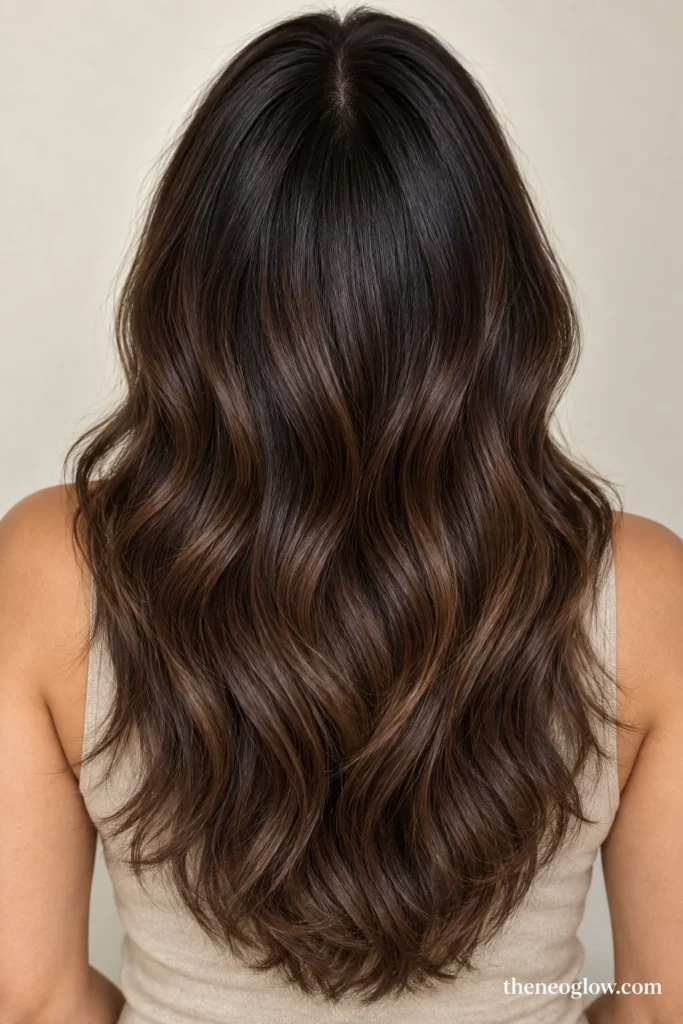
Use your deepest espresso at the root and blend into a slightly lighter rich brown through the mids and ends. Unlike a highlight pattern, the color change follows depth from top to bottom. It is a strong reference when you want dark roots, softer lengths, and no stripe-like contrast.
How to Choose Between Light, Medium, and Dark Brown
If you already have brown hair, start by deciding whether you actually want a different depth or simply a different undertone. Moving from neutral medium brown to honey brown can feel significant without a dramatic change in level. Moving from deep brunette to visibly light brown is a different project because it may require more lightening.
Contrast matters just as much. Babylights and lowlights create small changes between strands. A face frame concentrates contrast at the front. Balayage moves the change through selected lengths. A color drench keeps the whole result much more uniform.
Your haircut and texture also affect how placement reads. Broad ribbons may be obvious on long waves but appear more broken up on tight curls or heavily layered hair. That does not make one texture better suited to color; it simply means a useful reference should show a placement pattern that can translate to your own hair.
Brown Hair Color Safety and Maintenance
At-home brown color is still hair dye, even when the finished shade looks close to your natural color. Follow the directions and timing for the exact product you are using. The FDA’s hair-dye safety checklist advises doing the instructed skin test every time, wearing gloves, rinsing the scalp well, and not mixing different hair-dye products.
Lightening deserves separate consideration. The American Academy of Dermatology notes that lightening hair more than three shades typically requires stronger peroxide exposure and can cause more damage. If the brown reference you saved is much lighter than your current color, or if you have previous permanent dye, bleach, relaxers, perms, or other chemical services, discuss that history before assuming the result can be reached in one session.
A strand test and an allergy or skin test answer different questions. A strand test can show how a particular color develops on a small section of hair; it should not be treated as a replacement for the product’s skin-allergy instructions.
What to Save for a Color Consultation
Save one or two images, but also save the wording that explains why you chose them. Note your preferred depth, undertone, lightest visible pieces, and root contrast.
“Medium neutral brown with soft taupe balayage and a slightly deeper root” gives a colorist more usable information than “expensive brunette.” So does “deep espresso brown with only a few fine caramel-brown threads and no bright blonde.”
Your starting color and previous chemical history still matter, so treat every photo as a direction rather than a guaranteed formula.
Keep the Brown Family Clear
The easiest way to choose brown hair is to decide what you want to keep brown. You can brighten the face, warm the mids, cool the surface, deepen the root, or add shadow with lowlights without turning the whole result into another color family.
If you are still comparing brunette against blonde, copper, red, or black, go back to NeoGlow’s 25 Hair Color Ideas guide. If your priority is a fall-specific palette, continue to the 24 Fall Hair Colors 2026 guide. Otherwise, save the brown shade-and-placement wording that matches your real starting point and use it as your next reference.