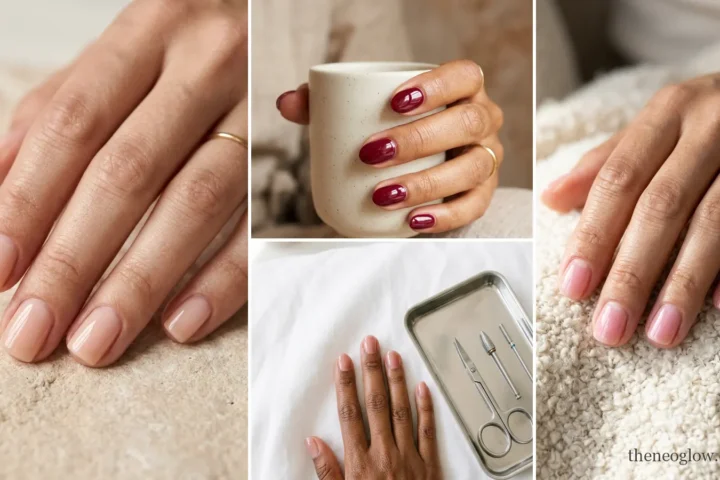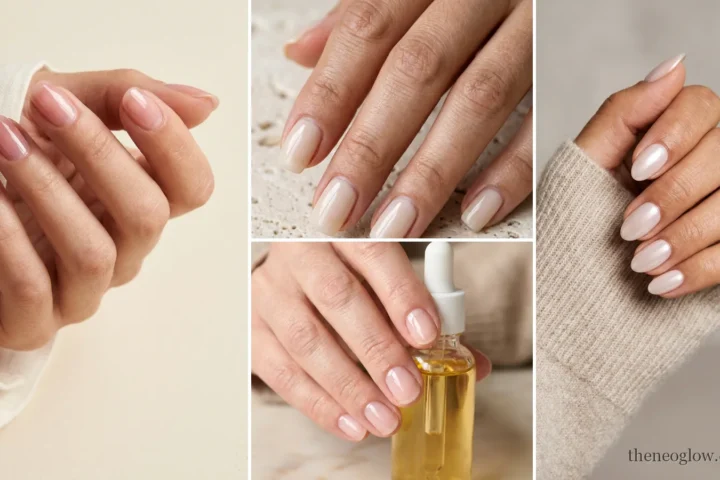
If you have ever spent twenty minutes gluing on a gorgeous press-on set only to watch your thumb nail pop off in the grocery store parking lot the next afternoon, you are not alone. Most people blame the plastic tip or buy a harsher bottle of glue when the real culprit happens five minutes before the glue cap ever comes off.
Knowing how to make press-on nails last 2 weeks comes down to treating your natural nail plate with the exact same surface chemistry a salon nail technician uses before laying down structured gel. Oil, invisible cuticle skin, trapped air pockets, and oversized sidewalls break adhesive bonds long before everyday handwashing does.
Whether you love luxury soft-gel press-ons from Glamnetic and Olive & June or grab a $9 Kiss imPRESS kit from Target before a weekend trip, the six-step salon prep system below transforms ten-minute stick-ons into a watertight, natural-looking 14-day manicure—without shredding your real nails when it is time to take them off.
Why Press-On Nails Pop Off After Two Days (And How to Stop It)
Cyanoacrylate nail glue is remarkably strong—it is chemically close to medical skin adhesive—yet it has two sworn enemies: microscopic surface lipids (your skin’s natural sebum) and moisture trapped beneath the fake nail. Even freshly washed hands leave behind soap residue and hydrated, swollen nail keratin that contracts as it dries.
When your natural nail shrinks slightly after water exposure while a rigid press-on stays fixed, the bond shears right at the edges. Once a hairline gap opens at the cuticle or sidewall, shower water slips underneath and lifts the entire tip within hours.
- Unremoved invisible cuticle: That thin, translucent layer of dead skin hugging the base of the nail plate blocks glue from bonding to solid keratin.
- Oversized tips touching skin: Any press-on edge resting on your lateral skin folds flexes every time you type or button jeans, prying the nail loose.
- Air bubbles in the glue bed: A single dry dab in the center leaves hollow pockets around the perimeter where water collects and encourages premature lifting—or worse, greenish bacterial staining.
- Soaking hands right before or after application: Applying nails straight out of a hot shower is the fastest way to cut a 14-day manicure down to 48 hours.
Glue vs. Adhesive Tabs vs. Semi-Solid Gel: Wear-Time Comparison
Not every event calls for a 14-day commitment. Picking the right adhesive system—and pairing it with your exact wear goal—saves both time and natural nail strength. Here is how the four main press-on bonding methods stack up in real-world wear.
| Adhesive Method | Expected Wear Time | Waterproof Rating | Best For | Removal Difficulty |
|---|---|---|---|---|
| Brush-On Cyanoacrylate Glue (e.g., Beauty Secrets, Glamnetic) | 10–14+ Days | High (with dry prep) | Everyday 2-week salon wear & full coverage | Moderate (15-min warm oil/water or acetone soak) |
| Dropper Liquid Nail Glue (e.g., Kiss PowerFlex) | 7–12 Days | High | Quick touch-ups & handbag emergencies | Moderate (warm soapy oil soak) |
| Jelly Sticky Adhesive Tabs | 1–4 Days | Low–Moderate | Weddings, photo shoots & reusing custom sets | Very Easy (5-min warm water peel) |
| Tab + Glue Hybrid Method | 7–10 Days | Moderate–High | Thin or sensitive natural nails needing cushion | Easy–Moderate (minimal natural nail stress) |
| UV Semi-Solid Gel Glue (Clear Tips ONLY) | 14–21 Days | Very High | Translucent soft-gel tips ONLY (never opaque sets) | High (requires proper acetone soak-off) |
Critical Safety Note on UV Gel Glue: Never cure UV gel nail glue underneath opaque, dark, or heavily painted press-ons. UV/LED light cannot penetrate solid pigment, leaving uncured acrylates trapped directly against your nail bed—the number-one trigger behind permanent gel nail allergy symptoms. Stick to air-dry cyanoacrylate brush-on glue for every painted or opaque set.
How to Make Press-On Nails Last 2 Weeks: The 6-Step Salon Prep Routine
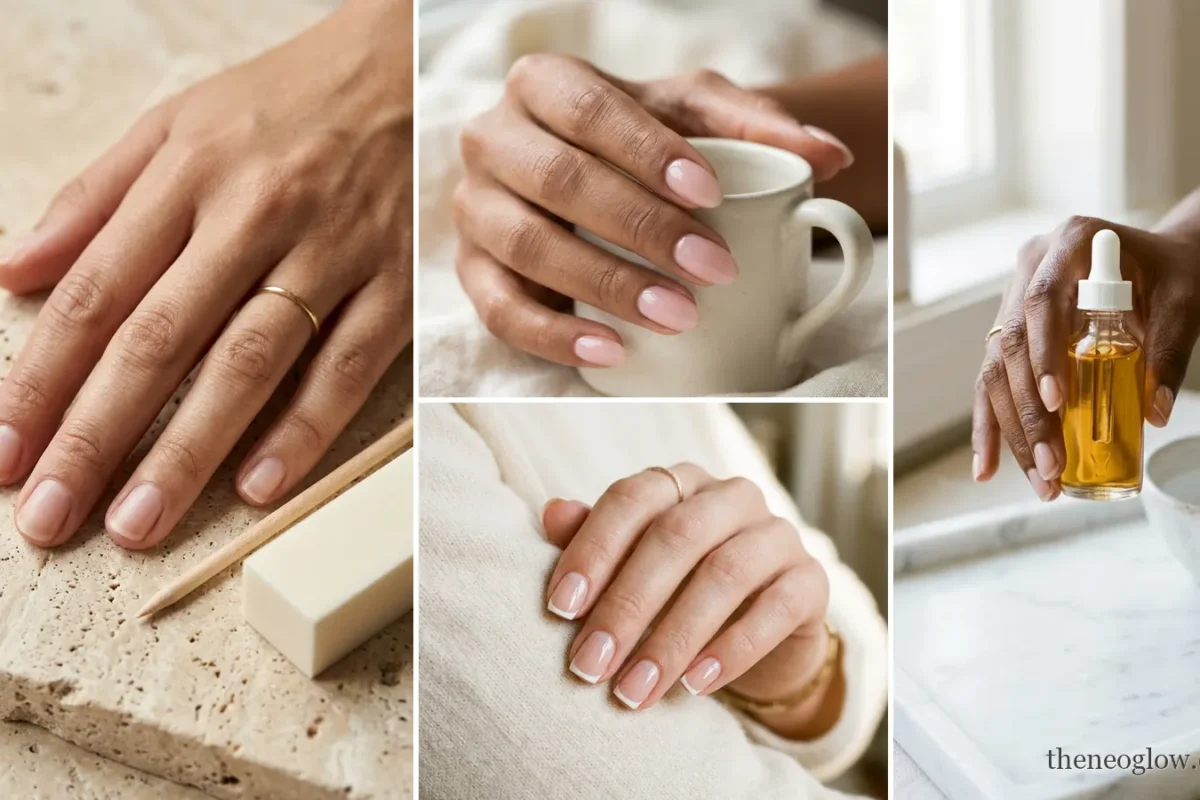
Plan to do your application at night right before bed. Giving cyanoacrylate glue six to eight completely dry, handwash-free hours to reach full cross-linked cure strength can literally double your wear time.
Step 1: Size Every Finger First (And Custom-File the Cuticle Curve)
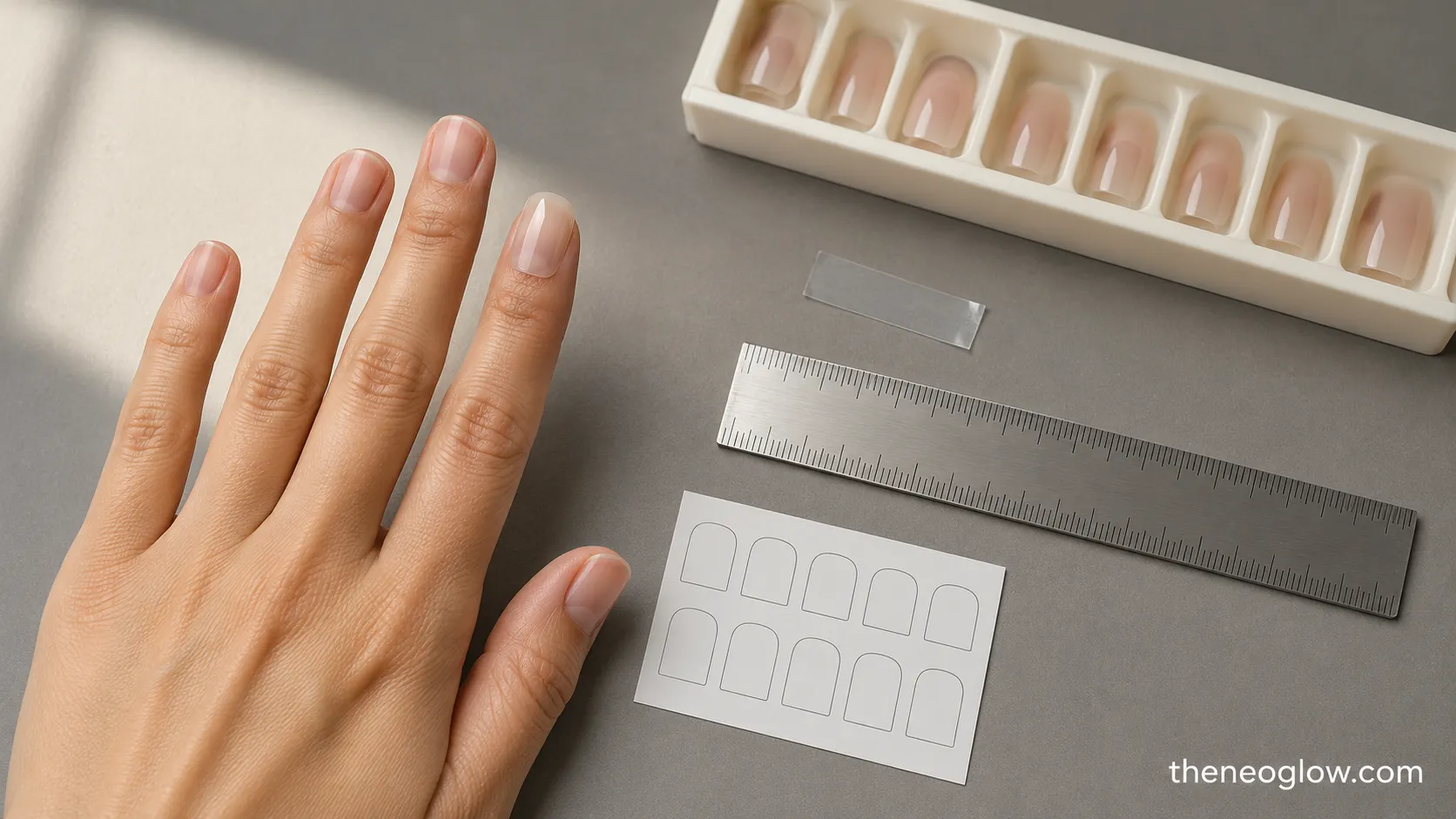
Line up all ten press-ons in order on a paper towel before touching glue. If a nail falls strictly between two sizes, always pick the slightly narrower size—or choose the larger tip and file both sidewalls smoothly with a 180-grit board until it sits flush from sidewall to sidewall without touching surrounding skin.
Check the base curve against your own cuticle shape, too. Most drugstore press-ons have a rounded oval base; if your cuticles are flatter or squarer, gently reshape the bottom edge with a fine file so it tucks cleanly without gaps. For exact millimeter sizing tricks, bookmark our press-on nail sizing guide.
Step 2: Dry-Prep Your Cuticles and Remove Invisible Pterygium
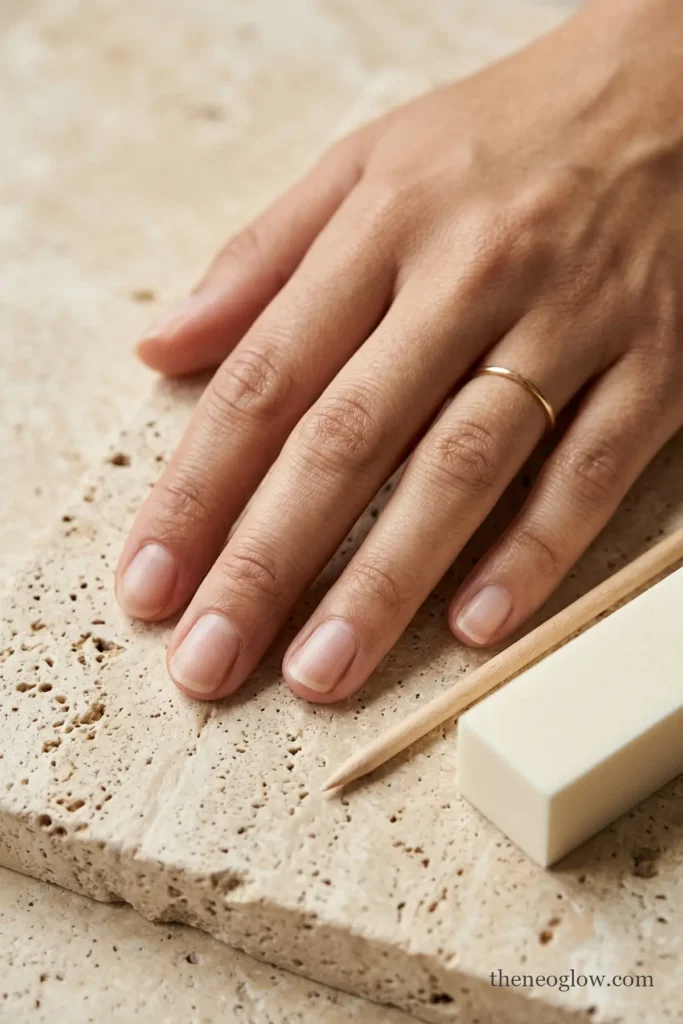
Skip the warm water bowl! Use a wooden orangewood stick or clean stainless pusher to gently push back your proximal nail fold and sweep away the thin, chalky cuticle layer stuck to the nail plate itself. According to the American Academy of Dermatology’s healthy nail tips, avoiding aggressive cutting of living cuticle skin protects your nail matrix against painful paronychia infections.
If you use a liquid cuticle remover, scrub every trace off with a dry nail brush and alcohol afterward—alkaline residue left behind neutralizes nail glue on contact.
Step 3: Lightly Etch Both Surfaces (Natural Plate + Inside of the Press-On)
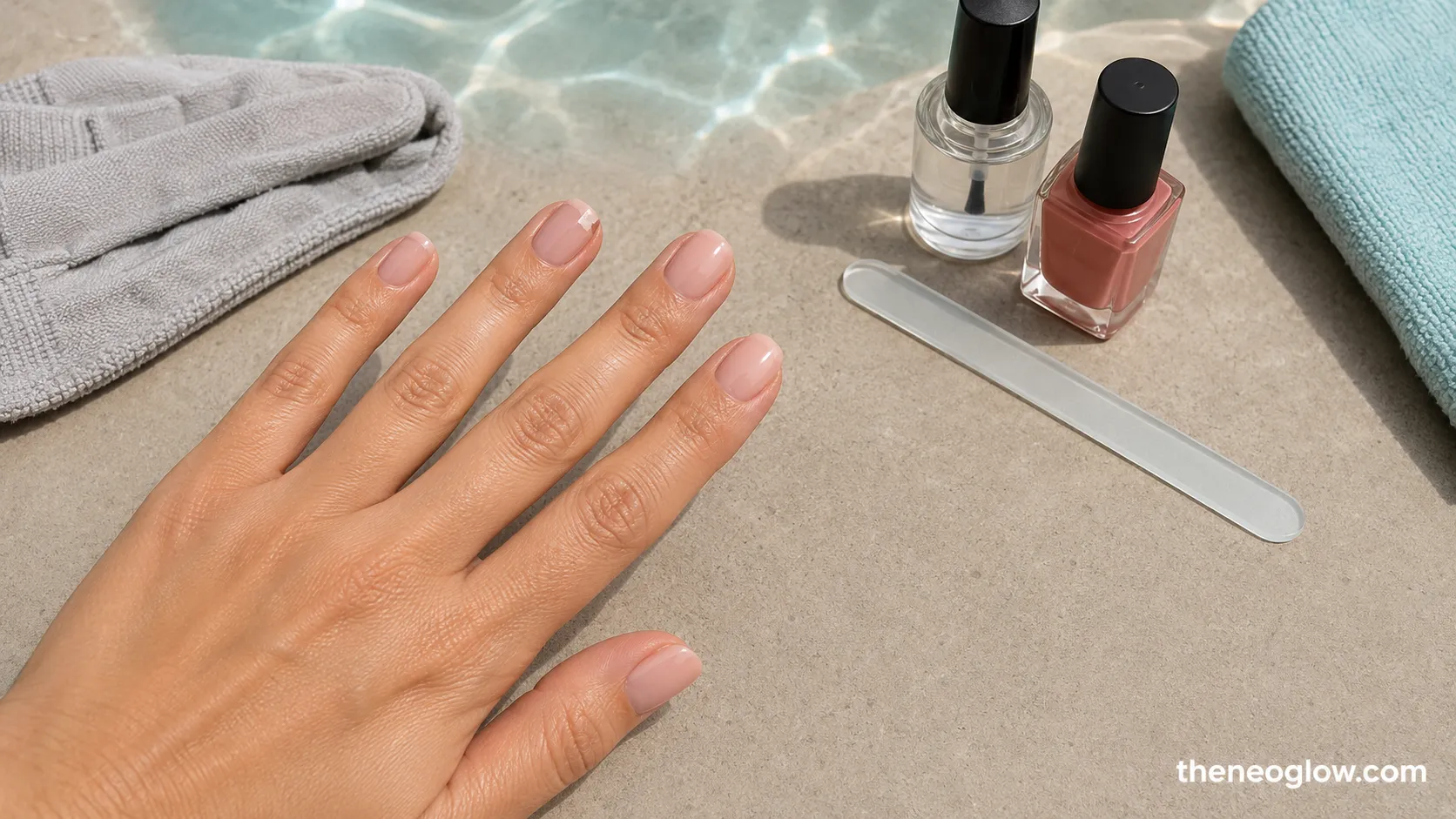
Think of nail glue like paint on glass versus paint on lightly sanded wood. Take a soft 180-to-240-grit sponge buffer and make two or three feather-light passes over each natural nail just until the natural surface shine turns velvety matte. Never file aggressively or thin the plate.
Here is the salon insider move almost everyone skips: lightly rough up the underside of each press-on nail where it contacts your natural bed using a slim emery board or a quick swipe of acetone on a cotton swab. Removing the slick factory mold-release sheen lets the glue lock into both surfaces simultaneously.
Step 4: Double-Dehydrate With 91% Isopropyl Alcohol
Swipe every nail thoroughly with a lint-free pad soaked in 91% (or 99%) isopropyl alcohol—or pure acetone if your natural nails run oily. Scrub around the lateral folds and cuticle rim, then let your nails air-dry for 30 seconds until they look chalky white. Do not touch your hair, face, or phone screen from this point onward!
Step 5: Use the Dual-Coat Glue + 45-Degree Cuticle-Tuck Technique
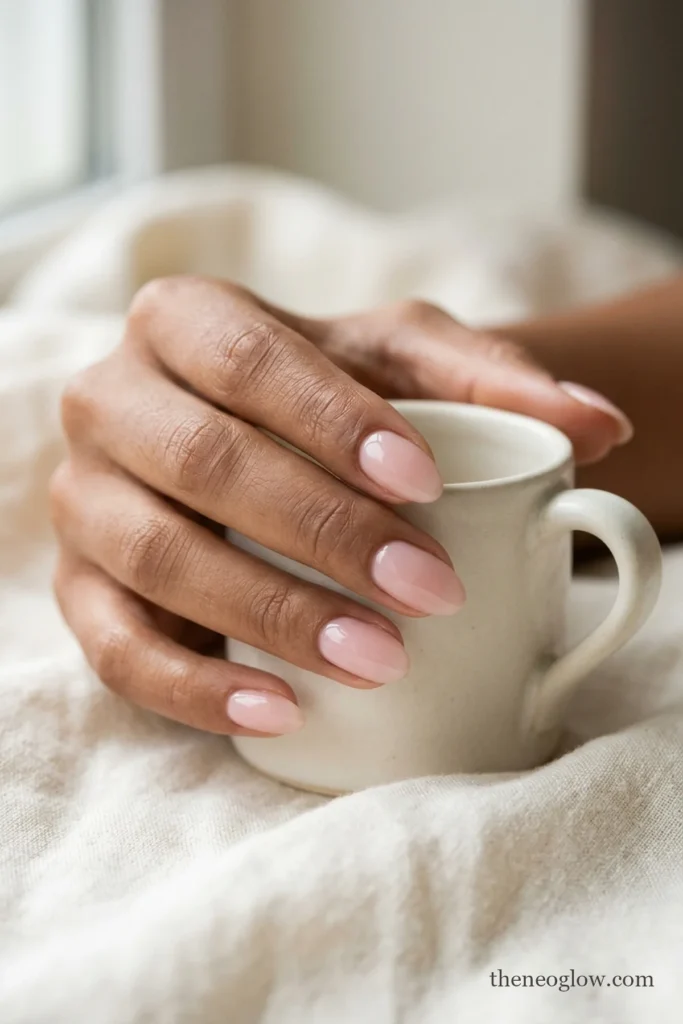
For true 14-day retention, skip the single center bead. Using a brush-on adhesive like Beauty Secrets Drip & Clog Proof Nail Glue, Glamnetic Brush-On Nail Glue, or Olive & June Super Stick, paint one thin, even coat across your entire natural nail plate, then place a tiny pea-sized dot on the underside center of the press-on.
Align the base of the press-on at a 45-degree downward angle just barely tucked right up to (never overlapping onto!) your pushed-back cuticle skin. Gently lower the nail forward toward the free edge in one smooth rocking motion. That angled roll pushes trapped air straight out the tip instead of sealing bubbles in the middle.
Press firmly across the center, left sidewall, and right sidewall for a full 30 full seconds per finger—not five seconds! Work from pinky to thumb on both hands so you never disturb freshly glued thumbs while applying smaller fingers. For extra visual pointers on seamless placement, check our step-by-step walkthrough on how to apply press-on nails so they look natural.
Step 6: Seal the Perimeter & Respect the 2-Hour Water Freeze
Once all ten nails are set, resist washing your hands, applying cuticle oil, or hopping in a hot bath for at least two hours (and ideally overnight). Water and oil creep straight into micro-seams while cyanoacrylate finishes curing. The next morning, massage lightweight jojoba oil around the skin folds to restore flexibility and instant salon luster.
Best Shapes, Lengths & Brands That Actually Go the Full 14 Days
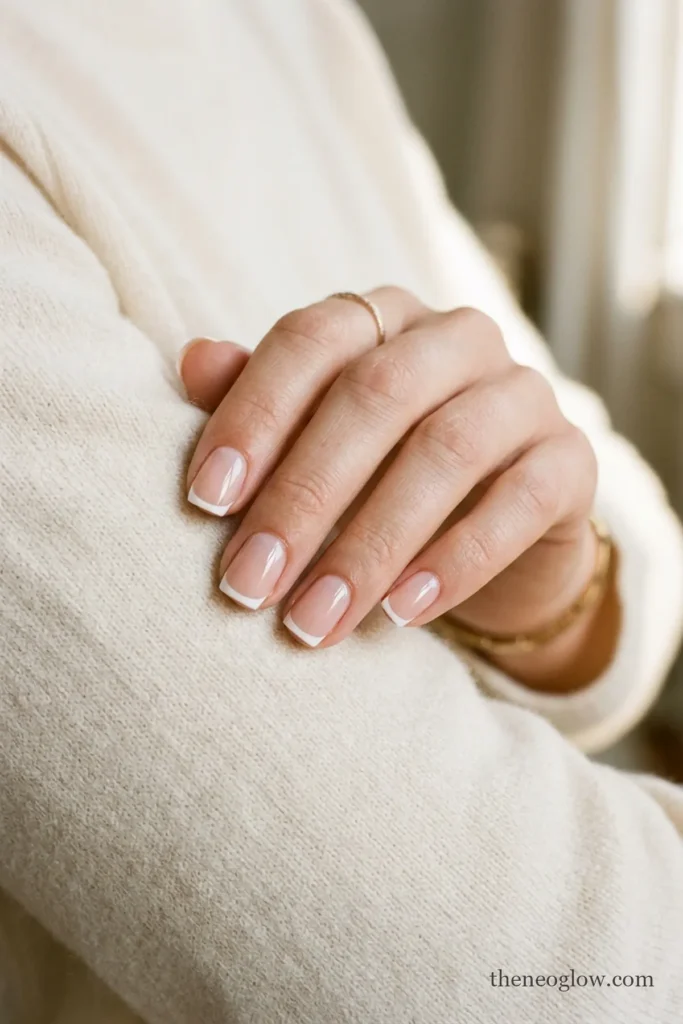
Physics plays a bigger role in press-on longevity than most beauty videos admit. Extra-long coffin or stiletto tips act like tiny crowbars every time you tap a laptop key or buckle a seatbelt, putting ten times the leverage on the glue bond compared with shorter silhouettes.
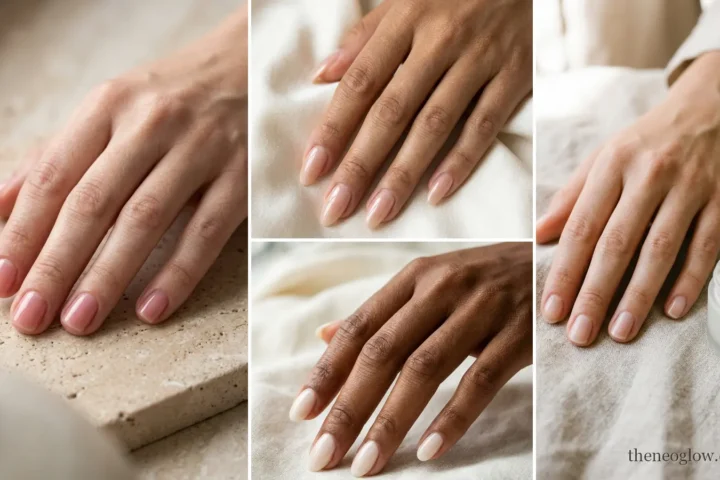
- Highest 14-day retention shapes: Extra-short squoval, short almond nails, and short French nails distribute impact evenly and mirror natural nail curvature.
- Best drugstore & indie press-on brands for durability: Glamnetic (thick salon-grade ABS curvature that resists bending), Olive & June (21 sizes per kit—crucial for flat or narrow beds), Static Nails (reusable flexible apex), and Kiss Salon X-tend / Voguish Fantasy (soft tapered cuticle edges that blend seamlessly).
- How to tell if a set matches your nail C-curve: Hold an unglued tip over your bare nail. If you have to squeeze hard to flatten it—or if there is a visible tunnel gap in the center—that constant spring-back tension will pop the nail off by day three. Browse our best nail shape for short nails guide to pair your natural bed curvature with the most comfortable silhouette.
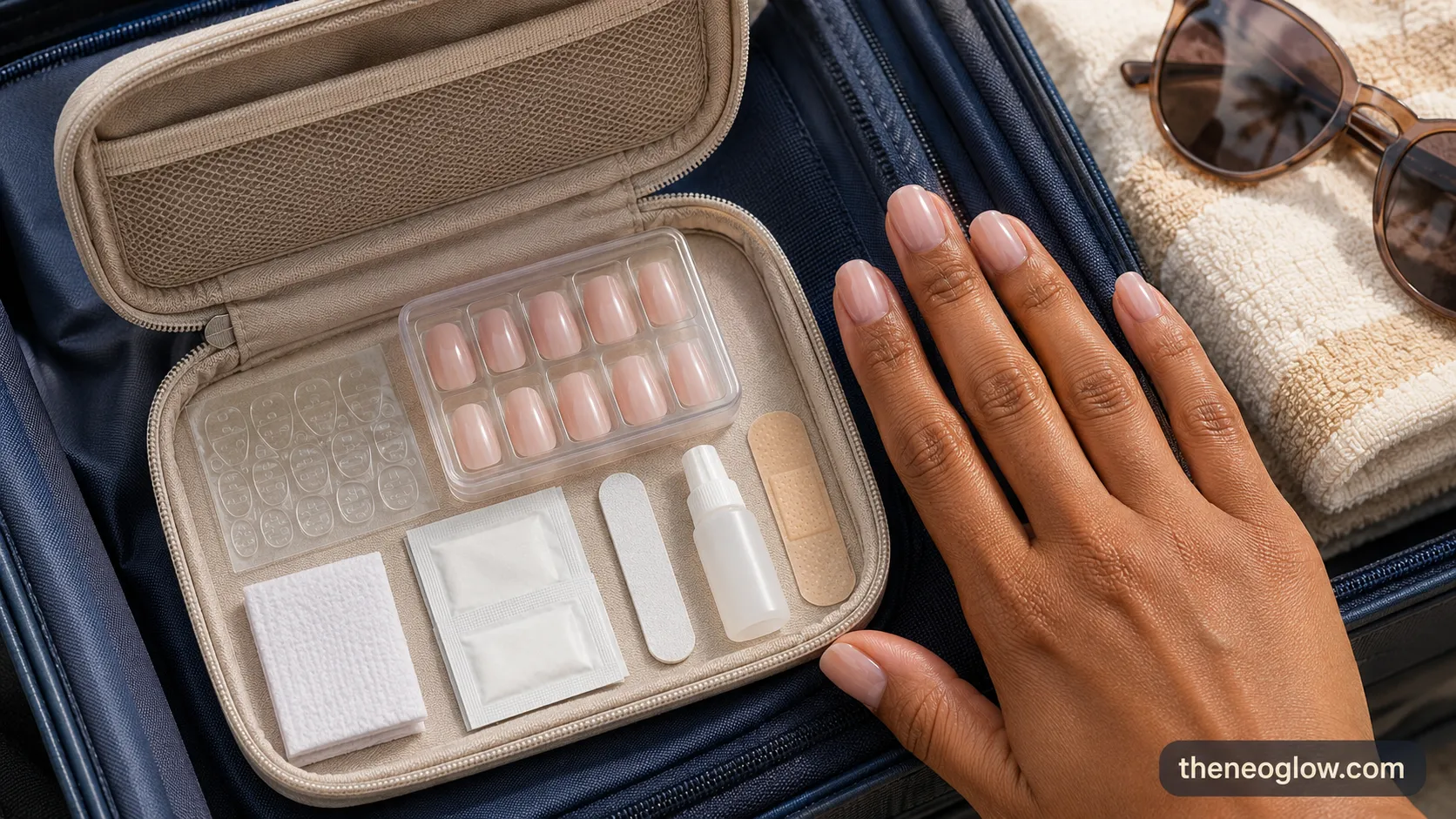
Heading to the beach or packing for a week away? Bring a travel brush-on glue, two alcohol prep pads, and two spare sizes in your toiletry pouch—or follow our dedicated vacation press-on nails checklist to keep every tip intact through pool days and sunscreen.
Everyday Habits That Protect Your 2-Week Bond
Even flawless prep loses to mechanical prying. Treat your press-ons like jewels rather than tools for the next fourteen days and they will stay glossy through workouts, hair-wash days, and typing marathons.
- Wear dish gloves for hot water chores: Dish detergent and prolonged steaming water soften cyanoacrylate bonds faster than anything else.
- Use a silicone scalp scrubber on hair-wash day: Scrubbing shampoo with wet nail tips forces lukewarm water right under the free edge.
- Never ignore a slight corner lift: If one sidewall feels slightly loose on day eight, do NOT just glue over damp skin. Safely soak that single nail off, dry the plate completely with alcohol, and re-bond cleanly—trapping moisture underneath risks a pseudomonas ‘greenie’ stain.
- Refresh shine on day seven: One thin swipe of regular quick-dry clear top coat (like Essie Gel Setter or Seche Vite) restores glass-like luster and seals tiny free-edge scuffs.
How to Remove 2-Week Press-On Nails Without Damaging Natural Nails
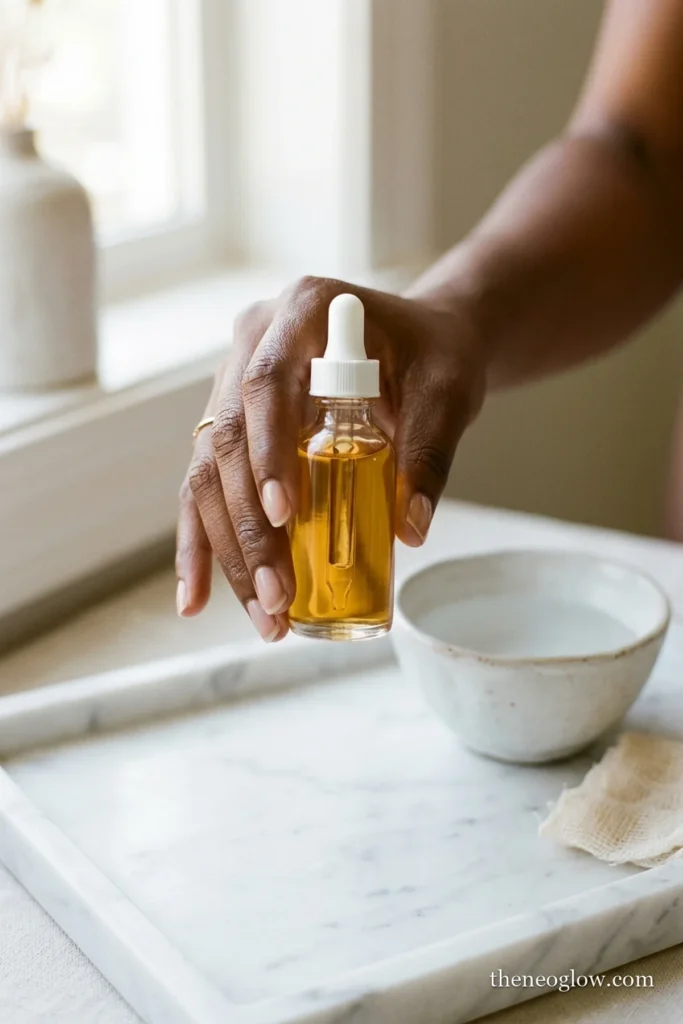
Press-on nails themselves do not ruin your real nails—peeling or prying them off dry strips away the top layers of natural keratin, leaving thin, papery white patches that take months to grow out. Give yourself 15 relaxed minutes with a bowl and a show on Netflix instead.
- Mix a warm oil-and-soap soak: Fill a small bowl with comfortably warm water, two tablespoons of olive, sweet almond, or jojoba oil, and a few drops of gentle liquid dish soap.
- Soak for 12–15 full minutes: Let the warm soapy emulsion creep into the loosened perimeter edges. You can also squeeze a few drops of dedicated press-on remover serum (like Glamnetic Press-On Nail Remover) right along the cuticle seam.
- Wiggle gently with an orangewood stick: Slip a wooden stick underneath one lifted corner and rock gently side to side. If you feel sharp resistance, stop and soak another five minutes—never snap a nail off dry.
- Buff off residual glue and oil up: Use a soft 240-grit sponge buffer to lift remaining soft adhesive flakes, wash hands, and massage rich jojoba-based cuticle oil (such as CND SolarOil or OPI ProSpa) twice daily for 48 hours before applying your next set.
Planning a seasonal nail refresh once your nails feel rested? Explore fresh salon-inspired palettes in our curated Valentine’s Day nails and Nail Art Ideas Hub.
Press-On Nail Longevity Q&A: Your Top Questions, Answered
What is the strongest glue to make press-on nails last 2 weeks?
Brush-on cyanoacrylate glues deliver the cleanest, longest-lasting 14-day bond because they coat the entire nail plate evenly without leaving hollow air pockets. Top salon-tested picks include Beauty Secrets Drip & Clog Proof Nail Glue, Glamnetic Brush-On Nail Glue, and Olive & June Super Stick.
Can I shower with press-on nails on?
Yes! Once cyanoacrylate nail glue cures completely—give it at least 2 hours dry, or ideally overnight—you can shower, wash dishes, and swim normally. Avoid piping-hot soaking baths on day one and use a silicone scalp massager while shampooing so wet tips do not snag hair.
How long should you hold each press-on nail down after gluing?
Hold steady, firm pressure across the center and both sidewalls for a full 30 seconds per nail. Releasing after five or ten seconds allows curved plastic tips to spring upward microscopically, breaking the perimeter seal before the adhesive locks.
Why do my press-on nails keep popping off even when I use nail glue?
The three most common culprits are skipping 91% isopropyl alcohol dehydration, leaving invisible dead cuticle skin along the base of the nail, or wearing tips that are slightly too wide and touch your side skin folds. Sizing slightly narrower and buffing both the natural nail and the underside of the press-on fixes 90% of early pop-offs.
Is it safe to wear press-on nails for 2 weeks straight?
Yes, wearing well-sealed press-on nails for up to two weeks is safe for healthy nails as long as zero water gets trapped beneath lifted edges. If any nail develops a visible gap or feels spongy, soak it off promptly, clean and dry the nail completely, and allow a 24-to-48-hour hydration break between back-to-back sets.
Save this 6-step routine before your next at-home manicure night: once you nail dry cuticle prep, dual-coat brush-on glue, and the 45-degree tuck, two-week salon-grade wear from a $12 box becomes effortless.