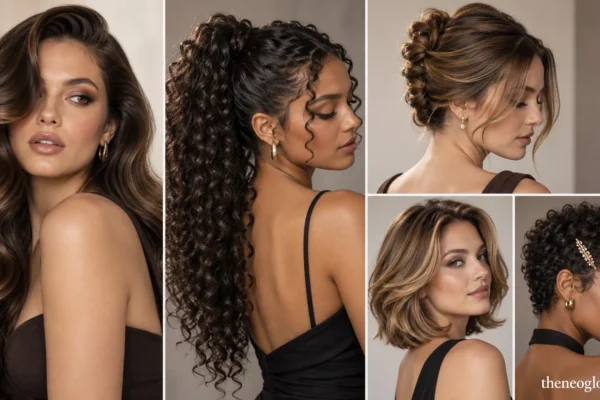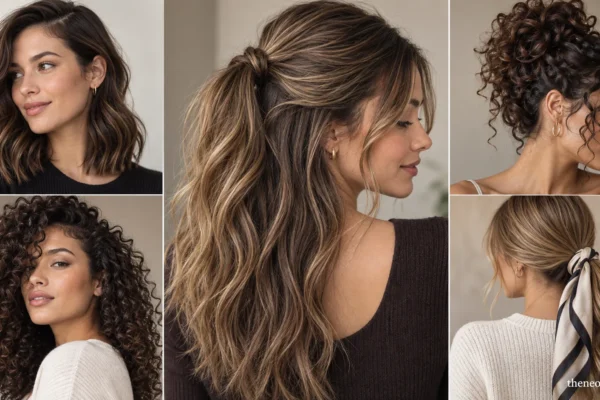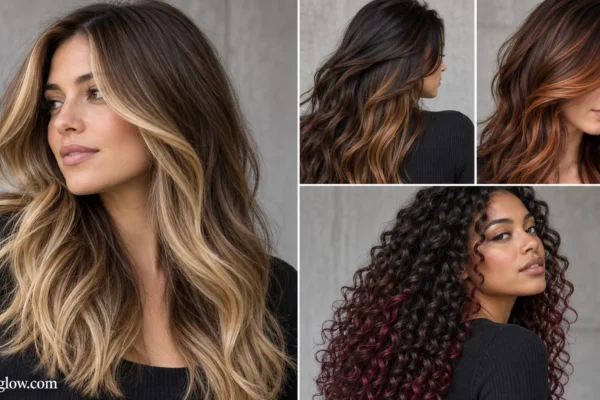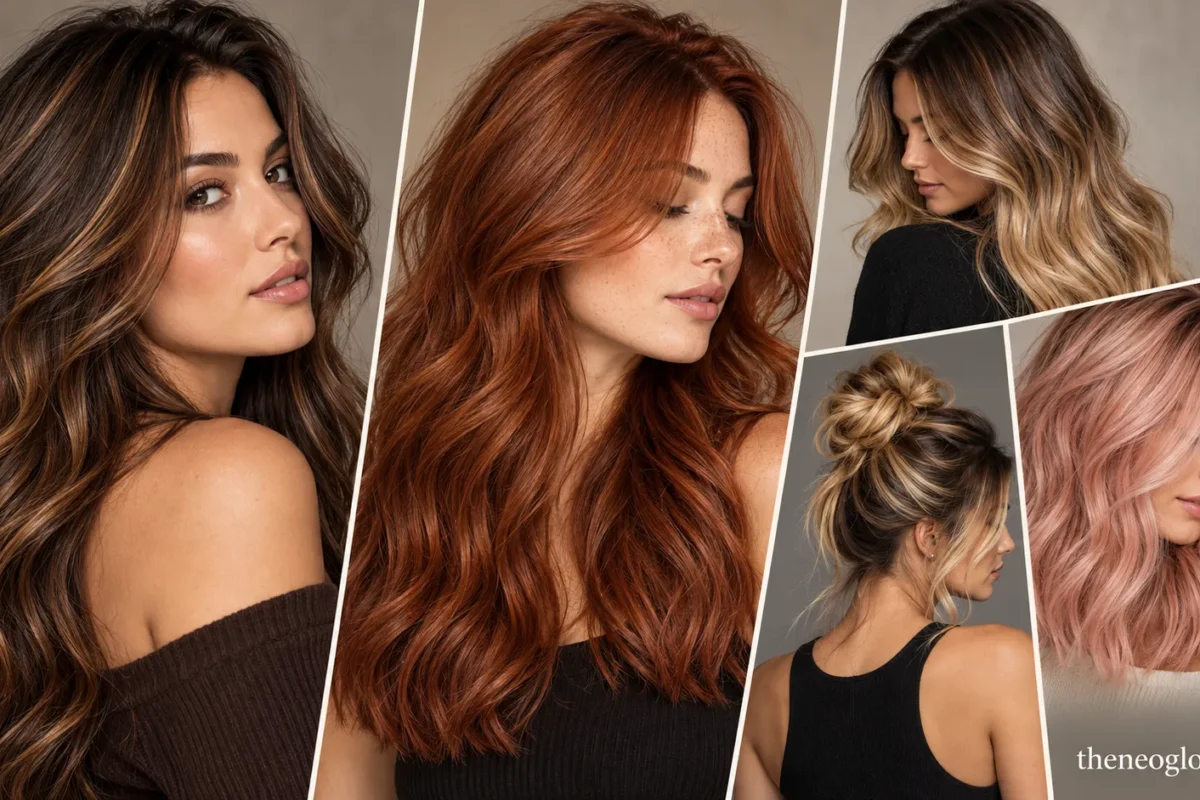
Hair color ideas are easier to sort when you stop asking “Which shade is best?” and start with three practical questions: What depth do you want to keep, how much contrast do you want to see, and how much maintenance are you willing to notice as your roots grow?
Current 2026 beauty reporting spans rich brunettes, warmer reds, softer dimensional blondes, and more personalized placement rather than one single color direction. That makes an evergreen approach more useful: choose a color family first, then decide whether you want an all-over shade, highlights, lowlights, balayage, a brighter face frame, or a softer root transition.
Choose the Kind of Change Before the Shade
| If you want to keep… | Start with… | The visible change comes from… |
|---|---|---|
| Most of your natural depth | gloss, lowlights, subtle ribbons | undertone and reflection |
| A brunette overall look | cocoa, walnut, caramel, red-brown | controlled warmth or lighter placement |
| A blonde overall look | beige, honey, champagne, pearl | tone, root depth, and brightness |
| A softer grow-out | balayage, root melt, dimensional blonde | lower root contrast |
| Maximum impact | inky black, vivid red, pastel, high-contrast blonde | stronger depth or lightness change |
Photos are useful references, but your starting color, previous permanent dye, lightening history, hair condition, and desired upkeep can change what is realistic in one appointment. Treat the names below as visual directions, not guaranteed formulas.
Brunette Hair Color Ideas
1. Soft Espresso Brunette
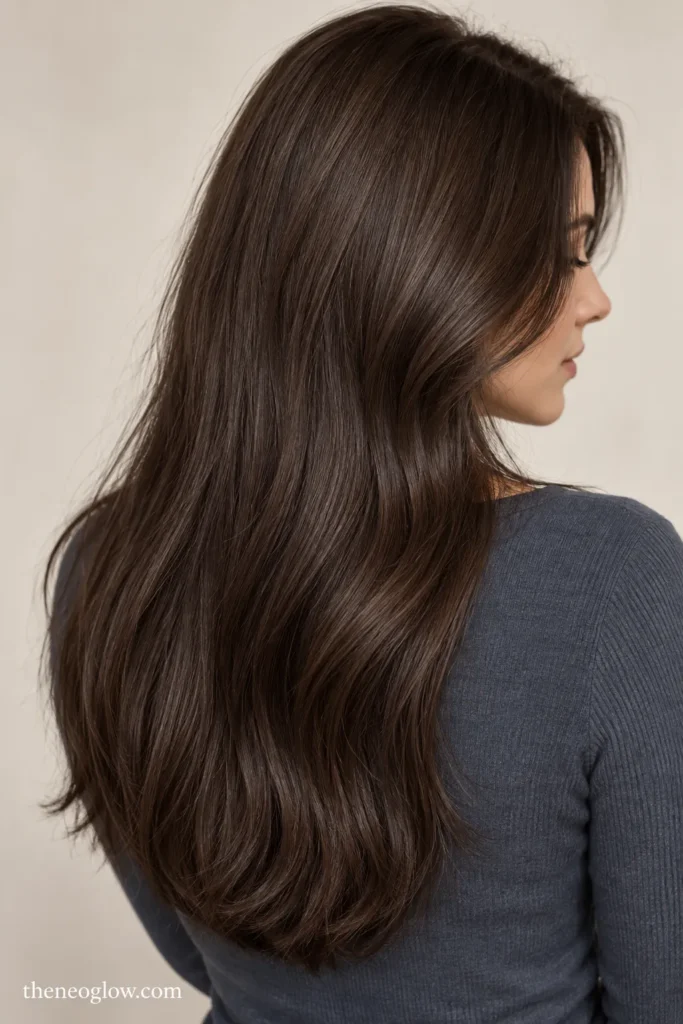
Choose a deep brown that stays visibly brown rather than tipping into flat black. Soft espresso works especially well when you want stronger depth with minimal visible highlighting. Keep enough tonal variation through the lengths that movement still shows in waves, curls, coils, or layers.
2. Neutral Cocoa Brown
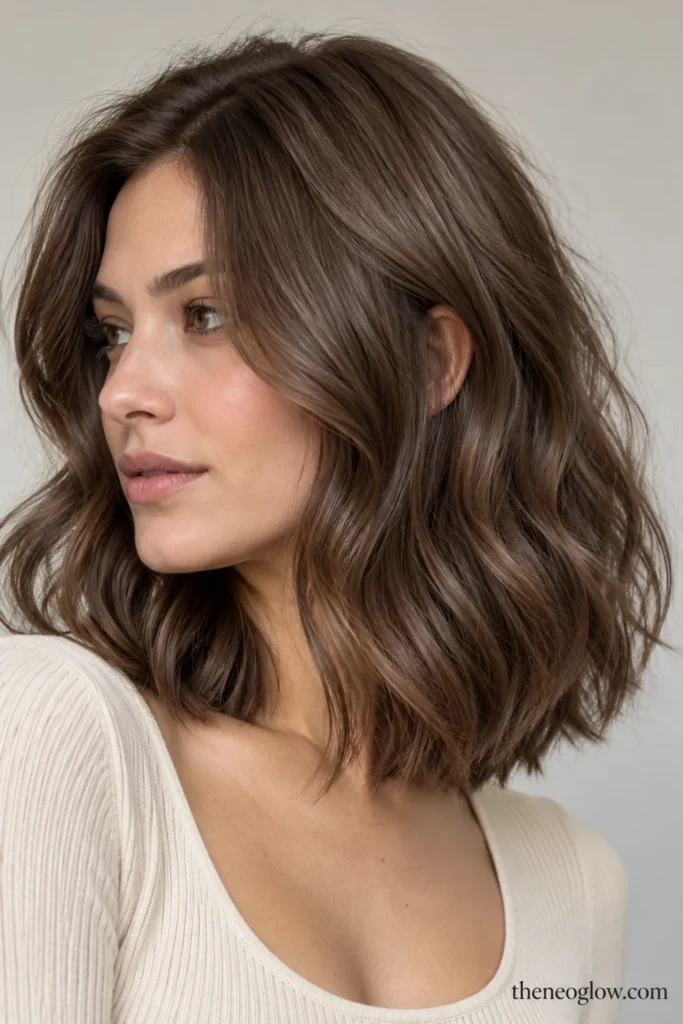
Cocoa sits between warm chocolate and cooler ash brown. It is a useful middle route if golden caramel feels too warm but very cool brunette feels too gray. Ask for a balanced brown with gentle dimension instead of one opaque block of color.
3. Golden Walnut Dimension
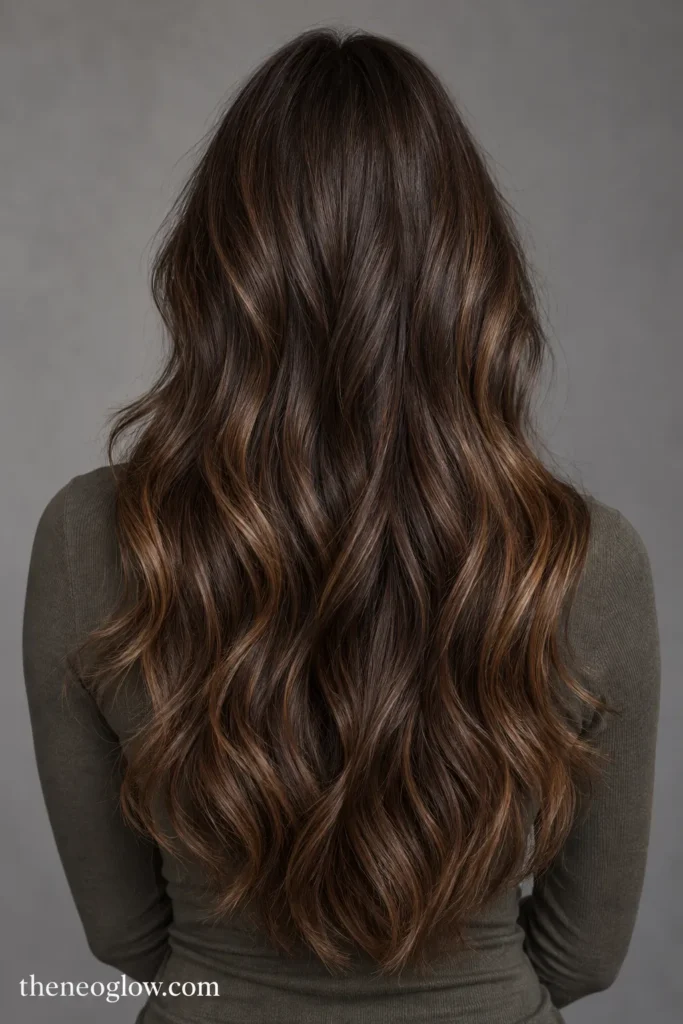
Keep a medium or deep brunette base and add fine walnut-gold ribbons that appear mostly when the hair moves. This gives brown hair more light reflection without turning the overall look blonde. The contrast can stay narrow and blended around the mid-lengths and ends.
4. Fine Caramel Halo Pieces
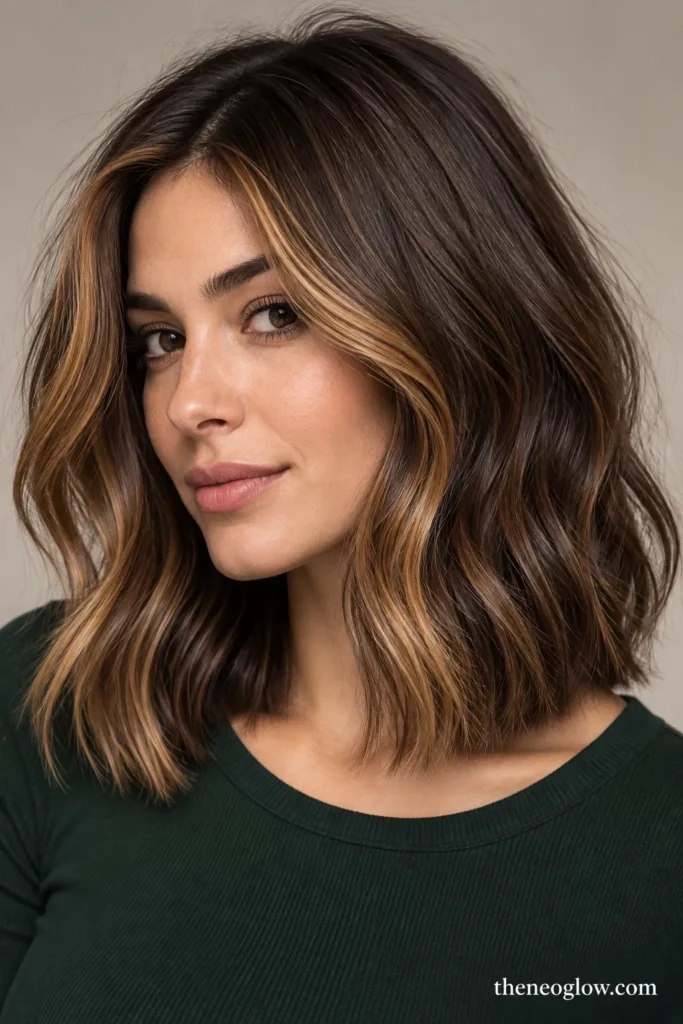
Leave most of the hair brunette and concentrate warmth around the face. A few connected caramel pieces create a more noticeable change than subtle ribbons without requiring the whole head to become lighter. Ask how bright the front can realistically go from your current base.
5. Mushroom Brunette
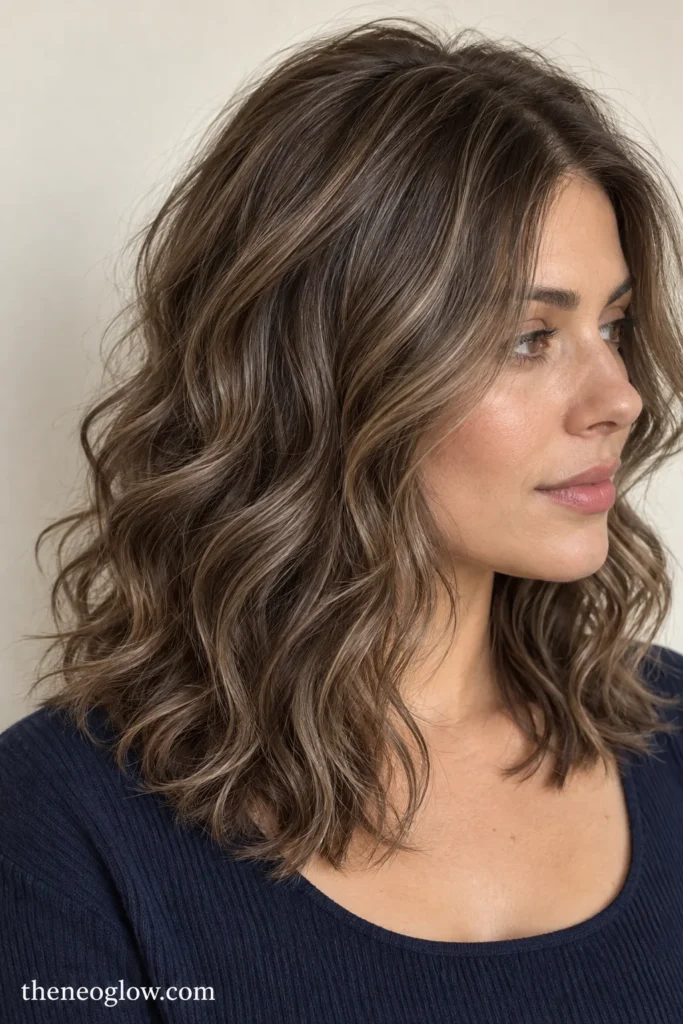
For a quieter cool-neutral route, combine taupe, beige, and muted brown. Mushroom brunette can soften obvious red or gold warmth visually, but it should still retain dimension. A completely gray-brown finish can look flatter than a balanced mix of cool and neutral tones.
Blonde Hair Color Ideas
6. Creamy Beige Blonde
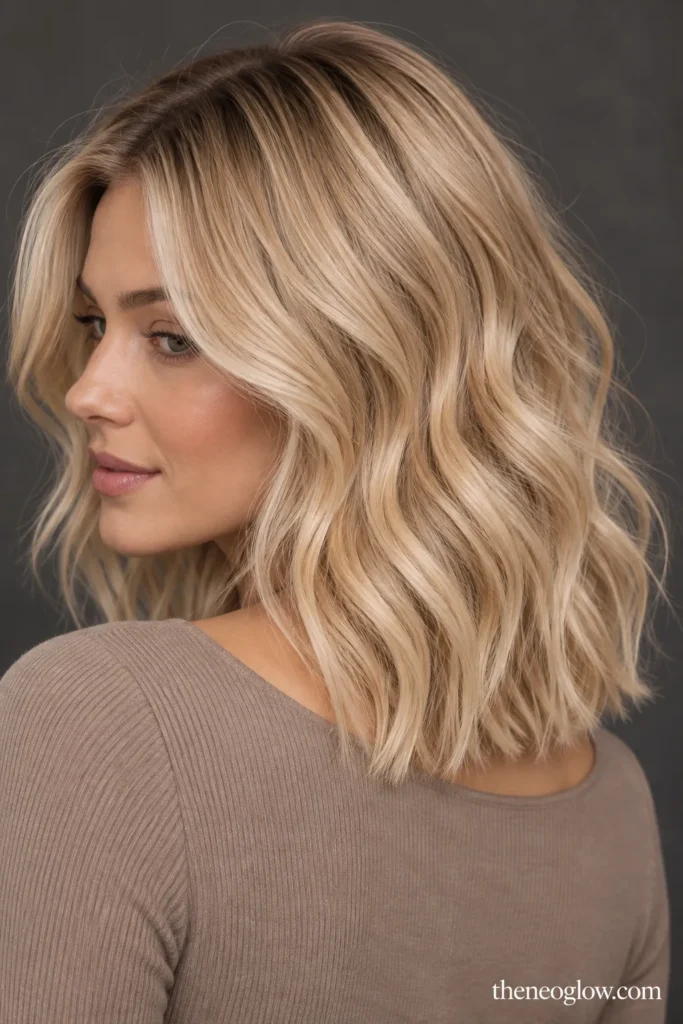
Creamy beige keeps blonde soft and neutral without looking icy. It works as a polished route for someone who wants brightness but not a strong yellow-gold or silver cast. Root depth can be adjusted separately depending on whether you want a seamless or brighter result.
7. Honey Wheat Blonde
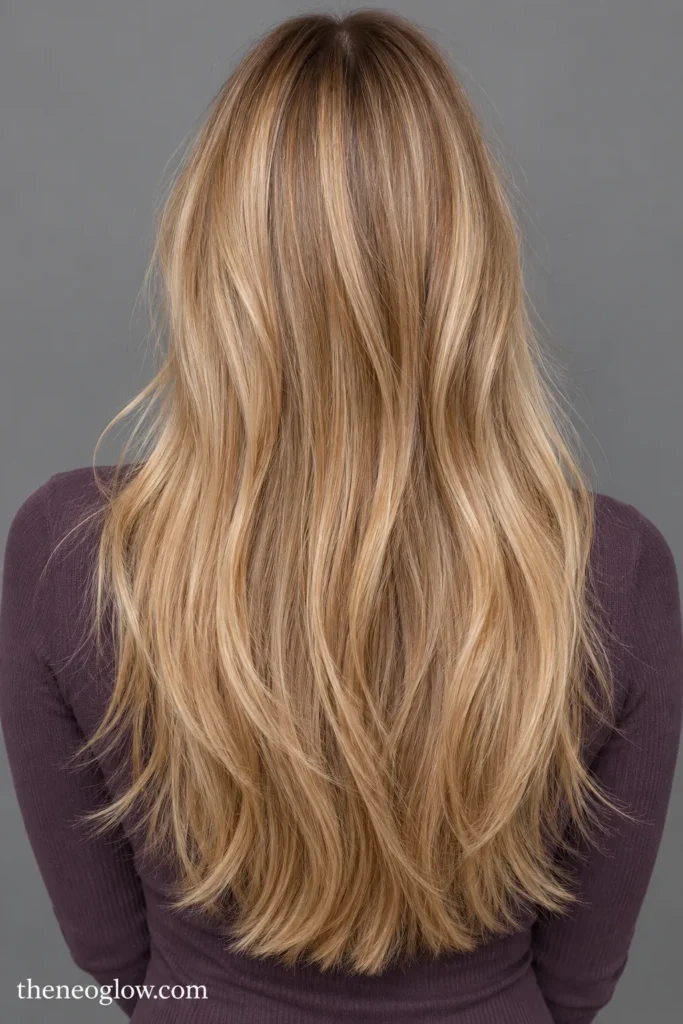
Honey wheat combines muted gold with a slightly deeper, grain-like warmth. It reads warmer than beige blonde but less saturated than a strong golden blonde. Use it when you want a sunny effect that still looks dimensional rather than uniformly yellow.
8. Champagne Blonde With a Soft Root
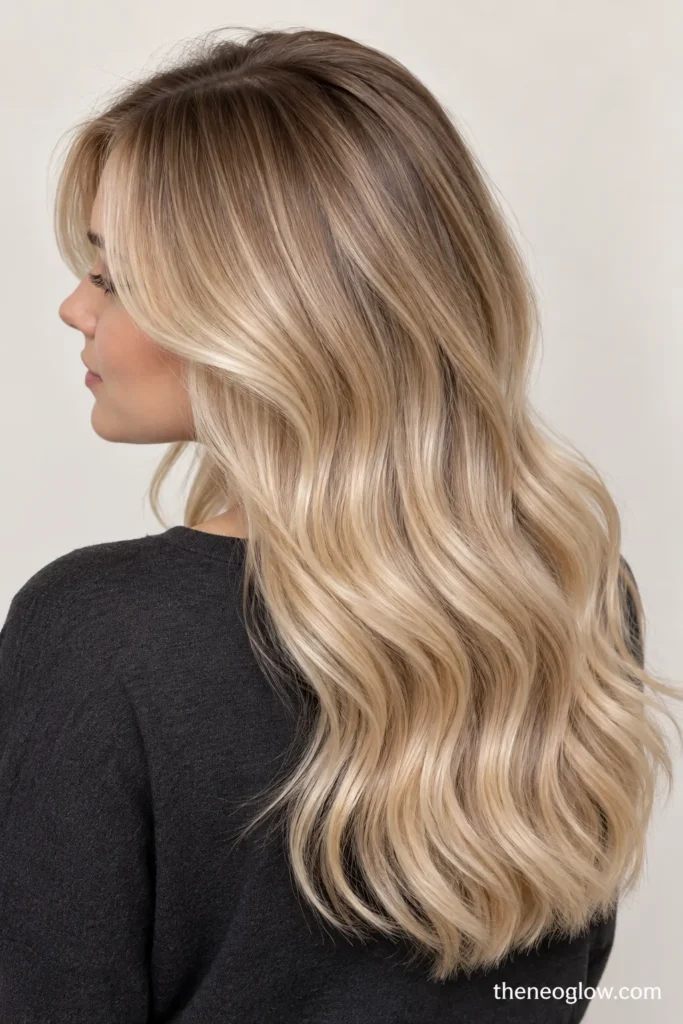
Pair champagne-beige lengths with a slightly deeper root that blends into the mids. The visual payoff is still clearly blonde, but the root transition can make new growth less abrupt than a bright-to-the-scalp result. Keep the blend gradual rather than banded.
9. Dirty Blonde Dimension
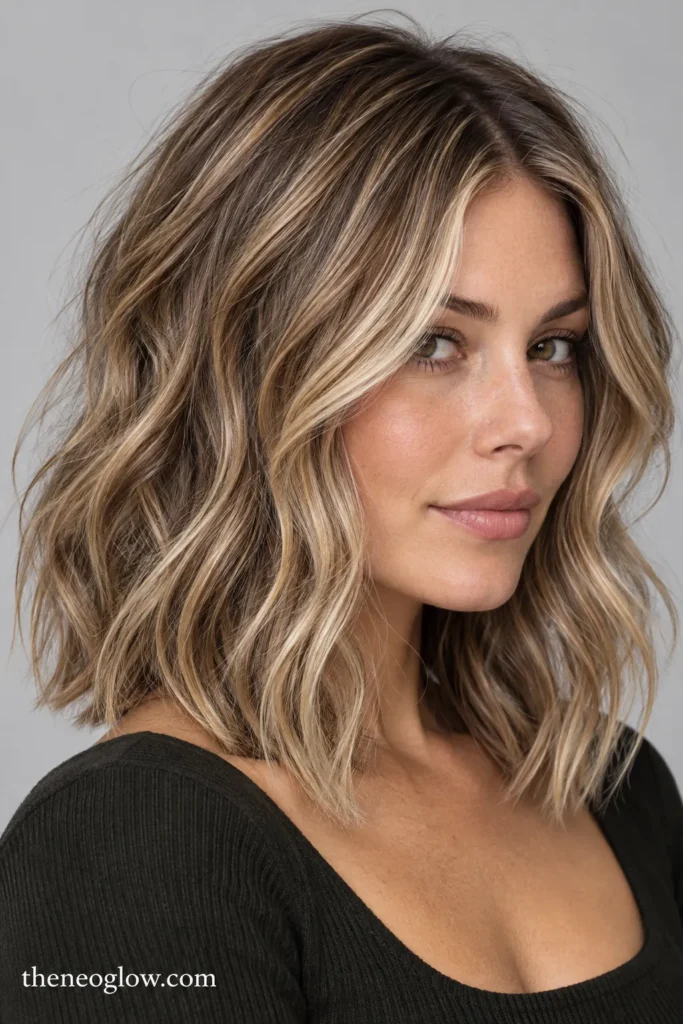
Mix dark-blonde depth with lighter beige or creamy pieces instead of pushing every strand to the same brightness. This route works well if you like a natural-looking blonde with visible lowlights or deeper interior sections and a little more brightness near the face.
10. Pearl Blonde
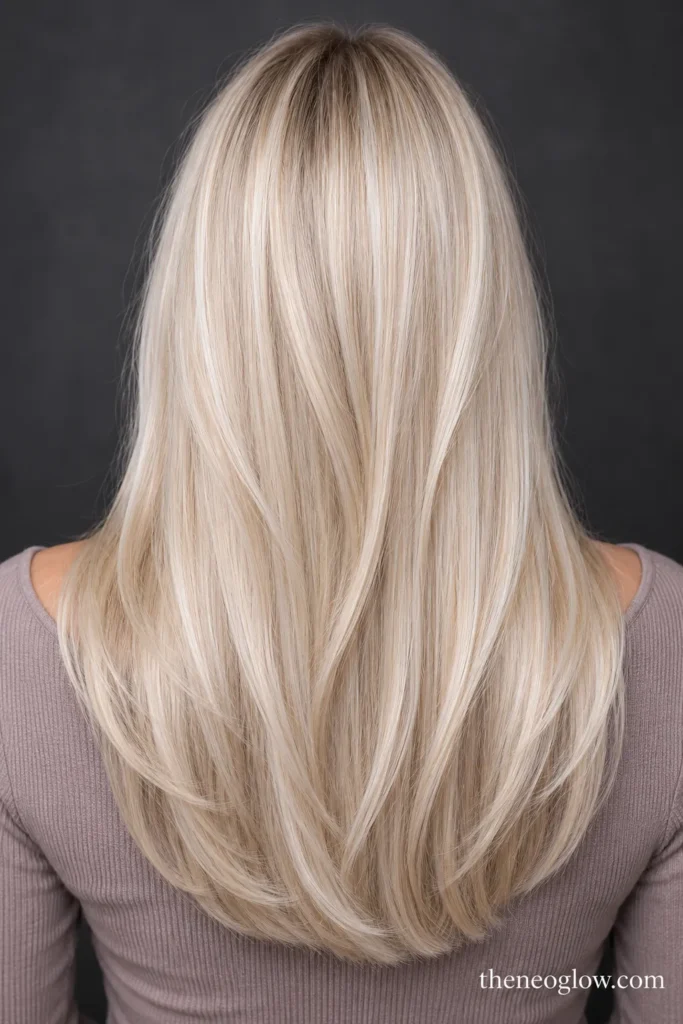
Pearl blonde sits on the cooler, brighter end of the spectrum with a soft reflective finish rather than a stark gray cast. It is a higher-change route for many starting colors, especially darker ones, so discuss the amount of lightening and maintenance before choosing it from a photo alone.
Red, Copper, and Red-Brown Hair Color Ideas
11. Soft Cinnamon Copper
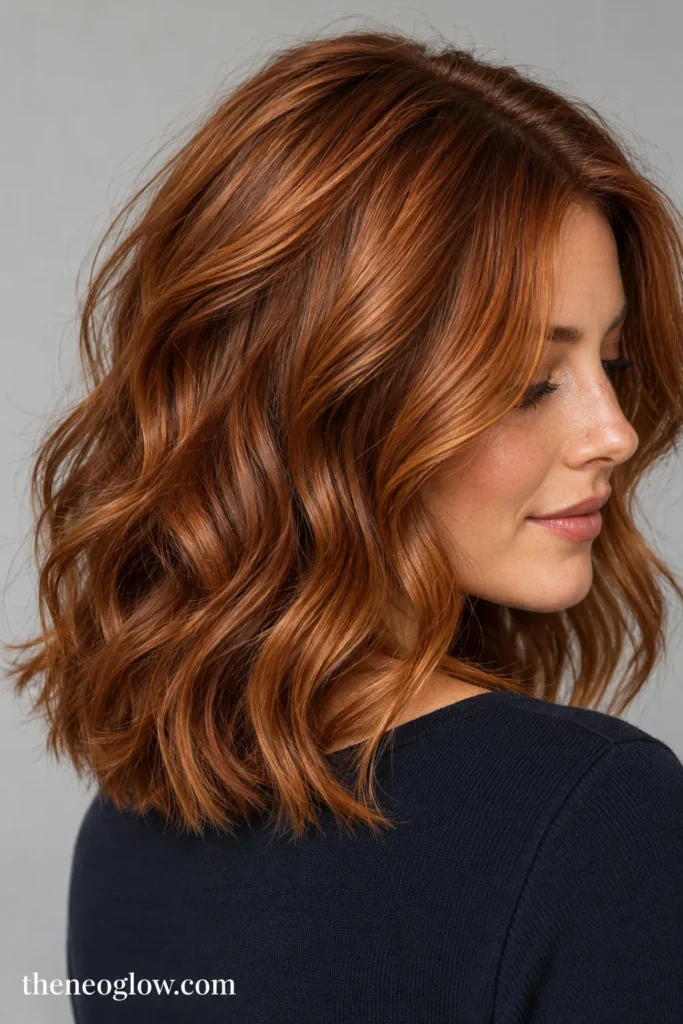
Cinnamon copper blends orange-copper warmth with enough brown or red depth to keep it from looking neon. It can be worn as a full shade or as a tonal shift over lighter brown hair. The balance should feel warm and spicy rather than fluorescent.
12. Brunette-First Auburn
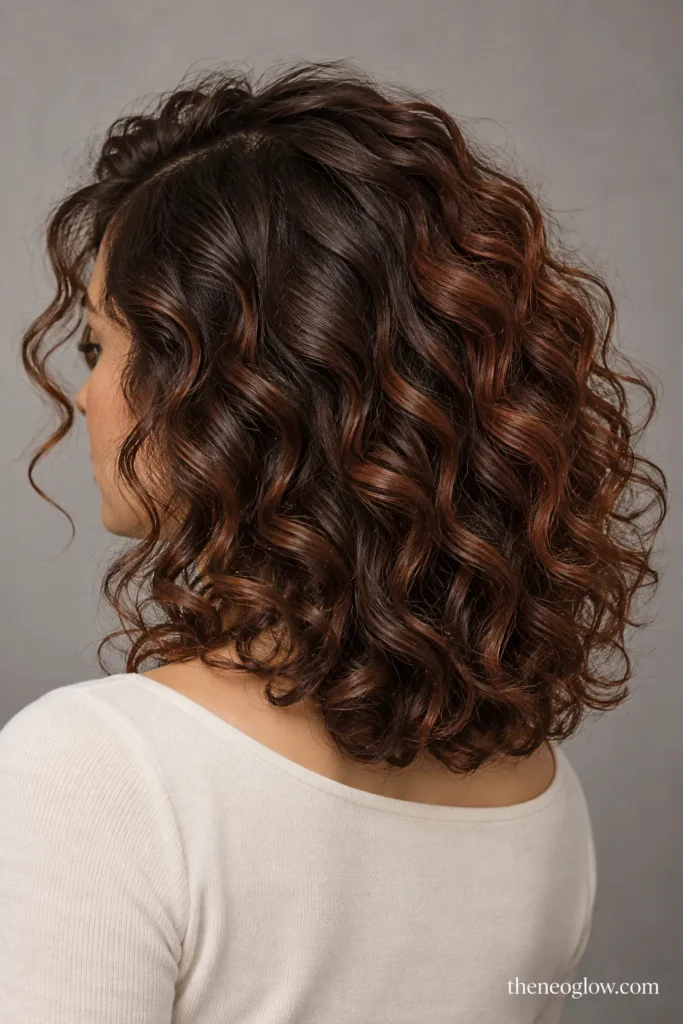
Auburn keeps brunette depth at the center and adds red-copper reflection through the surface. It is a practical bridge between brown and obvious red. Use reference photos that show how much red you want, because the word “auburn” covers a wide range of depths.
13. Strawberry Copper
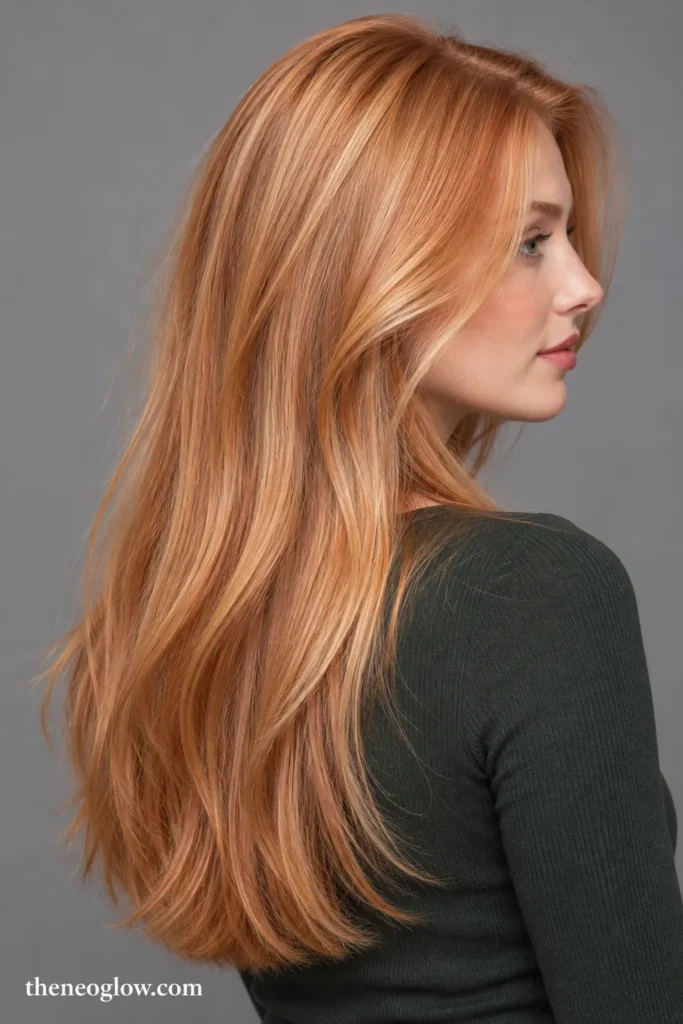
Keep the overall result light and mix blonde brightness with peachy copper warmth. Strawberry copper is softer than classic red and brighter than auburn. It can be especially useful when you want to move from blonde toward the red family without immediately choosing a deeper shade.
14. Cherry Cola Brunette
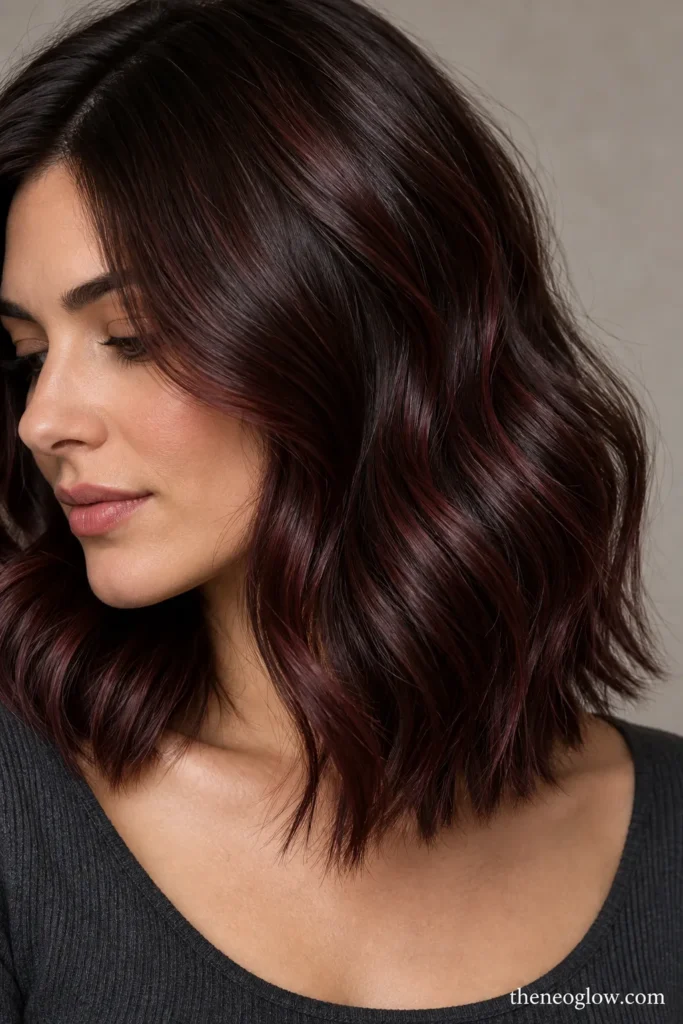
Start with deep brunette and add a cool cherry or wine-red cast. Indoors, the hair can still read mostly brown; stronger light reveals more red. This creates a dramatic color shift without requiring the overall depth to become much lighter.
15. Deep Mahogany Brown
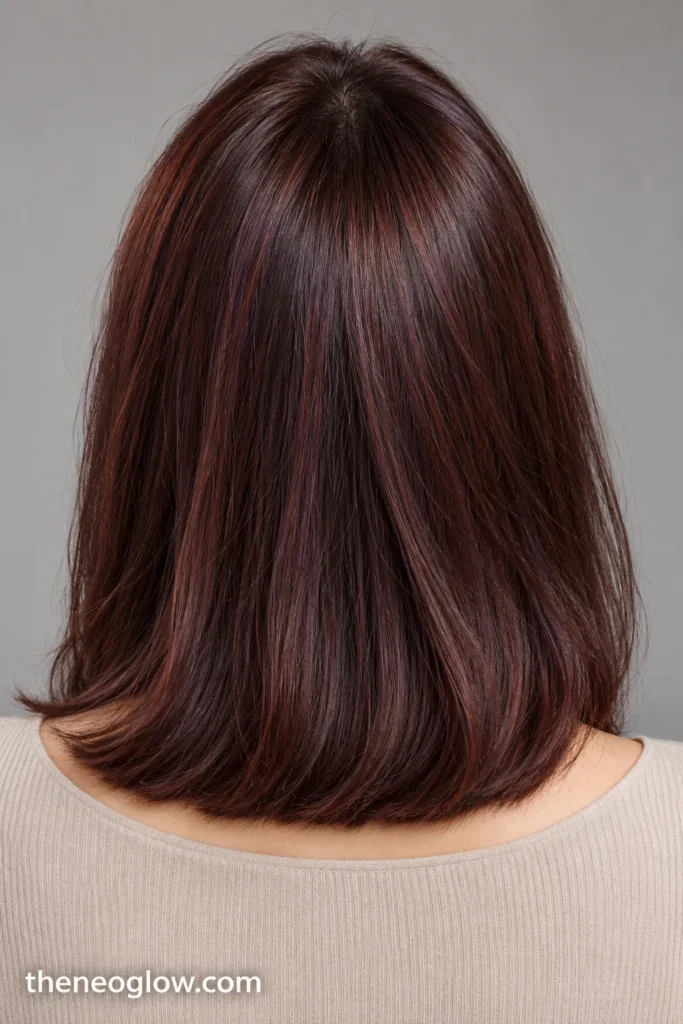
Mahogany combines brunette depth with deeper red and subtle violet-brown reflection. It is richer and darker than copper, but warmer than a plum-heavy brunette. Keep the red-brown balance clear in your reference so the result does not drift too burgundy or too chocolate.
Highlights, Lowlights, and Balayage Ideas
16. Soft Brunette Balayage
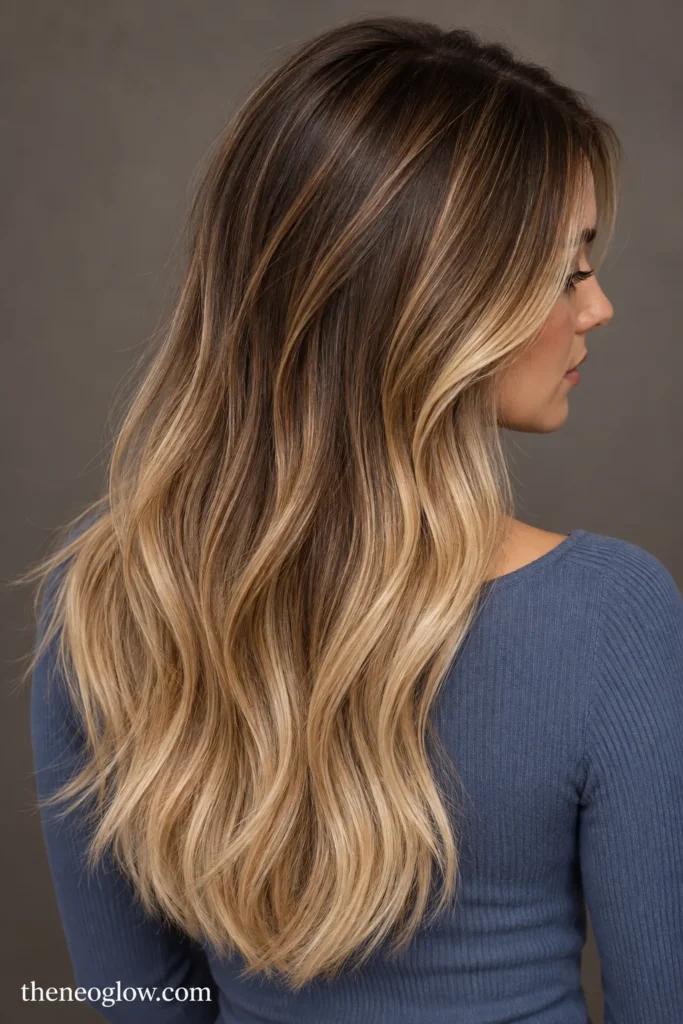
Keep the root and interior brunette, then place lighter brown or caramel brightness through selected mid-lengths and ends. The goal is visible movement without losing the brunette identity. This is the broad balayage route to consider before choosing a more specific color family.
17. Bronde Balayage
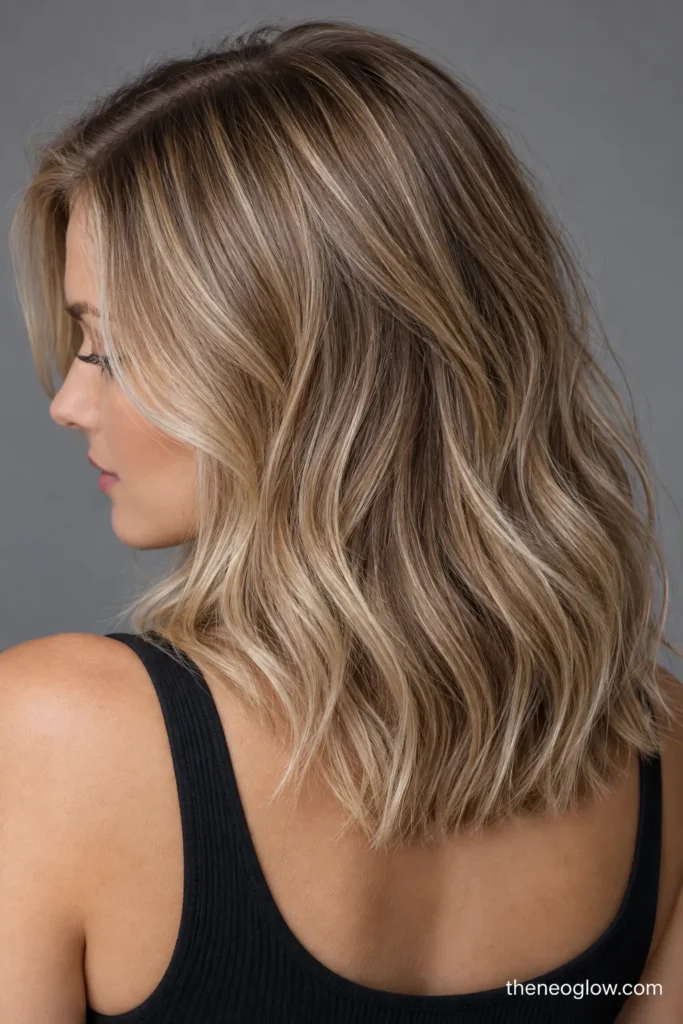
Blend brunette depth with enough beige or golden blonde through the lengths that the finished result sits between brown and blonde. A bronde balayage can look very different depending on how much root depth remains and where the brightest pieces begin.
18. Fine Babylight Blonde
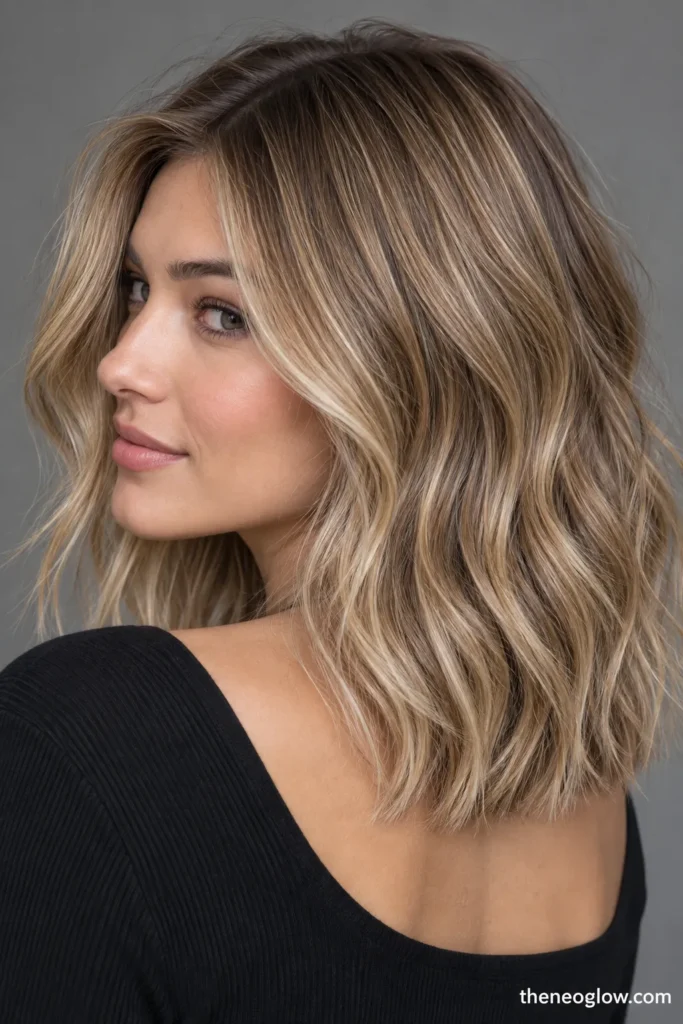
Use very fine lighter sections for a diffused blonde effect rather than broad, obvious streaks. Babylights can make the surface look brighter while keeping many strands close to the base color. They are useful when you want detail and softness rather than graphic contrast.
19. Ribbon Highlights
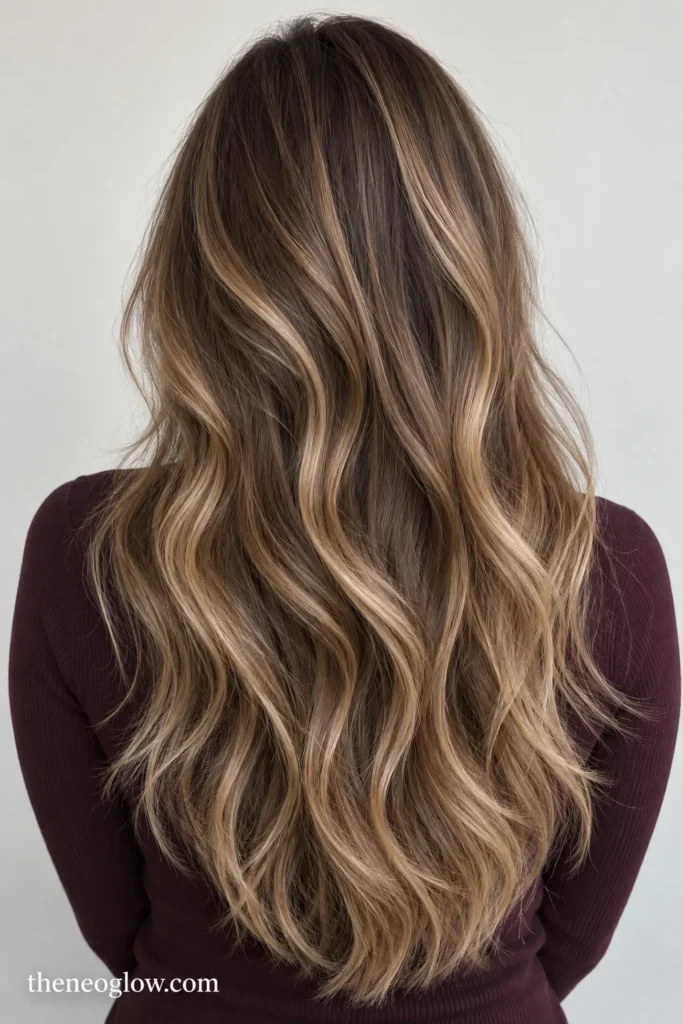
Choose wider, clearly visible highlight sections that follow the haircut and hair movement. Ribbon highlights create more separation than babylights, so they read especially well through long layers, waves, curls, or a blowout. Keep the placement intentional instead of evenly striping the whole head.
20. Lowlights Through Bright Blonde
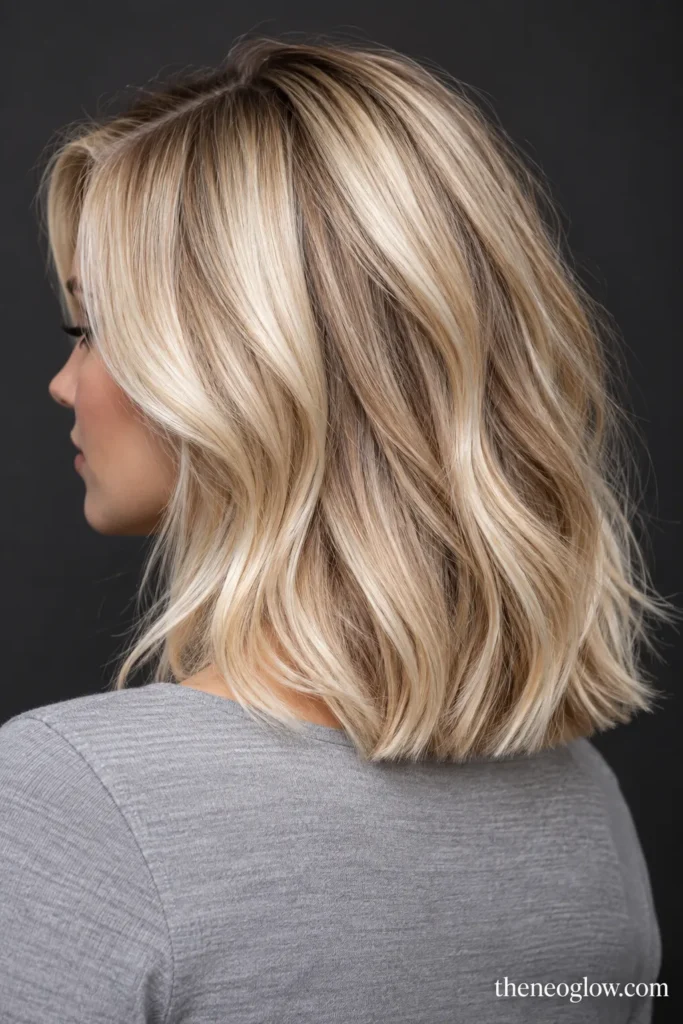
Add selected deeper pieces through a blonde base to restore visual depth and separation. Lowlights can make very bright hair look more dimensional without requiring the entire head to go darker. Decide whether the deeper pieces should be neutral, beige, or closer to your natural root.
21. Root Melt With Brighter Ends
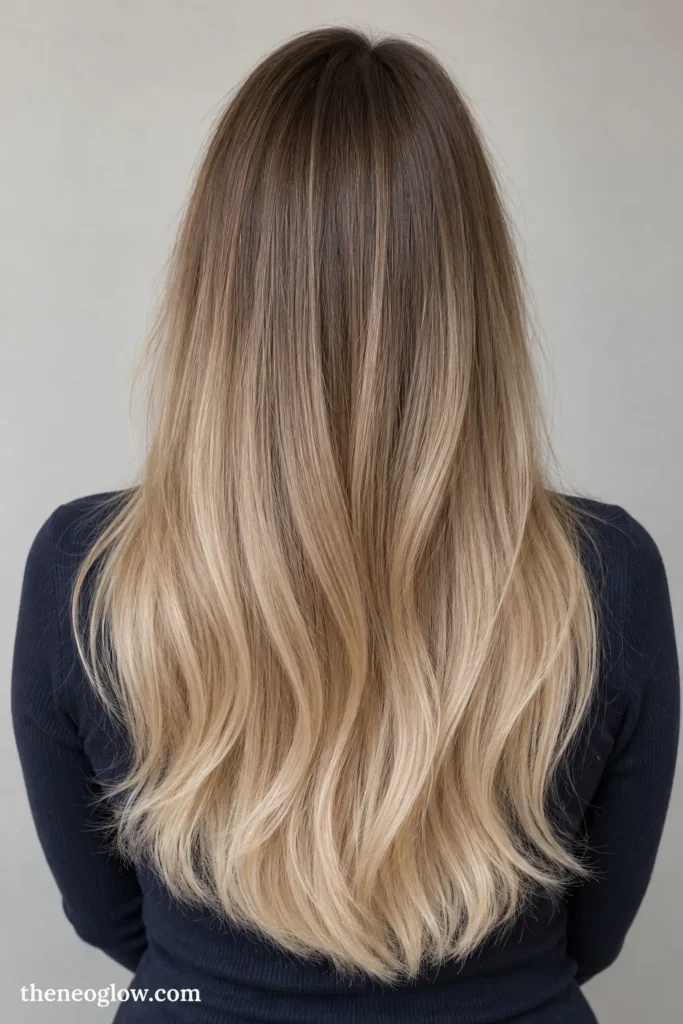
Keep the deepest color near the root, then blend it gradually into lighter mids and ends. A root melt is useful when you want brightness without a hard line at the top. The transition should look connected, with no obvious band between the root and lighter sections.
22. Fine Face-Framing Highlights
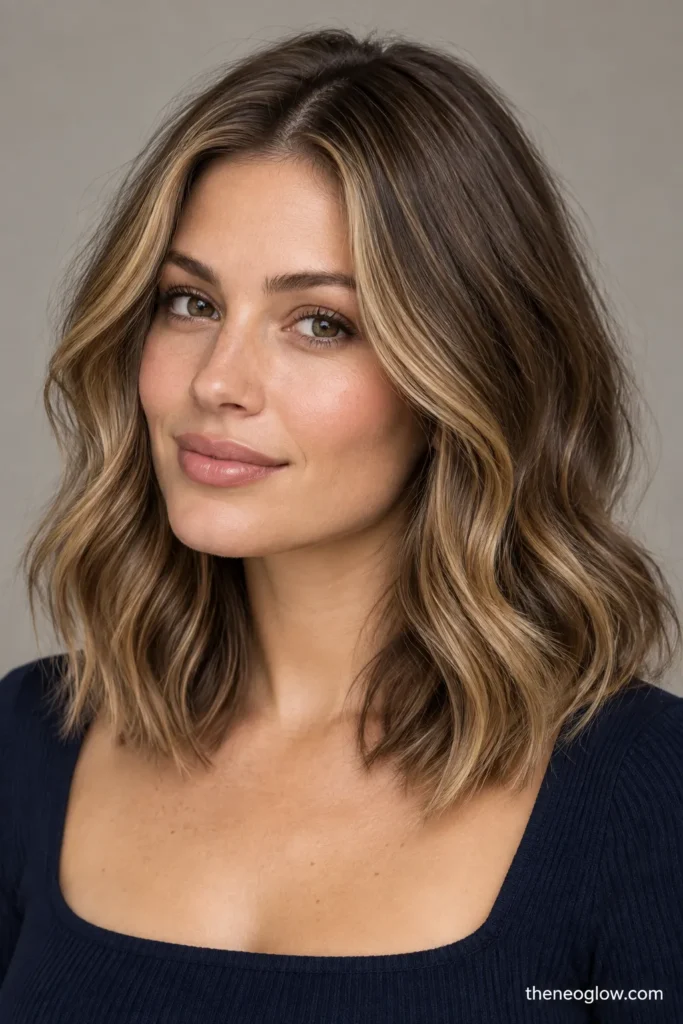
Brighten the front hairline with narrow pieces that connect naturally into the rest of the color. This gives the face more light without creating two isolated high-contrast chunks. Keep the scale proportional to your haircut, density, and overall level of brightness.
High-Impact and Alternative Color Routes
23. Monochrome Color Drench
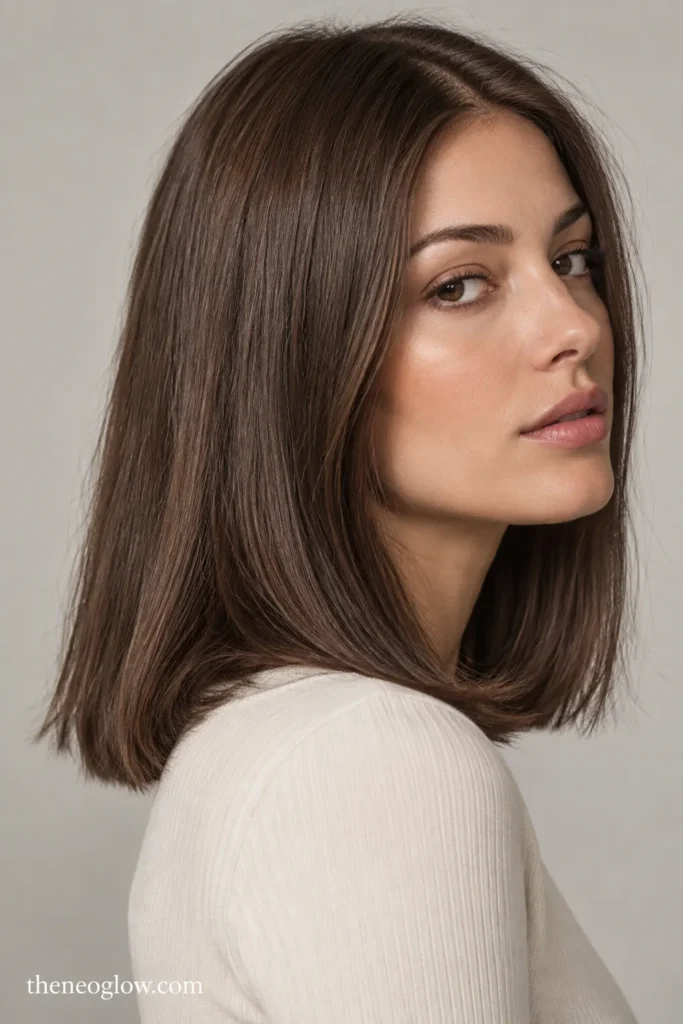
Choose one dominant shade family—brunette, blonde, red, or another color—and keep variation deliberately subtle. The effect is more uniform than highlighted hair, so shine, tone, and evenness become especially visible. This route suits readers who prefer a strong single-color identity.
24. Inky Black With Soft Dimension
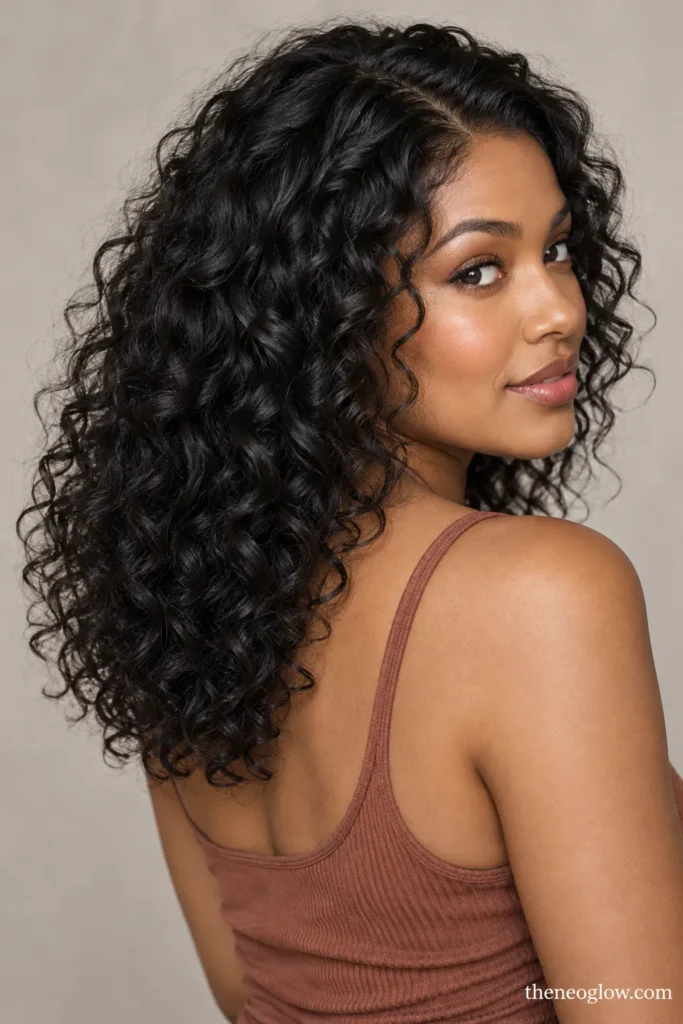
Go very deep while preserving enough reflective variation that the color does not look visually flat. Inky black creates strong contrast on many starting bases and can make future lightening more complex, so treat it as a commitment rather than a temporary darkening shortcut.
25. Sheer Rose Gold
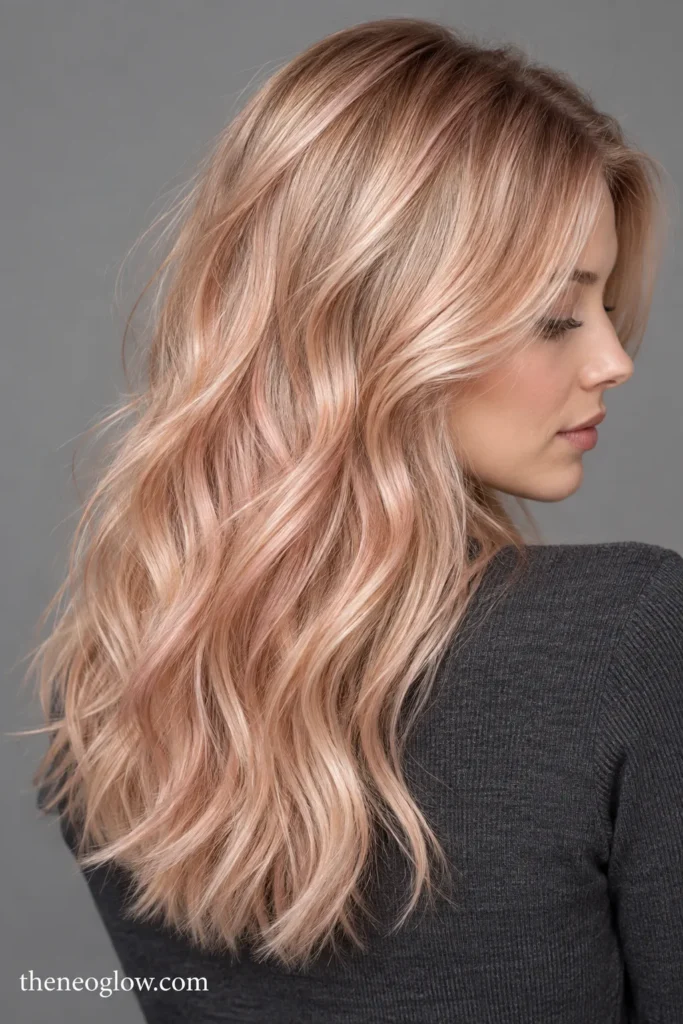
For a fashion-color option that still feels soft, layer pink-peach warmth over a sufficiently light base. Keep the saturation translucent rather than neon. This route is most useful as an inspiration direction; the exact result depends heavily on the starting color and how evenly light the base is.
How to Narrow 25 Ideas Down to One
First, circle the ideas that let you keep the part of your current color you already like. If you enjoy being brunette, compare espresso, cocoa, walnut, caramel face framing, red-brown, and brunette balayage before looking at full blonde. If you love brightness, compare beige, honey, champagne, dirty blonde, pearl, and bronde routes.
Next, decide where you want contrast: at the face, through the ends, evenly through the whole head, or barely at all. Placement often changes the finished look as much as the shade name.
If you specifically want a seasonal warm-up, NeoGlow’s 24 Fall Hair Colors 2026 guide goes deeper into brunette, blonde, copper, and burgundy routes for fall. If you are deciding how to wear your hair after choosing a color, the broader 27 Hairstyles for Women guide compares short, medium, and long styling directions across different textures.
Color Safety Matters More Than the Shade Name
For at-home hair dye, follow the directions and warnings for the exact product you are using. The FDA hair-dye safety guidance advises doing the instructed skin patch test each time, wearing gloves, rinsing the scalp well, and never mixing different hair-dye products. A skin allergy test and a strand test answer different questions, so one should not be treated as a substitute for the other.
Major lightening is also a different decision from simply shifting tone. The American Academy of Dermatology coloring guidance notes that lightening more than three shades generally requires stronger peroxide exposure and can increase hair damage. If your goal involves substantial lightening, corrective color, or a big change over previously colored hair, a professional consultation is the more realistic route.
If you develop burning, swelling, a rash, or other signs of a reaction during or after coloring, stop using the product and seek appropriate medical guidance rather than trying to “push through” for the finished shade.
What to Bring to a Color Consultation
Save one or two reference images that match the depth, warmth, placement, and root contrast you actually want. Then describe the structure: “medium brunette with narrow caramel pieces around the face,” “dark blonde with beige dimension and a soft root,” or “deep brown with a subtle cherry-red reflection.”
Also mention permanent color, bleach, highlights, relaxers, perms, or other chemical services already on the hair. A useful color plan starts with what is currently on your head, not just what is in the reference photo.
The best hair color idea is the one you can describe clearly, maintain realistically, and adapt to your starting point. Save the exact shade-and-placement wording that fits you, then use it as the beginning of the color conversation rather than a promise of an identical result.