Skin care gets confusing when every new product seems essential. A useful routine is much simpler: give each product a clear job, start with the few steps your skin can tolerate consistently, and only add extras when they solve a real problem. For most beginners, the foundation is cleansing, moisturizing, and protecting skin from the sun. From there, you can adjust textures and optional treatments to fit how your skin feels, your climate, and your goals. This guide explains that framework without turning your routine into a product catalog or asking you to follow every trend.
Think of skin care as a few essential jobs
Instead of organizing your routine around whatever is popular this week, organize it around what each product is supposed to do.
| Routine job | What it means | Usually essential? | What to look for |
|---|---|---|---|
| Cleanse | Remove dirt, excess oil, makeup, sunscreen, and daily buildup without leaving skin uncomfortably stripped | Yes | A cleanser that leaves skin feeling clean and comfortable |
| Moisturize | Help skin hold onto water and feel softer and more comfortable | Yes | A texture that suits your skin and climate |
| Protect | Reduce UV exposure with sunscreen plus other sun-protective habits | Yes during daytime | A sunscreen you can use correctly and consistently |
| Target | Address one specific cosmetic concern with an optional treatment product | No | A clearly defined purpose, sensible directions, and good tolerance |
The American Academy of Dermatology also uses a simple cleansing, moisturizing, and protecting framework in its AAD’s skin care on a budget guidance. That is a helpful reminder that a basic routine does not have to be expensive or crowded with products.
This “job” approach also makes shopping easier. If a new essence, serum, mist, oil, mask, or toner cannot answer the question “What useful job does this add for me?”, it may not need a place in your routine.
Start with what your skin actually feels like
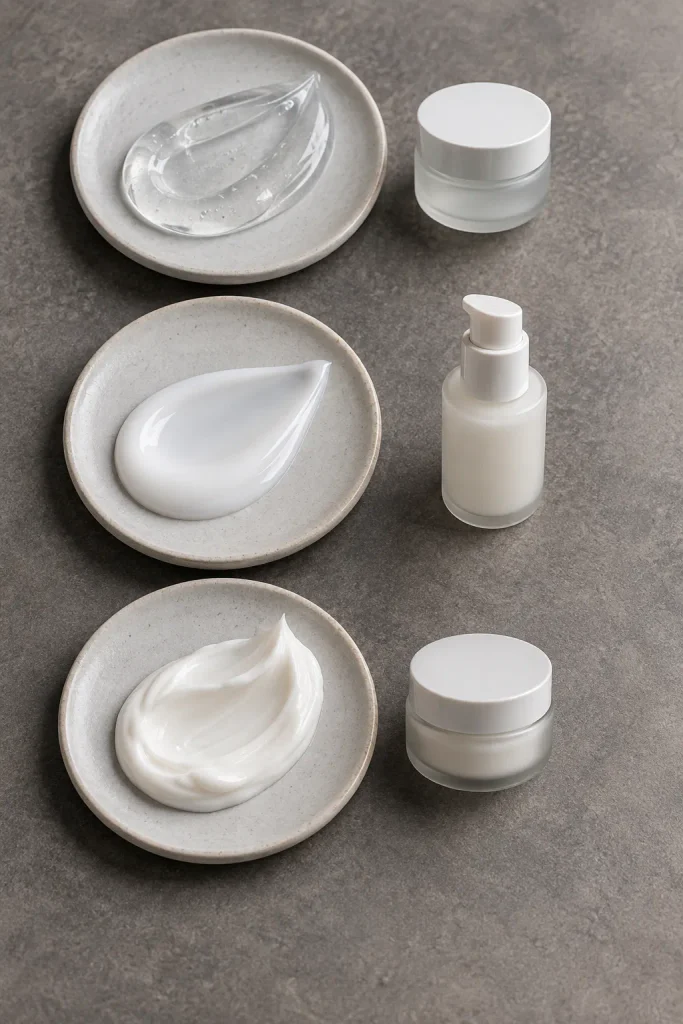
Skin type labels can be useful, but they are starting points rather than instructions carved in stone. Pay attention to how your skin behaves after cleansing, during the day, and after using products.
| What you notice | A practical priority | Product direction to consider |
|---|---|---|
| Skin often feels dry, rough, or tight | Comfort and moisture retention | Gentler cleansing and a more cushioning moisturizer |
| Skin becomes shiny or greasy easily | Comfortable cleansing without over-stripping | Lighter moisturizer textures and products that do not feel overly occlusive |
| Some areas feel oily while others feel dry | Flexible texture by area | Lighter layers overall, with richer moisturizer only where needed |
| Products often sting or your skin reacts easily | Simplicity and tolerance | Fewer products, gentle formulas, and slower changes |
These observations are not a diagnosis. Persistent burning, swelling, painful cracking, a spreading rash, infection-like changes, or a concern you cannot identify deserves professional evaluation rather than more experimenting at home.
If your main problem is that your face feels tight or looks dull despite using moisturizer, the site’s hydration tips for a fresher, dewier look guide goes deeper into hydration-focused choices without making hydration the job of this broad pillar.
Build a minimum routine before you customize it
A minimum routine should feel repeatable on an ordinary weekday. You do not need a long morning and evening checklist to understand the architecture.
During the day, your routine needs to leave skin comfortable and include sun protection. In the evening, the priority is removing the day’s buildup as needed and leaving skin moisturized. Some people enjoy toners, essences, serums, eye creams, facial oils, or masks, but those are additions rather than proof that a routine is complete.
This is where restraint helps. Starting several new products at once makes it harder to tell which one is useful and which one may be causing irritation. Add complexity only when the basic routine already feels comfortable.
You can also keep cost under control by paying for the job you need, not the prestige of the packaging. A higher price does not automatically mean a formula will suit your skin better. Consistency, tolerability, and correct use matter more than building the largest shelf.
Sunscreen is the protection job
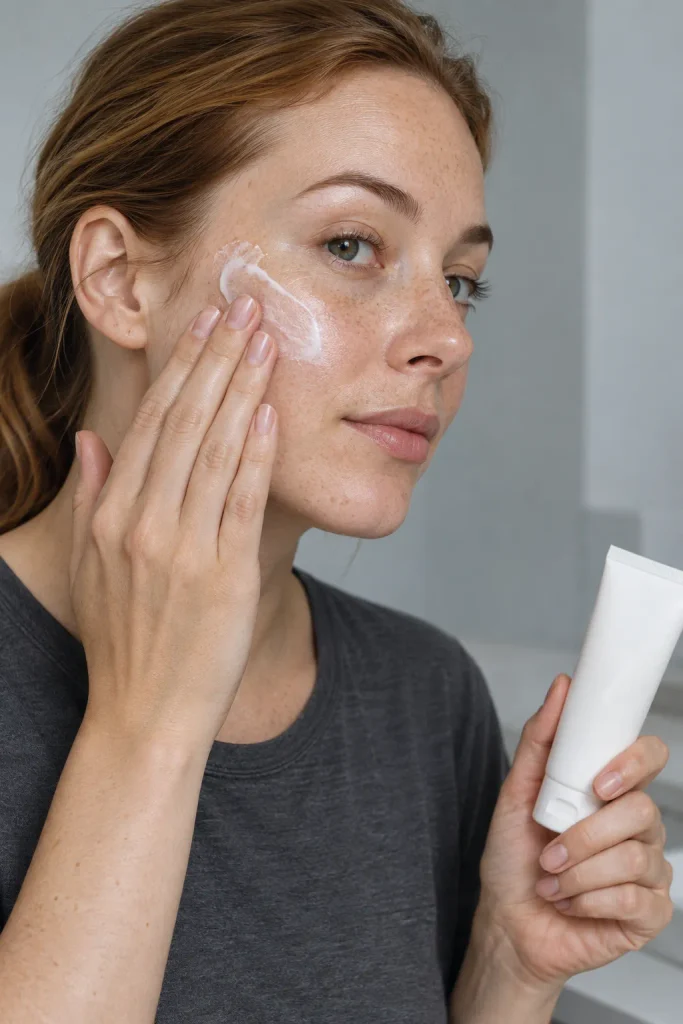
Sun protection belongs in the foundation because it serves a different purpose from moisturizer or treatment products. For sunscreen selection, the American Academy of Dermatology recommends broad-spectrum protection, SPF 30 or higher, and water resistance when appropriate.
The label matters as much as the category name. In the United States, sunscreens are regulated as nonprescription drugs, and the FDA’s consumer sunscreen guidance explains broad-spectrum labeling, SPF, expiration, and other consumer safety information. Follow the directions on the sunscreen you actually use rather than assuming every formula has identical instructions.
Sunscreen also works alongside other sun-protective measures, such as shade and protective clothing. This pillar does not need to become a complete sunscreen tutorial; the important routine decision is that protection is a core job, not a trendy optional add-on.
Add one optional “target” job only when you need it
Once your basic routine is comfortable, you may want to address a specific cosmetic concern. That is where a targeted serum, exfoliant, retinoid, brightening product, or other treatment category may fit.
Start by defining the job in one sentence. “I want an extra product for everything” is not a useful brief. “I want to address rough-looking texture” or “I want a product for the appearance of uneven tone” gives you a clearer reason to research an ingredient or product category.
Then check three things:
- Purpose: Does the product actually match the concern you are trying to address?
- Directions: Can you follow the manufacturer’s use instructions consistently?
- Tolerance: Does your skin remain comfortable, or are you adding more irritation than value?
Avoid stacking several strong or unfamiliar treatments just because they are popular together online. If a product causes significant burning, swelling, blistering, or another concerning reaction, stop using it and seek appropriate medical advice when needed.
If your routine already feels irritated or overloaded, the site’s guide to skin barrier mistakes that can make skin feel dry or sensitive is a better next read than adding another active product.
Use a simple filter before following a skin care trend
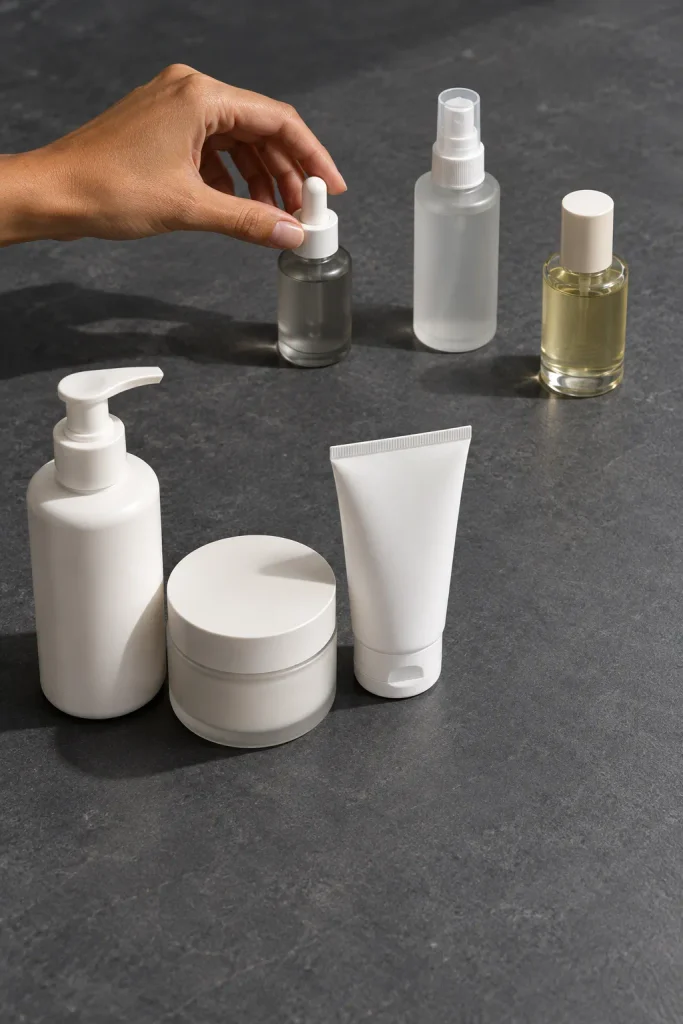
A trend can be fun without becoming a requirement. Before buying or copying a routine you saw on Pinterest, TikTok, or Instagram, ask:
- What job would this add? Cleanse, moisturize, protect, or target?
- Do I already own something that does that job? Duplication often adds cost and complexity without adding much value.
- Does the advice fit my skin and my current products? A routine that works for someone else may not fit your sensitivity, climate, or preferences.
- Is the promise realistic? Be skeptical of “detox,” “poreless,” “instant repair,” or guaranteed transformation claims.
- Can I use it consistently and correctly? A simple product you tolerate and use as directed is more practical than a complicated routine you abandon.
This filter is especially useful for “skin care aesthetic” content. Beautiful packaging, shelf styling, and spa-like visuals can inspire you, but they are not evidence that a routine is safer, more effective, or better matched to your skin.
Adapt the framework instead of rebuilding your whole routine
Your skin care can change without starting over every season.
In hot, humid weather, you may prefer lighter textures while keeping the same core jobs. The site’s lightweight summer skin care routine for humid days guide covers that seasonal decision in more depth. In colder or drier conditions, you may find that a richer moisturizer feels more comfortable. Travel, indoor heating, air conditioning, exercise, makeup, and time spent outdoors can also change which textures feel practical.
The key is to adjust one variable at a time. If a moisturizer suddenly feels too heavy, you may only need a lighter moisturizer—not a new cleanser, toner, serum, mask, and treatment all at once.
The same applies to temporary changes in how your skin feels. A simpler routine can make troubleshooting easier because there are fewer variables to assess.
What to do when your routine stops feeling comfortable
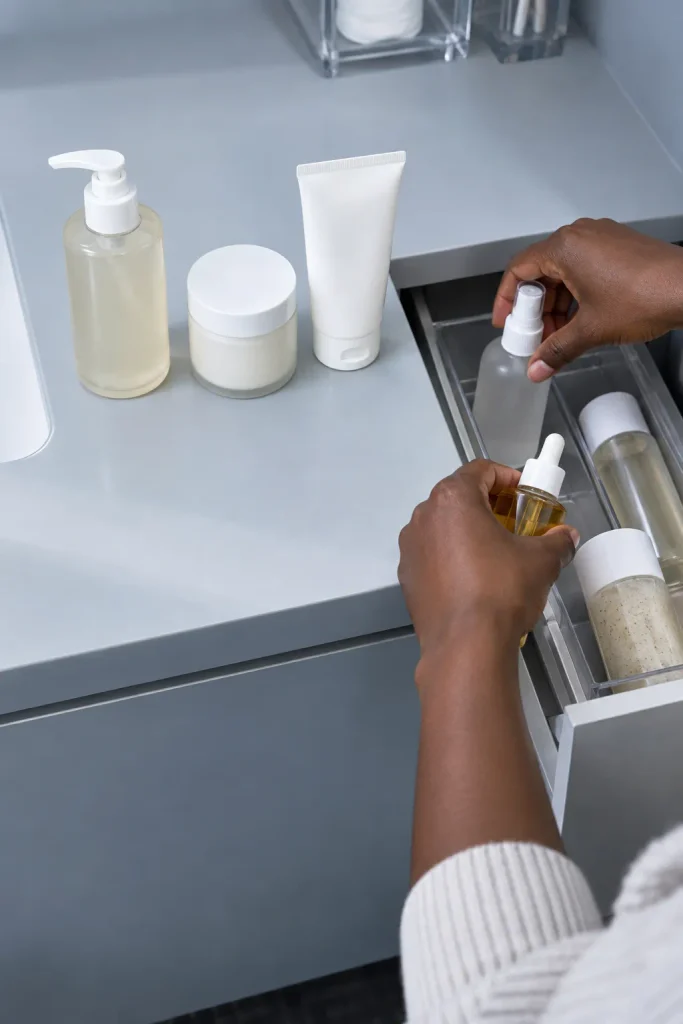
When products that used to feel fine begin to sting, or when your skin becomes unusually tight, flaky, or reactive, resist the urge to “fix” everything with more exfoliation or more actives.
First, review the basics:
- Did you recently add several products?
- Are you cleansing more often than usual?
- Did you start a stronger treatment or exfoliant?
- Has your weather, travel, or sun exposure changed?
- Are you using products differently from their label directions?
If a new cosmetic product appears to be the problem, stop using it and return to products you already know you tolerate. Do not try to push through significant pain, burning, swelling, blistering, or intense itching.
Routine troubleshooting has limits. Ongoing or severe symptoms, rapidly changing skin, signs that look infected, scarring, or a concern that is difficult to identify should be assessed by a qualified health professional. A beauty article can help you simplify your routine, but it cannot diagnose the cause.
What a good skin care routine does not require
A practical routine does not require:
- ten or more steps
- premium prices
- a matching product line
- every trending active ingredient
- a “clean,” “natural,” or botanical label
- perfect, poreless, texture-free skin
- a dramatic before-and-after result
Choose products by the job they need to do, their directions, and how well you tolerate them rather than relying on marketing labels alone.
Likewise, normal texture, visible pores, oil, dryness, fine lines, and pigmentation are not personal failures. Skin care can support comfort, protection, and cosmetic goals without turning normal skin into a problem that constantly needs fixing.
A simple decision framework to keep
When you are unsure what to buy or change, work through this order:
1. Check the foundation.
Do you have a cleansing approach that feels comfortable, a moisturizer that suits you, and daytime sun protection?
2. Identify one real gap.
Is there a specific concern or practical problem your current routine does not address?
3. Change one thing.
Choose the smallest adjustment that answers that gap instead of rebuilding everything.
4. Follow the product’s directions.
Especially with sunscreen and treatment products, the label should guide use.
5. Reassess comfort before adding more.
If your skin is uncomfortable, simplify rather than stacking additional products.
That framework is flexible enough for a beginner, but it also gives you a way to evaluate more advanced routines later.
Keep your routine clear, not crowded
The best starting point for skin care is not a perfect list of products. It is a clear structure: cleanse as needed, moisturize for comfort, protect your skin from the sun, and add targeted products only when they have a defined purpose.
Start with the core jobs and choose textures that fit your skin and daily life. If your routine is working, you do not need to change it simply because a new trend appears. When you do want to go deeper, move into a specialist guide for the concern, technique, or season you actually need next.